
Injuries
-
 Smart textiles and patches are the near future of home health monitoring. The latest in this burgeoning field of medical therapies is one that impressively keeps an eye on your muscles in real time, helping with both injury recovery and prevention.
 -
 Researchers at MIT have developed a handheld robot that can help minimally trained responders to control severe internal bleeding in victims of traumatic injury, by helping them insert a needle and catheter into a major blood vessel.
 -
 It’s hard to get medical adhesives to stick when blood is making everything wet. Now, MIT researchers have developed a new surgical glue that can halt bleeding within 30 seconds, inspired by the super-strong underwater adhesive used by barnacles.
 -
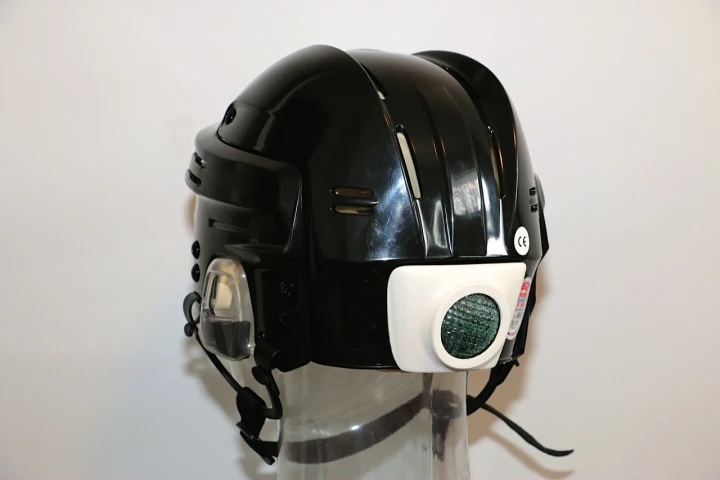 According to research conducted by Canadian materials engineering technologist Albert Beyer, about 68 percent of hockey, skiing and snowboarding-related concussions are caused by impacts to the back of the head. With that in mind, Beyer created The Goose Egg.
 -
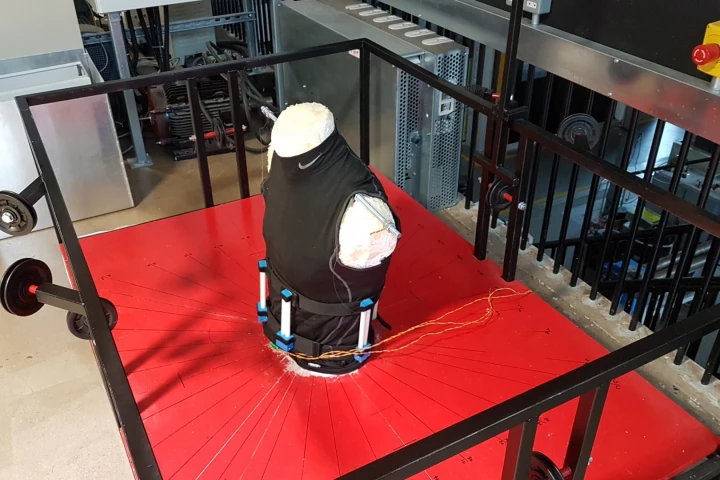 If you were designing a new back brace, trying it out on people could be risky – what if it was flawed, and ended up hurting the test subjects? It was with this in mind that scientists at Britain's University of Lancaster have created what is reportedly the world's first human torso simulator.
 -
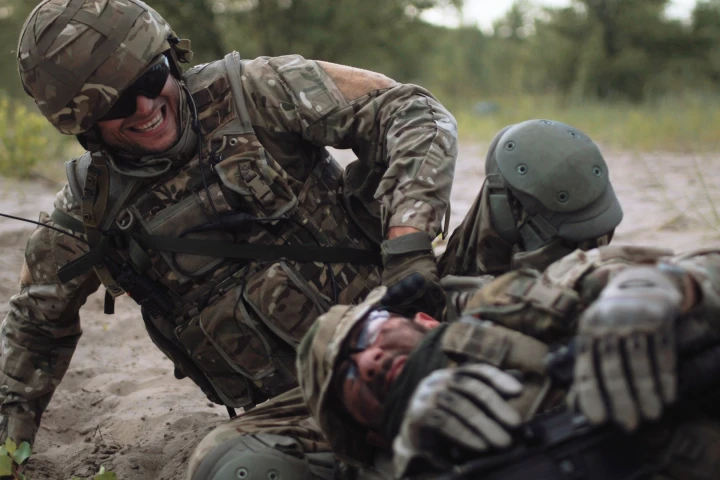 DARPA is kicking off a new research program aiming to explore how molecular biology could be used to slow the speed of living systems, thereby extending the window for treatment after a traumatic injury and increasing the wounded's chances of survival.
 -
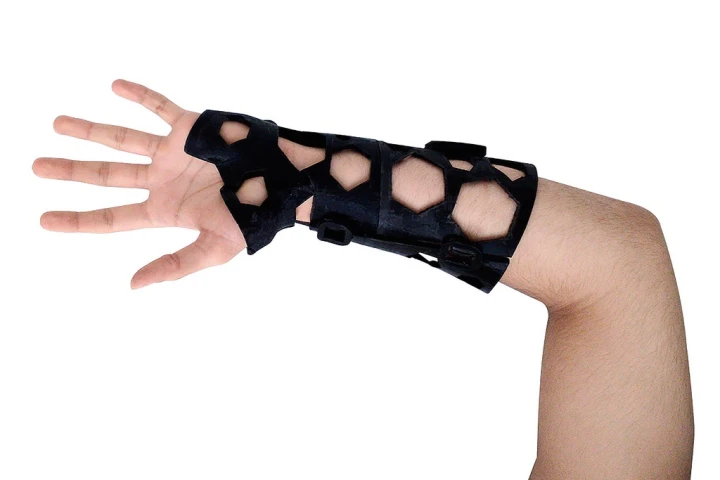 If you've ever had a cast on an arm or leg, then you'll know how uncomfortable, awkward and inconvenient they can be. That's why the NovaCast was created. It's a 3D-printed cast which is custom-made for each patient as needed.
 -
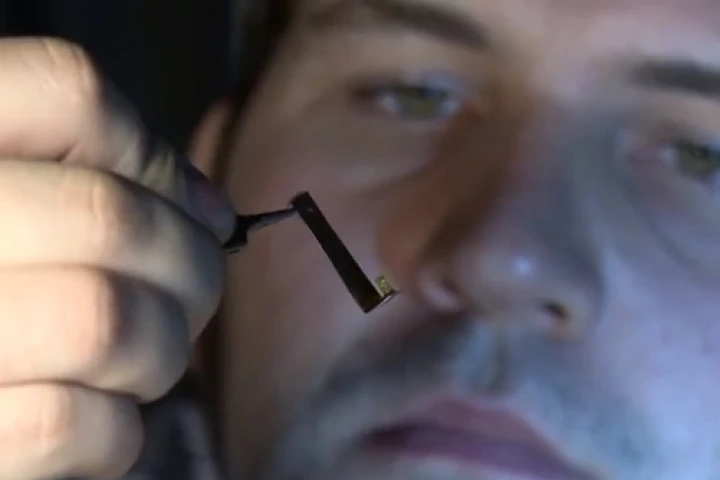 When a nerve is severed, the best form of treatment involves letting the two ends grow back into each other. Scientists at the University of Sheffield have developed a means of helping them do so, in the form of a 3D-printed nerve guidance conduit (NGC).
 -
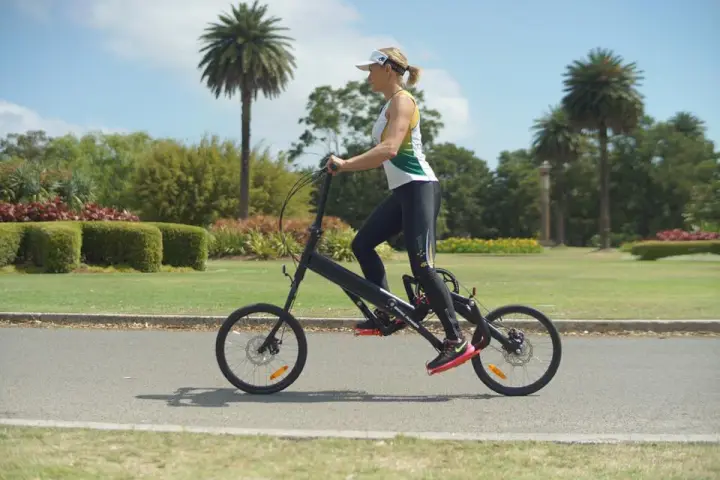 Running may be a great source of exercise, but it isn't exactly a low-impact workout. That's why Australian startup Run4 developed the Bionic Runner. It looks like a seatless bicycle and is designed to replicate the motion of running, but without the "hard landing" at the bottom of every stride.
 -
 You've probably heard about baseball pitchers "throwing their arm out." In order to help avoid such injuries, and to assist pitchers in assessing their performance, biomechanics tech company Motus Global is introducing its Motus Sleeve.
 -
 It's an ongoing problem within sports ... players receive a severe blow to the head, but they don't want to tell anyone so that they can keep playing. While there are already some helmet-mounted devices that detect such impacts, Force Impact Technologies' FITGuard is built into a mouthpiece.
 -
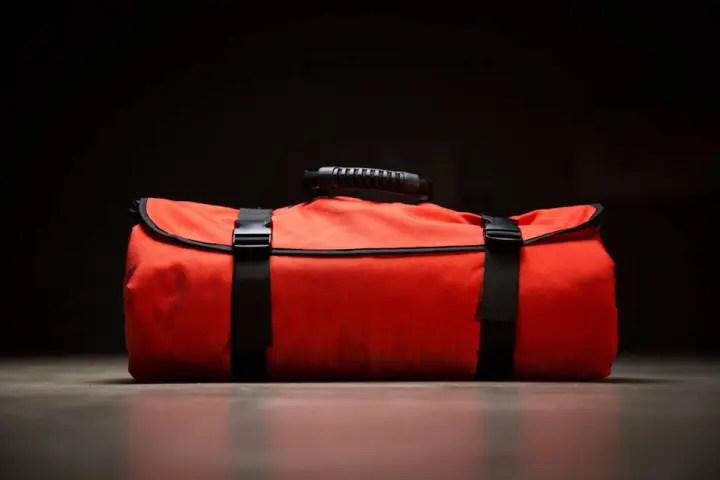 When a tornado's heading your way, the best thing you can do is to go your basement or better yet, to a purpose-built storm shelter. The problem is, not everyone has access to either. That's where the Tuuli Armor Tornado Shield comes in. Essentially, it's a big bag that you get inside of.
Load More