
Nanostructures
-
 In a fight against Iron Man, you might be better off betting on Glass DNA Nanolattice Man instead. Engineers have developed a very strong and lightweight new material out of DNA that self-assembles into lattices, and is then coated in glass.
 -
 Traditional paint gets it color from synthetic pigments, which fade over time and aren't very eco-friendly. There may soon be a better alternative, though, in the form of a paint which incorporates color-producing nanostructures.
 -
 Autonomous vehicles operate in a complex environment, and recognizing traffic signs is an important part of that. A new microstructured material reflects light in rainbow rings, which can make traffic signs easier for computer vision systems to read.
 -
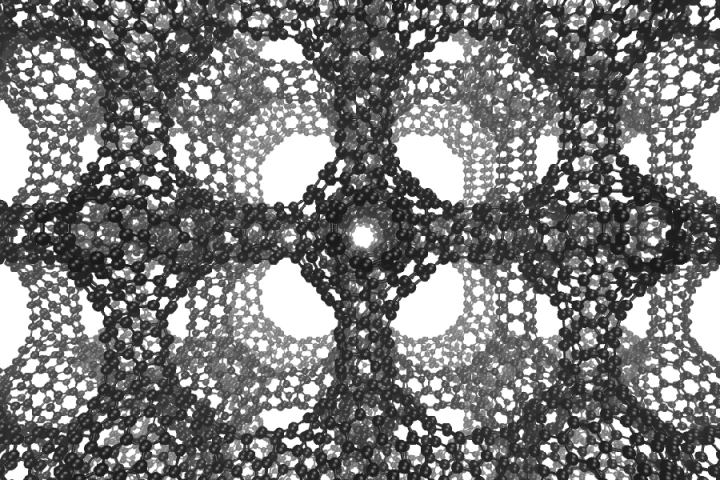 Carbon atoms can form graphene sheets and buckyballs. Scientists have theorized that a third variation should exist with negative curvature, known as schwarzite. An international team has now found a way to create these structures, which may have unusual electrical, magnetic and optical properties.
 -
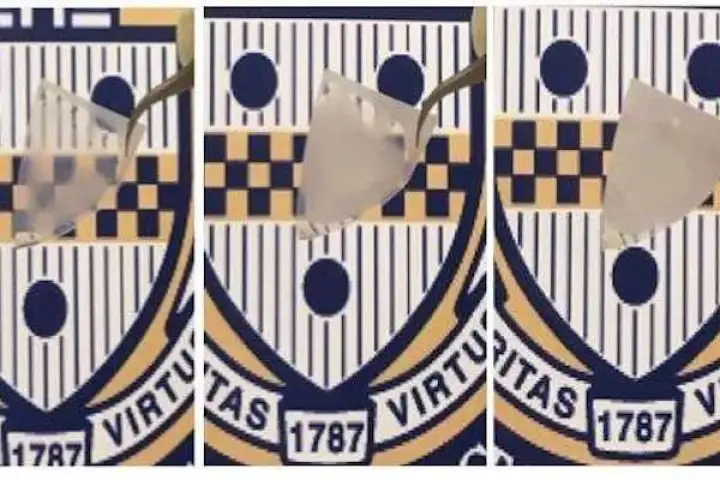 With blinds in front of our windows, we usually have to choose between light and privacy, but “smart glass" can toggle its opacity as needed. Now a University of Pittsburgh team has developed a new type of glass that can switch between hazy and clear in seconds – just add water.
 -
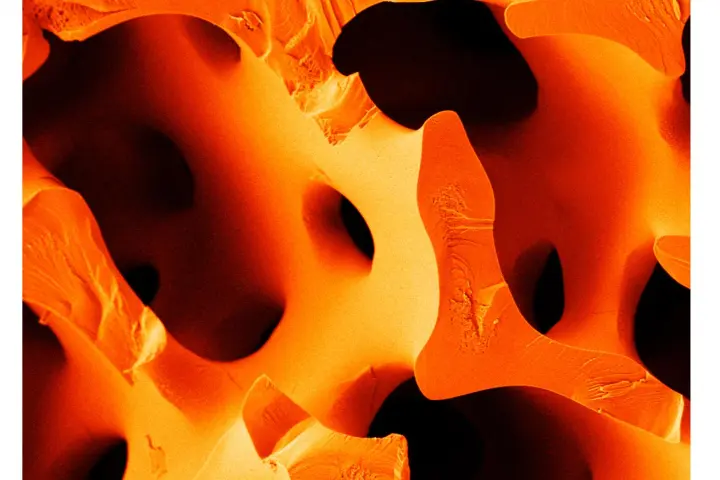 The natural world is a constant source of inspiration for scientists and engineers. The latest biologically influenced innovation comes from a team of German researchers who developed a new type of stronger cement inspired by nanostructures found in sea urchin spines.
 -
 Researchers at the Masdar Institute are creating 3D printed high performance materials with custom-designed mechanical, thermal and electrical properties by manipulating the materials' internal structures.
 -
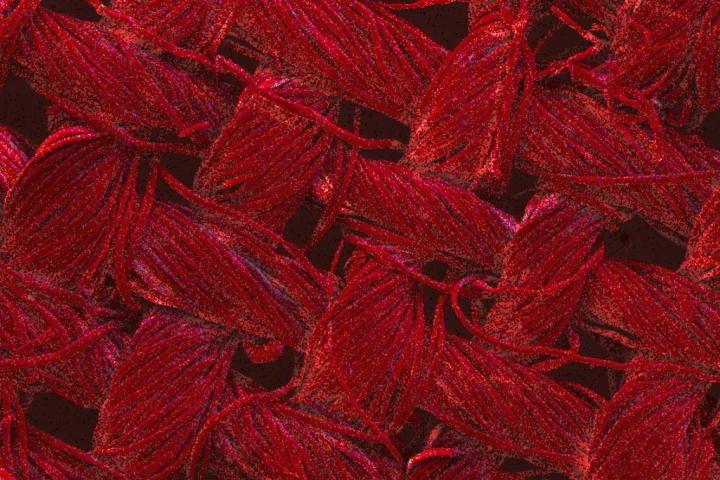 If researchers at RMIT have their way, the amount of time we spend measuring capfuls of liquid, scraping out the lint filter and refolding our duds may soon be slashed thanks to a new coating that cleans fabrics whenever they're exposed to light.
 -
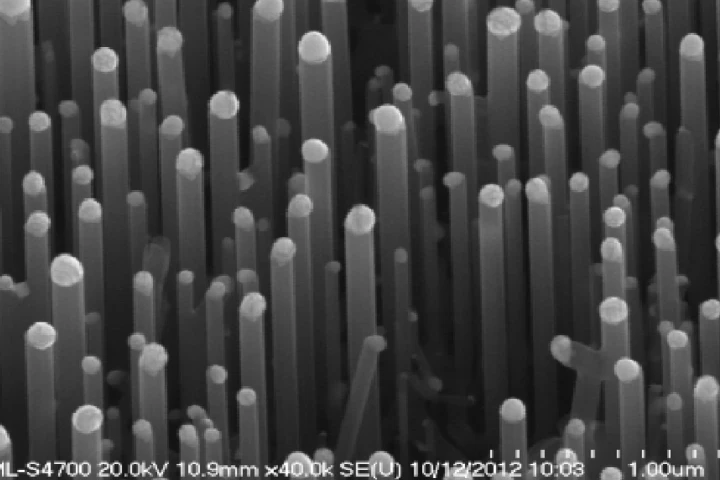 researchers at Northwestern University have deduced the optimal texture roughness required make surfaces hydrophobic and keep them dry underwater for months at a time, which could prove invaluable for everything from pipes to boats and submarines.
 -
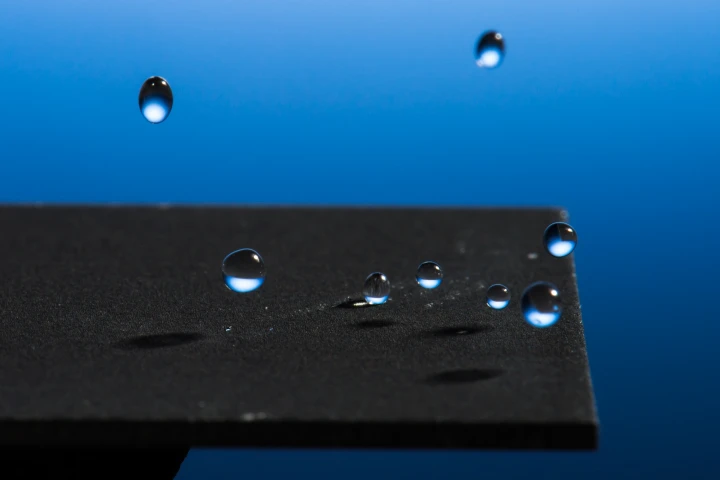 With the help of very high-power laser beams, researchers at the University of Rochester have created micro and nanostructures that turn metals black and make their surfaces very easy to keep clean and dry.
 -
 A new study conducted at the University of Pennsylvania has shown that plasmonic nanostructures could prove especially effective at improving the performance of solar cells and optical communication devices.
 -
 An improved version of Thomas Edison's nickel-iron battery has been developed by Stanford researchers.
Load More