
Transistor
-
 A remarkable proof-of-concept project has successfully manufactured nanoscale diodes and transistors using a fast, cheap new production technique in which liquid metal is directed to self-assemble into precise 3D structures.
 -
 AI machine learning uses so much computing power and energy that it's typically done in the cloud. But a new microtransistor, 100X more efficient than the current tech, promises to bring new levels of intelligence to mobile and wearable devices.
 -
 Wood isn’t usually very good at conducting electricity, but now scientists have created the first functional wooden transistor. It’s not the best, and it requires some processing, but it does work and could help make for biodegradable electronics.
 -
 Water is usually something you’d want to keep away from electronic circuits, but engineers in Germany have now developed a new concept for water-based switches that are much faster than current semiconductor materials.
 -
 Highlighting the march of technology, IBM has unveiled new semiconductor chips with the smallest transistors ever made. The new 2- nanometer tech allows the company to cram a staggering 50 billion transistors onto a chip the size of a fingernail.
 -
 Eyeing solutions to our e-waste problem, engineers have developed the world's first fully recyclable printed electronics, demonstrated in a transistor that can be reduced to its original building blocks with the help of baths and sound waves.
 -
 A University at Buffalo team has proposed a new form of power MOSFET transistor that can handle incredibly high voltages with minimal thickness, heralding an efficiency increase in the power electronics of electric vehicles.
 -
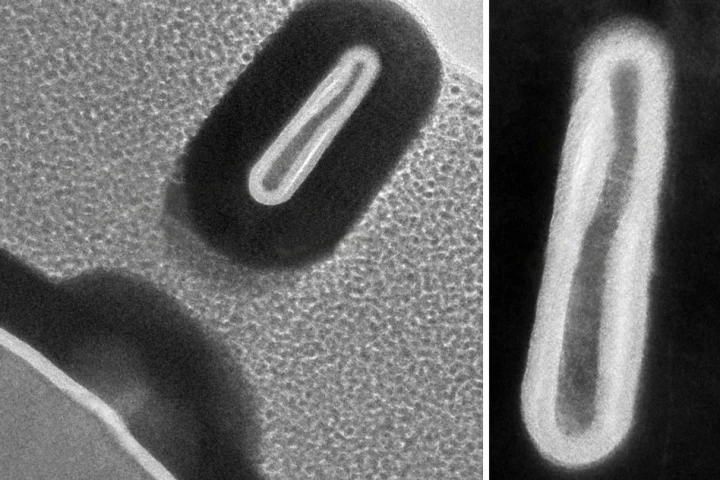 Engineers from MIT and the University of Colorado have developed a new microfabrication technique and used it to produce the smallest 3D transistors ever made, measuring about a third the size of the current leading commercial products.
 -
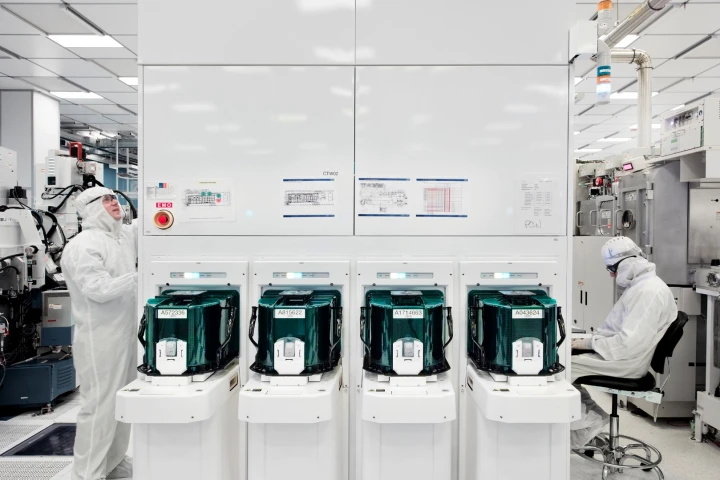 IBM has unveiled its plans to create 5 nm chips. The company is ditching the standard FinFET architecture in favor of a new structure built with a stack of four nanosheets, allowing some 30 billion transistors to be packed onto a chip the size of a fingernail.
 -
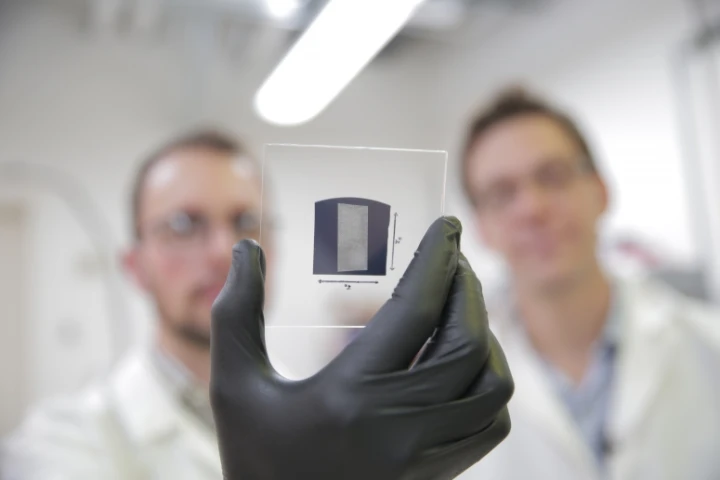 They're not the first transistors created using carbon nanotubes (CNTs), but researchers at the University of Wisconsin-Madison (UW-Madison) claim their new carbon nanotube transistors are the first to outperform the best silicon transistors available today.
 -
 Scientists have designed a graphene-based transistor that works with ultra-low power consumption and which could ultimately be used to increase the clock speed of processors up to a staggering 100 GHz.
 -
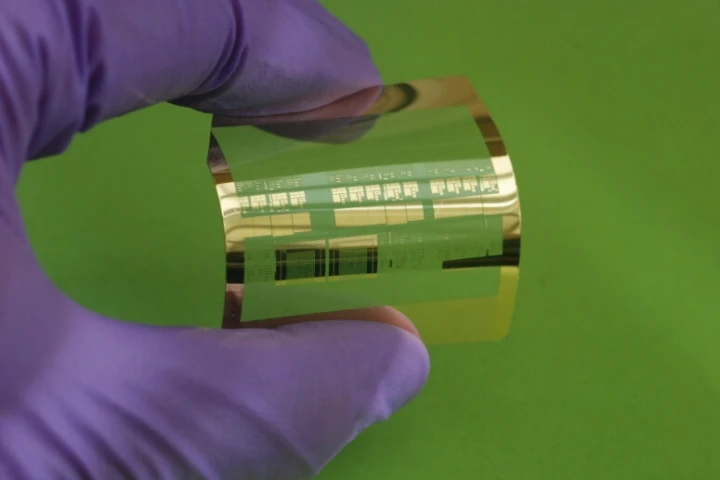 A breakthrough manufacturing method, using a technique known as nanoimprint lithography, has been devised that creates high-performance transistors with wireless capabilities on rolls of common, flexible plastic.
Load More