
University of California
-
 Researchers at UCLA have successfully devised a way to produce cement with 98% less CO2 emissions than traditional methods. The team achieved this by decomposing limestone to access calcium oxide (aka lime) without releasing carbon dioxide.
 -
 Smart textiles and patches are the near future of home health monitoring. The latest in this burgeoning field of medical therapies is one that impressively keeps an eye on your muscles in real time, helping with both injury recovery and prevention.
 -
 Scientists at Stanford University and University of California, Santa Barbara have put forward a particularly interesting soft robot design, showing off an inflatable machine that can change shape and roll in controllable directions while untethered.
 -
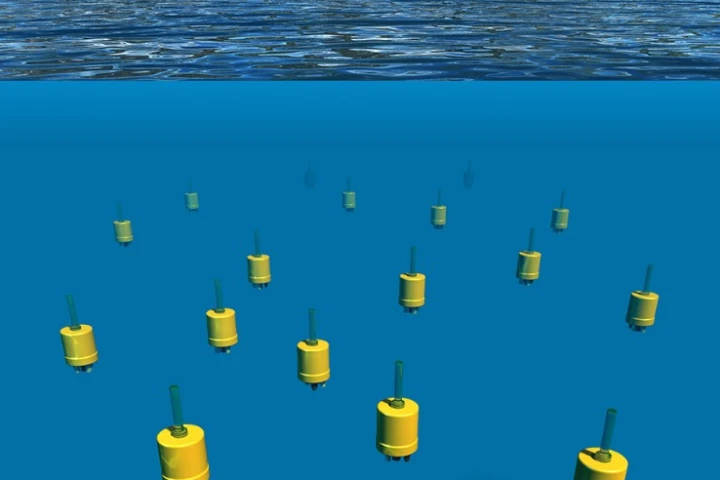 We know that plankton are too small to swim on their own, so how do these little drifters get to where they need to go? Seeking answers to this question along with other insights about our oceans, scientists have built underwater robots that mimic plankton behavior.
 -
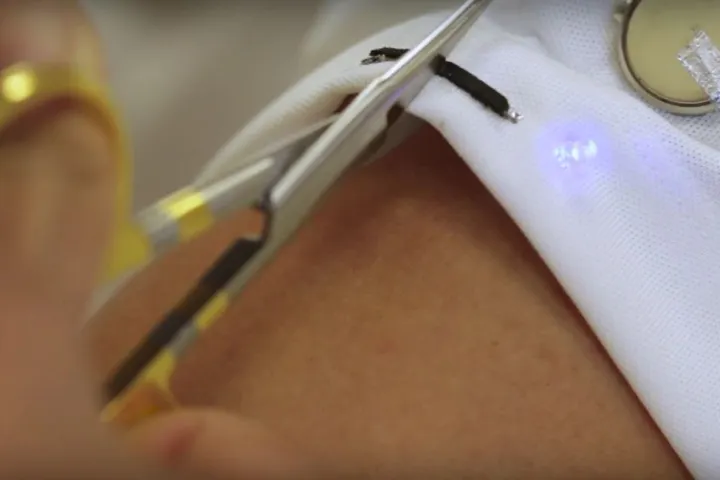 Engineers from the University of California, San Diego have brought together a couple of nascent technologies that could result in inexpensive and long-lasting electronic devices. The team created a magnetic ink that can print a variety of self-healing components.
 -
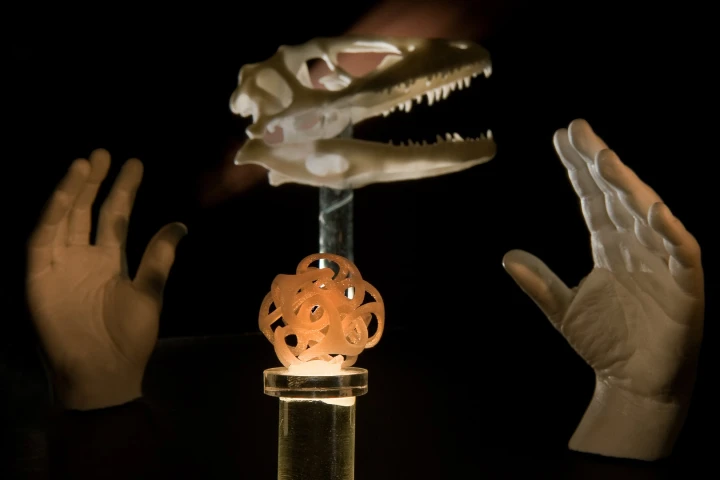 3D printers have opened up all kinds of possibilities when it comes to turning digital blueprints into real word objects, but might they also enable new ways to pilfer intellectual property?
 -
 Researchers have created a battery incorporating the skins of portabella mushrooms. The move not only has the potential to reduce the economic and environmental cost of battery production, but may also result in batteries whose capacity increases over time.
 -
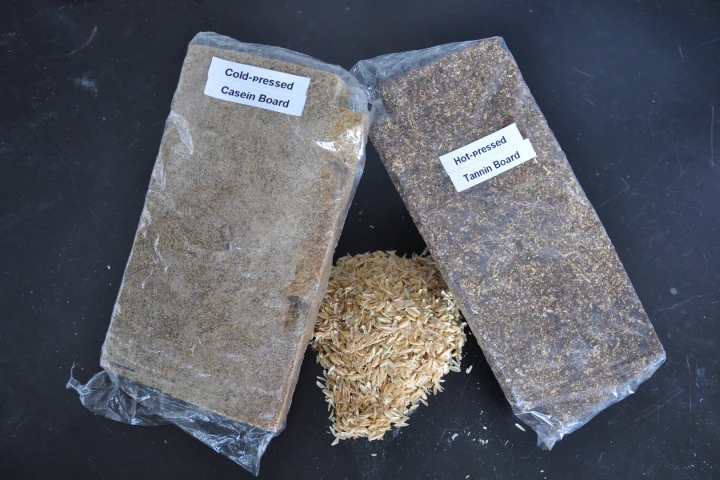 In tropical countries such as the Philippines, there are plenty of rice husks ... and also plenty of termites. A group of engineering students recently decided to use the former to address the latter, by creating termite-resistant particleboard from rice husks.
 -
 Researchers from the Institute of Photonic Sciences (ICFO) in Spain claim to have created a graphene-based photodetector that converts light into electricity in under 50 quadrillionths of a second. This may give rise to a new range of super-efficient, ultrafast electronic components.
 -
 Silicon would be an excellent anode material for lithium-ion batteries, if only it did not have the tendency to make the cell explode with use. Researchers at the University of California, Riverside say they have now found a way to get around the problem.
 -
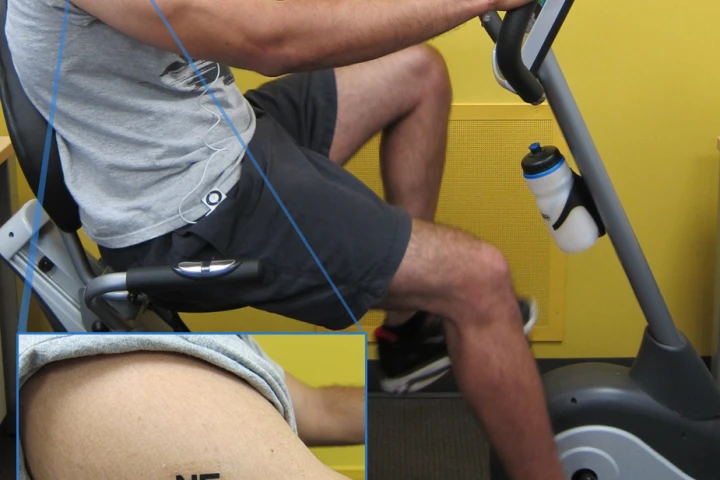 Leveraged the technology behind a temporary tattoo capable of continuously monitoring lactate levels in a person's sweat, researchers have created a biobattery powered by perspiration that could lead to small electronic devices being powered by sweat.
 -
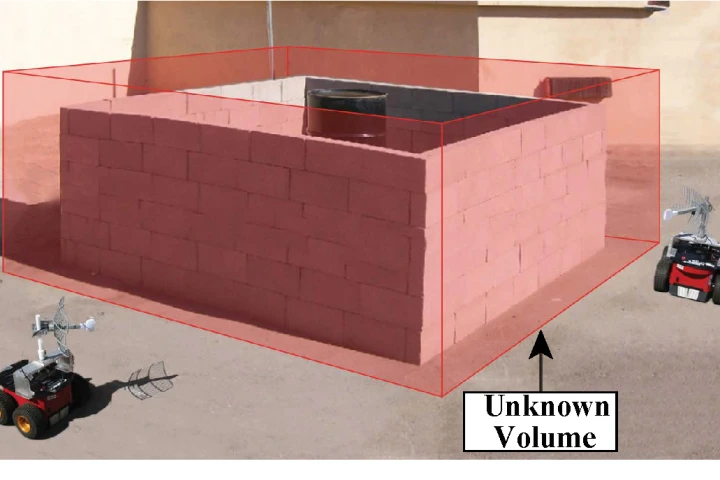 Robots created at UCSB are able to look through solid walls using just Wi-Fi signals. The robots have the capability to identify the position and outline of unseen objects within a scanned structure, and then categorize their composition as metal, timber, or flesh.
Load More