
Zinc
-
 Sweden’s Enerpoly has flung open the doors to its zinc-ion battery megafactory in the north of Stockholm – making it the first manufacturing facility to use this battery technology at a large scale in the world.
 -
 Researchers in New Zealand and Australia have grown tiny metal snowflakes, cubes, rods and other shapes. The nanocrystals form like snow out of a liquid metal, demonstrated an intriguing new potential method for manufacturing nanoscale structures.
 -
 Zinc-based batteries are one of a number of more cost effective, and potentially safer alternatives to lithium-ion, and a new breakthrough shows how crab shells might make them a whole lot more sustainable as well.
 -
 A team at the University of Central Florida has put forward a seawater-based battery design that ticks some key boxes, by using seawater in place of flammable and toxic electrolytes and a new anode to improve durability.
 -
 Zinc-air batteries are great little energy storage devices, but they’re not usually rechargeable. Now a team led by the University of Münster has developed a new zinc-air chemistry that makes this type of battery more efficient and rechargeable.
 -
 Electronic devices are made possible thanks to rare-Earth metals, but these are rare and relatively expensive. Now, scientists have found a way to combine common elements into electronically-useful compounds, which could find their way into tunable lighting and solar panels.
 -
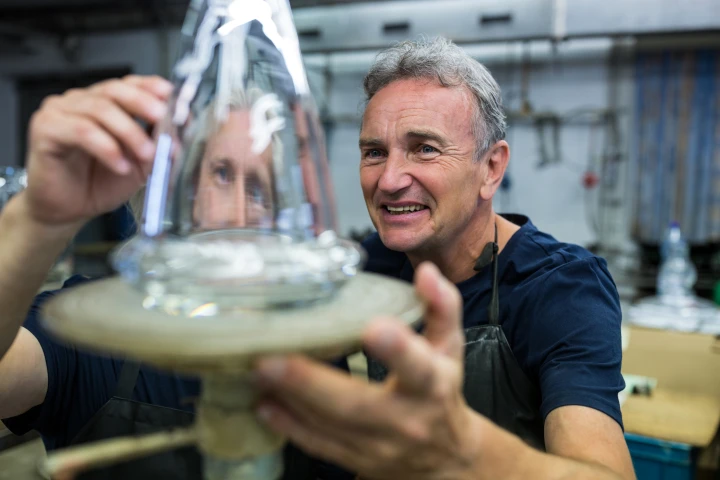 The glass we’re most familiar with is made from silicon dioxide, but now, an international team of scientists have developed a brand new class of glass, made from metal-organic compounds. These new materials form glass more readily than other types, and are much more pliable.
 -
 Another day, another new use for graphene. This two-dimensional form of carbon is strong, flexible and a great conductor. Now the overachieving wonder material has been put to work in the garden, as Australian researchers have used it as an effective slow-release carrier for fertilizer.
 -
 Zinc-manganese batteries are back in the spotlight now that a team of researchers has made them much more reliable, with greater numbers of charging cycles than ever before. And all for around the same price as a standard lead-acid car battery.