
Food is one of the true pleasures of life, and often part of our enjoyment comes from flavors enhanced by salt. But too much of a good thing can be bad. Scientists have uncovered a promising workaround, using naturally derived peptides that make salt taste saltier, greatly reducing the amount we need to add to food for the same taste.
Gannan Medical University researchers in China have unlocked a way to dramatically enhance the power of salt.
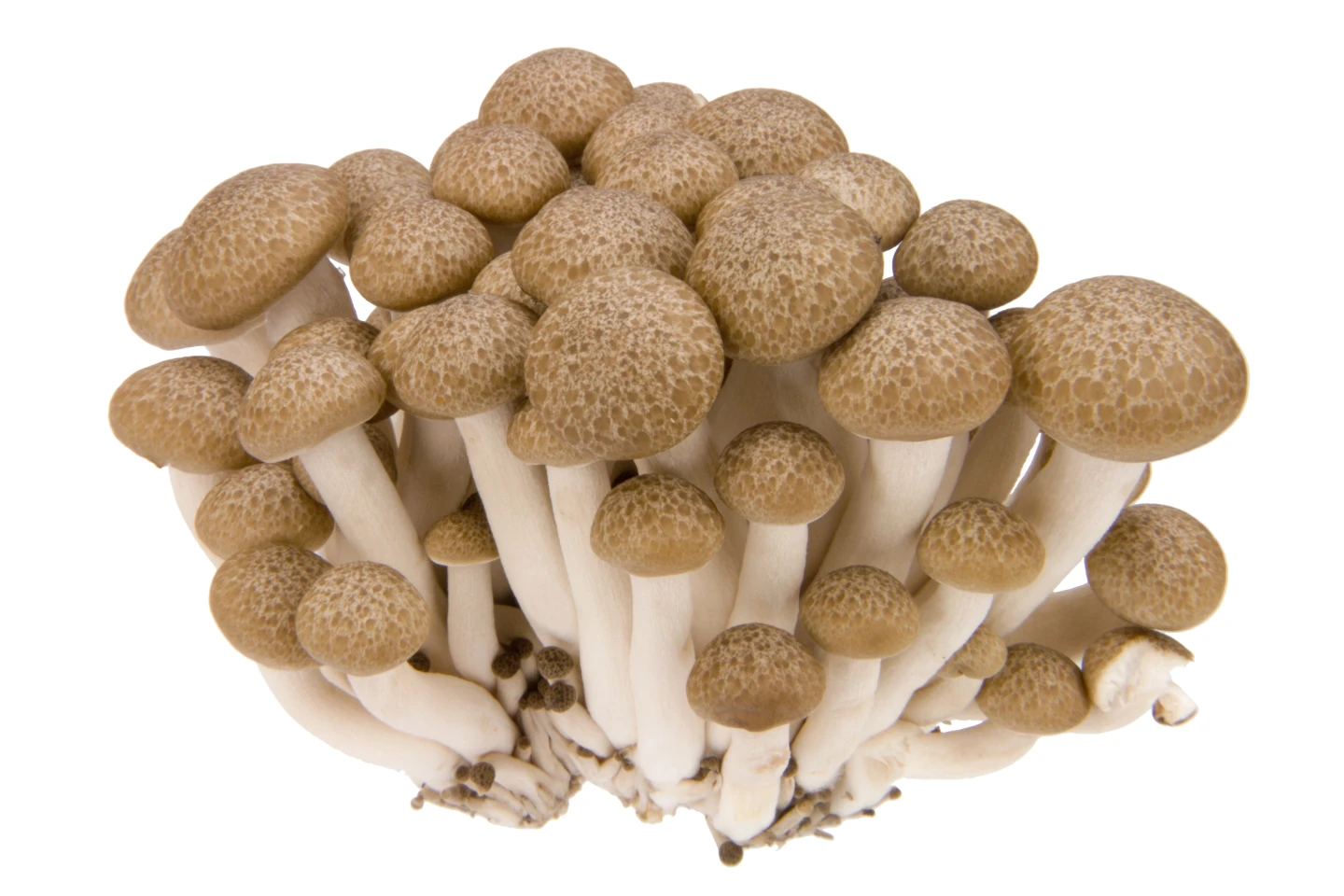
Rather than swapping to a low-sodium diet, using a blend that features one particular peptide isolated from the edible Hypsizygus marmoreus mushroom could mean drastically reducing salt intake for your health, without sacrificing flavor.
This wild mushroom has already been recognized for its strong bioactive properties, and its flavor-enhancing power – particularly by researchers across Asia.
Now, scientists have taken it a step further, using mass spectrometry to filter 6,000 peptide candidates down to just five that showed the most promise when it came to stable, safe flavor-boosting qualities. These were then synthetically created and tested on both human and electronic tongues.
Within a 75-105-second window, testing the sustained strength of saltiness, three peptides stood out – ASHGEGF, GDDWT and LDDGF.
However, ASHGEGF proved to be the strongest of the trio, enhancing saltiness by 70.59%, ahead of LDDGF (49.02%) and GDDWT (47.06%).
On a molecular level, the researchers found that these peptides all targeted the transmembrane channel-like protein 4 (TMC4) receptor, which essentially detects saltiness and sends these signals to the brain.
As this 2025 paper showed, scientists were getting closer to understanding how mushrooms could interact with this receptor to make what we eat taste saltier, but just how wasn't clear until now.
"These results propose a screening strategy for saltiness-enhancing peptides from Hypsizygus marmoreus and support their potential as taste enhancers for low-sodium food applications," the researchers behind the latest study reveal.
While we can, whether we like it or not, control our salt intake when we're cooking whole foods at home, this is not a luxury everyone has the time, money and resources to do. For decades, studies have shown we underestimate how much salt is going into processed and fast foods to enhance taste.
Having a healthy, synthetically made option that enhances how we taste salt could in turn greatly reduce our intake without us noticing. And with age, this becomes a real problem.
The researchers will now look at how ASHGEGF works when it's added to a low-sodium mix and real food.
The study was published in npj Science of Food.
Source: Gannan Medical University via Phys.org