
Energy

Nuclear startup raises mega cash in race to deliver portable reactors

Nuclear startup raises mega cash in race to deliver portable reactors
With its planned Kaleidos trial next year, Radiant will be the first to test a new reactor in the US in more than half a century
View 3 Images
With its planned Kaleidos trial next year, Radiant will be the first to test a new reactor in the US in more than half a century
1/3
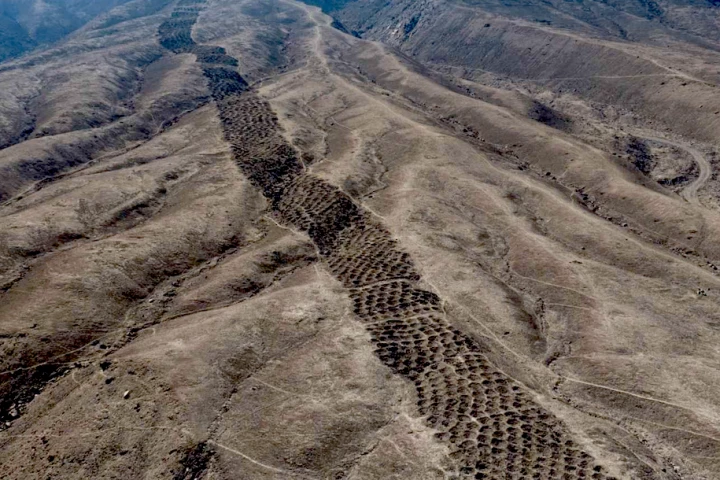
With its planned Kaleidos trial next year, Radiant will be the first to test a new reactor in the US in more than half a century
Radiant has been contracted to deploy reactors to a US military base by 2028
2/3
Radiant has been contracted to deploy reactors to a US military base by 2028
The Kaleidos 1-MWe microreactor fits on the back of a truck or in a plane, arrives fueled and tested, and doesn't need to be refueled for 5 years
3/3
The Kaleidos 1-MWe microreactor fits on the back of a truck or in a plane, arrives fueled and tested, and doesn't need to be refueled for 5 years
View gallery - 3 images

El Segundo, California-headquartered startup Radiant Nuclear is making big moves in its mission to bring its 1-MW microreactors to market.

The company has just raised US$300 million to scale its commercialization efforts ahead of laying the foundation for its reactor factory in Oak Ridge, Tennessee, in 2026. That facility is expected to roll 50 Kaleidos microreactors off its assembly lines each year, ahead of shipments to customers in 2028.

The latest funding closely follows a $165-million Series C round in May. With that, Radiant has now racked up more than half a billion dollars to compete in the race to deliver a compact reactor.

Introducing Kaleidos, a Portable Microreactor from Radiant

That's a whole lot more than the $1.2 million it had picked up back in 2021 when we first came across its concept. Its fission reactors use TRISO fuel – ceramic-coated uranium particles that don't melt down – along with helium cooling systems for safe, stable operation. Digital twins of the reactors enable greater control, performance modulation to suit fluctuating energy demands, and performance and temperature distribution monitoring in real-time.

Radiant says its semi trailer-sized reactors arrive fully assembled, fueled, and tested wherever they need to be deployed as replacements for diesel generators; once dropped off from a delivery truck, it can begin producing power the next day, along with 1.9 MW of thermal power for industrial heating applications. A fleet monitoring system allows for daisy chaining hundreds of units together. And when its fuel is depleted after five years of use, the entire container can be shipped back for refueling.

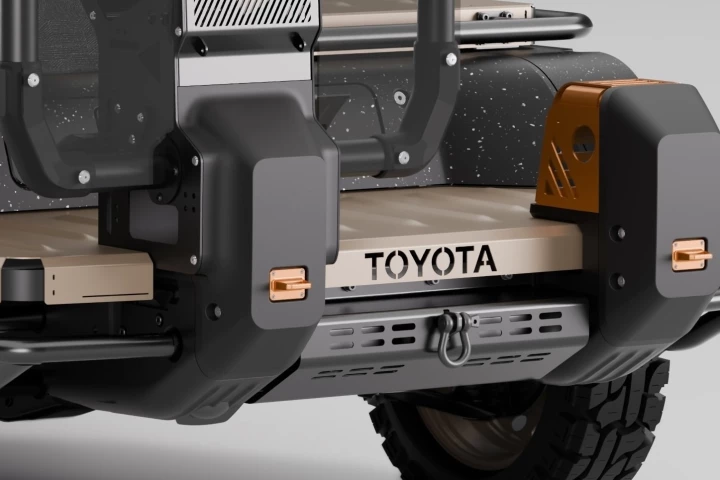
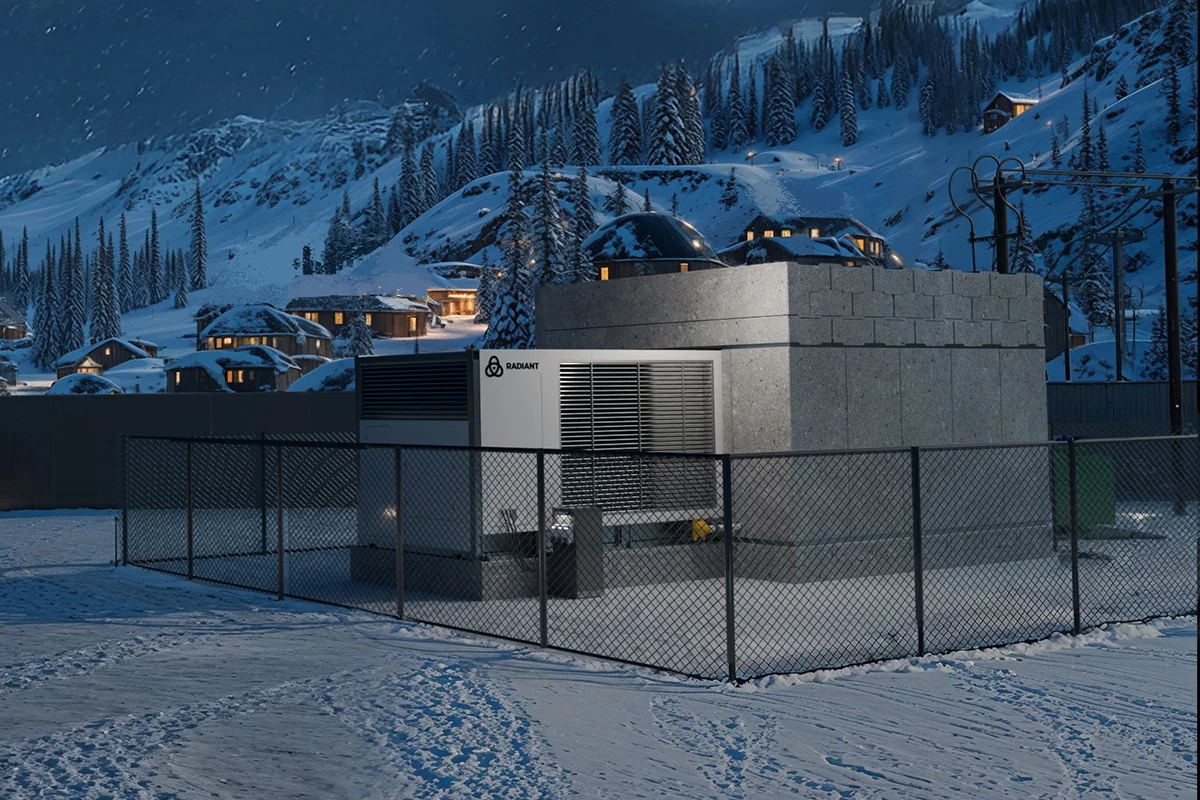
The Kaleidos 1-MWe microreactor fits on the back of a truck or in a plane, arrives fueled and tested, and doesn't need to be refueled for 5 years

The reactors are suitable for use on army bases, remote communities, disaster areas, and energy-hungry data centers. In fact, Radiant signed an agreement in August to deliver one to a US military base in 2028; it also inked a deal with Equinix, which operates data centers, to supply dozens of reactors for its facilities.

The Kaleidos will see a fueled test using high-assay low-enriched uranium next year, making it the first new commercial reactor design to be trialed in the US in over 50 years. Only four other firms in the country are cleared to use this fuel, so Radiant is in pretty exclusive company.

To that end, the startup is set to put together a Kaleidos demo unit for testing at Idaho National Laboratory’s Demonstration of Microreactor Experiments (DOME) research facility in the city of Idaho Falls.

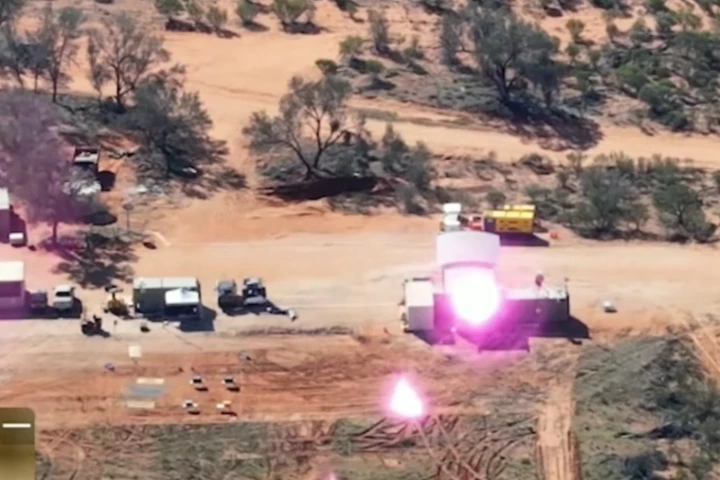
Radiant has been contracted to deploy reactors to a US military base by 2028

While $525 million seems like more than enough money to figure out how to mass produce small reactors, it's worth noting that Radiant is up against formidable well-funded rivals in this venture across the country, including Last Energy and Antares Nuclear. The race to meet the US Department of Energy Reactor Pilot Program's deadline of having a reactor achieving criticality by July 4 next year is on.

Source: Radiant Nuclear via TechCrunch

View gallery - 3 images
9 comments
9 comments
BarronScout
I know there are NIMBYs out there, but maybe a version of this for distributed power generation instead of massive power plants taking up hundreds of acres in big, ugly installations? I think something like this was in Back to the Future with some version of Mr. Fusion installed in each neighborhood? Could also get rid of massive overhead power lines that have sparked some nasty wildfires if the power plant is local instead of hundreds of miles away. Or install a cluster at a sub-station to power a local grid.
Bonus - all the $$$billions that is needed to overhaul the power grid could be reduced because there is no longer need to send vast amounts of power long distances. Maybe just a fraction of the power to load balance? Also changes the landscape of infrastructure attacks when you can't just hit one power plant or transmission line to crash the grid. So more security.
Thoughts?
SussexWolf
@BarronScout In Back to the Future, they were using Mr Fusion power, which is”fusion” not “fission”. Inherently different beast with very different benefits and risks. Micro fission plants are potentially very useful for large remote power needs, whether military, commercial or civilian, even on the moon or Mars, but the idea of placing these units in city neighbourhoods to replace a conventional grid makes no sense economically or for safety.
TechGazer
There are definitely benefits to distributed small reactors. The question is overall economics. Does it provide cheaper electricity than the alternatives, when all the costs are figured in (security, accidents, end-of-life costs, etc)? Accidents per reactor might be less expensive than for large reactors, but you also have many more reactors, so more chances of accidents. This needs a comprehensive study, not done by the nuclear industry. Maybe have a study done by one of the alternative energy industries?
Nelson
This looks like a thousand Chernobyls waiting to happen.
ljaques
I've been heartened by seeing all these SMRs being tried. I thought 10-50MWh was going to be a good size, but they're doing many 100-300MWh units. This 1MWe plus 1.9MW thermal sounds great for cold climes and small neighborhoods. The savings from not having to pipe it over thousands of miles, and removing all that infrastructure, is cutting costs quite dramatically. Note to the fearful out there: This type of SMR is incapable of exploding, melting down, throwing up radioactive clouds, etc. Just Chill.
bliksem
What a drawn out way of saying this is another pebble bed reactor. Almost as drawn out as the technology has attempted to bring a viable offering to market (Germany - failed, South Africa - failed, USA - failed). The most recently viable option being NuScales original product that received approval but failed at the funding stage due to pullout.
It has great potential and the reuse of fuel is promising, but we are 3 decades deep and not a single live deployment. Like so many flashy marketing pushes these days...I'll believe it when I see it.
Smokey_Bear
awesome. I love all the work (FINALLY) being done on nuclear in the US, we have been asleep at the wheel for too long. Coal is dirty & being phased out globally, and wind/solar are decent options, but are intermittent, we need reliable 24/7 power, and nuclear delivers the goods.
Loc
Lead, follow, get out of the way. It is and will be a big part of the big picture. Get used to it. It can be done and has been done for decades. We have no choice and to make it safe. No choice.
MarkGatti
not Thorium salts, not interested . It is the trouble ,once big money is invested in a field it is hard to stop the momentum, and human focus and effort is required in every area .But if they still haven't sorted the incredible hazards to the planet ,and legacy of our race ,from 1000s of years of serious risk ?? ,yeah but nah . It is a bit like the battle between Tesla ,and Edison ,one had a far superior tech [ like who could dream up polyphase motors and generators ,from scratch ??]. the other was a domineering and persistent B'stard ,with a lot of money on the line .