






Agriculture in the United Arab Emirates is associated with a lot of challenges.
Most of the country is desert, and only about 5% of its land is suitable for farming. This means that the UAE can produce only 10% to 15% of its food supply, and relies heavily on imports, which is never ideal. And if this sounds like a distant, localized issue only affecting someplace far away, think again. With rapid deforestation and global warming, more territories around the world are becoming desert-like, and this problem might become much more relatable sooner than we think.
It doesn’t rain much in the UAE, to say the least, and even with irrigation, growing crops in sand is a huge challenge. Sand doesn’t contain many nutrients, and its grains don’t stick together like particles in fertile soil do. That’s why sandy soil is highly prone to erosion, as it simply can’t hold water for long, letting it quickly seep through the gaps between the grains.
Researchers at Switzerland's Empa institute and Khalifa University in Abu Dhabi took on the challenge of finding a way to make sand more suitable for growing crops.
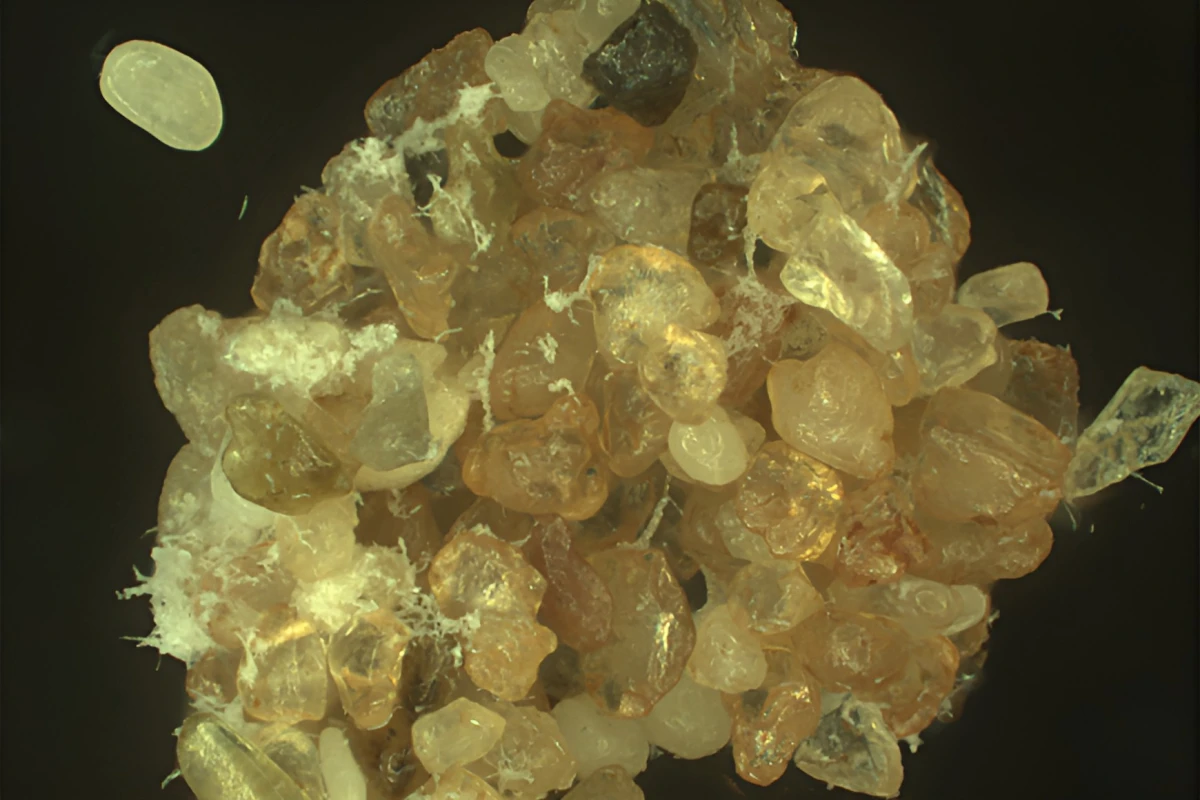
They call their technology “living sand,” and the idea behind it is clever and simple: if things don’t stick, add something sticky. In this case, the researchers introduced specific bacteria and fungi to the sand to help hold it together. These microorganisms produce whole network of fibers and biopolymers that spread between the sand particles and make them more cohesive. In very simple terms, it’s pretty much like mixing sand with a natural glue.
To test this technology, the scientists used both laboratory sand and sand collected from dunes in Abu Dhabi. The resulting material was significantly more stable than pure sand, and the bacterial treatment slowed down the movement of water by six times.
These microorganisms also need nutrients to grow and spread, but that part seems to have an easy solution. According to the researchers, sugars from organic waste could be a potential source of those nutrients, so the “food” for the bacteria is already widely available.
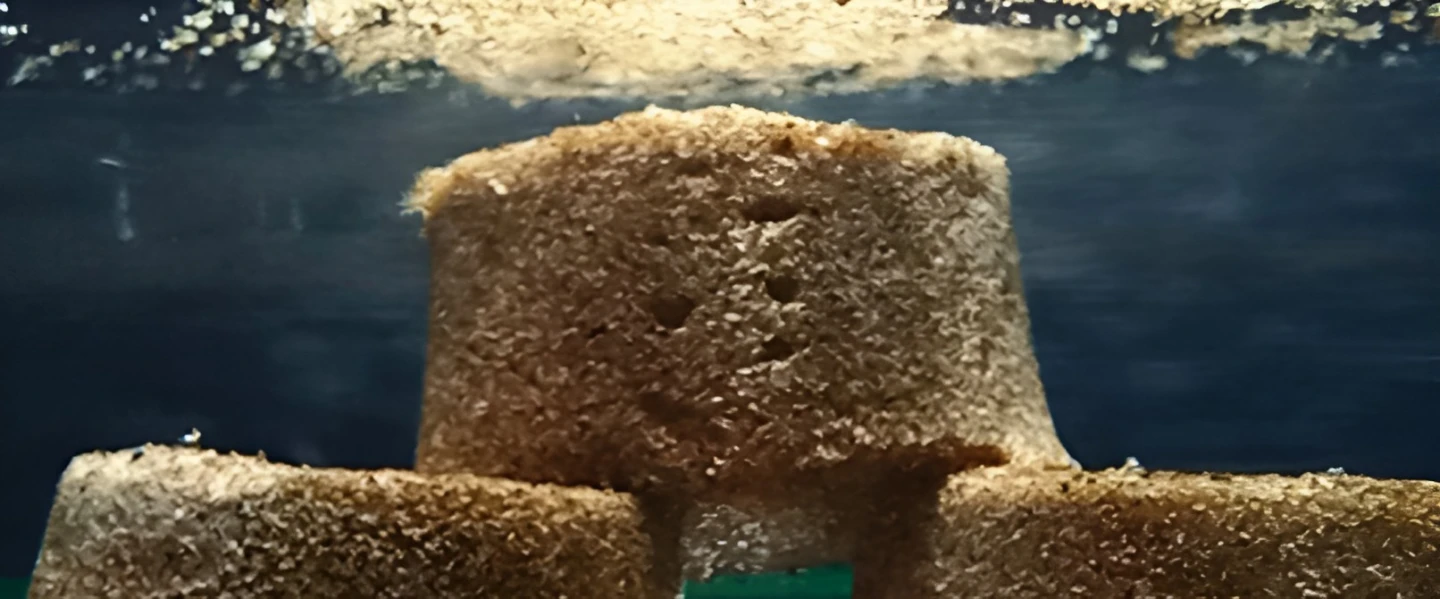
The researchers also tried another method. They used bacteria that produce nanocellulose to form so-called geotextiles. Basically, these are very thin cellulose sheets that are then combined with sand to form layers. This layered structure makes sand more stable and also helps it retain water. The results were even more impressive this time: water seeped through 28 times slower. The most obvious drawback of this method, for now, is how time-consuming it is.
None of these technologies magically turn sand into highly fertile soil or demonstrate that crops actually grow in it, at least not at this stage of the study. Compared with actual soil, even the treated sand is still not as strong and stable, but that wasn’t the current goal. The idea is to give the sand just enough cohesion and water-holding capacity to create conditions in which plants could potentially grow. So, this study is a first step rather than a complete solution, but it’s already a huge step forward.
“This approach allows us to introduce organic matter and water into the sand and stabilize it somewhat. Ideally, this will then enable the growth of further microorganisms and plants, thereby initiating the process of making the soil more resilient and fertile,” says Gustav Nyström, head of Empa's Cellulose and Wood Materials laboratory, and one of the authors of the study.
The study is still at the laboratory stage, so the next step will be to test whether the sand treated with bacteria and fungi can support plant growth in a greenhouse and field environment.
A paper on the research was recently published in the journal Carbohydrate Polymers.
Source: Empa


