






Climate change is reshaping weather patterns around the world, bringing heavier rainfall and more extreme weather to places that have rarely experienced them before. Floods are among the most common natural disasters, and every year they affect millions of people, take lives, destroy homes, and cause billions of dollars in damage.
When it comes to natural disasters, protecting property is, unfortunately, not always possible. During a flash flood, when water levels can rise by a few meters within minutes, saving human life becomes a priority. Five minutes doesn’t seem like a lot, but in an emergency situation it can be very significant. Gaining this valuable extra time was the primary goal for Daniella Rempe, an associate professor at The University of Texas at Austin, who is developing an outdoor alarm system called RiseAlert.
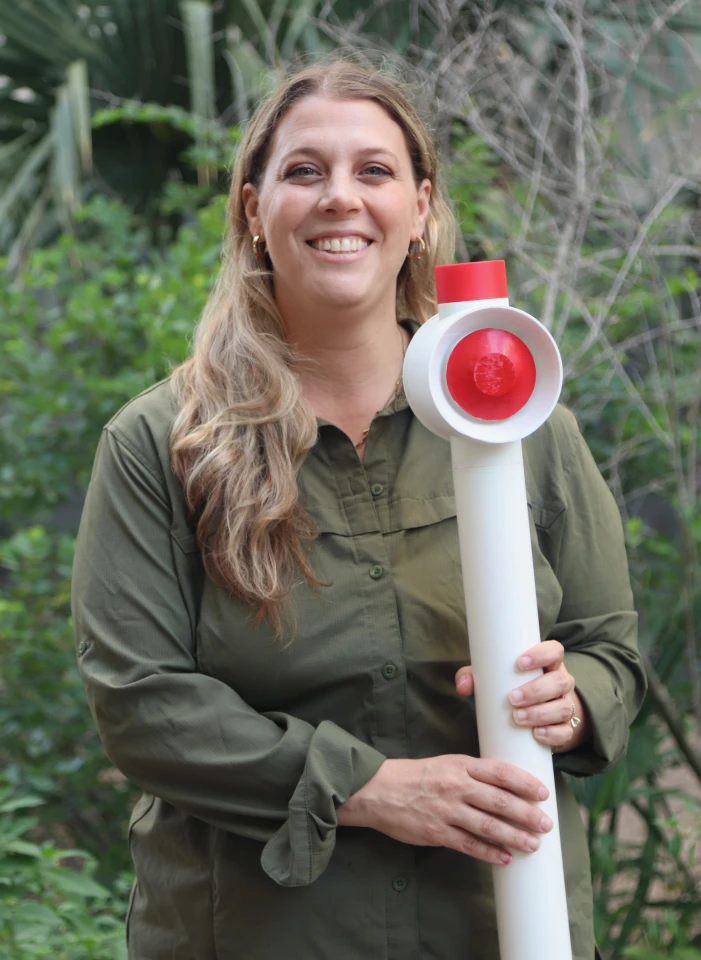
Rempe started working on the project after the tragic flooding in Central Texas last July. Even though places like the Texas Hill Country are equipped with the most modern emergency alarm systems, floods continue to claim lives, which means that existing warning methods don't completely solve the problem. And there are a few reasons for that.
The alarm systems designed for private properties are excellent at detecting plumbing leaks, pump failures, or water that has already entered a basement. In a scenario of flash floods, getting a warning after the water is already in the building is too late, and it leaves residents very little time to evacuate. Many modern smart flood systems also send warning notifications via Wi-Fi, which is less reliable given that severe flooding often causes power outages.
Community-wide warning systems – such as emergency text messages or sirens – are very effective, but their main weakness is that they are designed to warn large areas rather than private properties. Flooding can be very localized, and two houses 100 meters apart from each other can be affected very differently depending on the terrain, and a general warning just cannot account for those factors.
To overcome these limitations, Rempe, in collaboration with other researchers, is developing an outdoor flood alarm that they call “a last line of defense.”
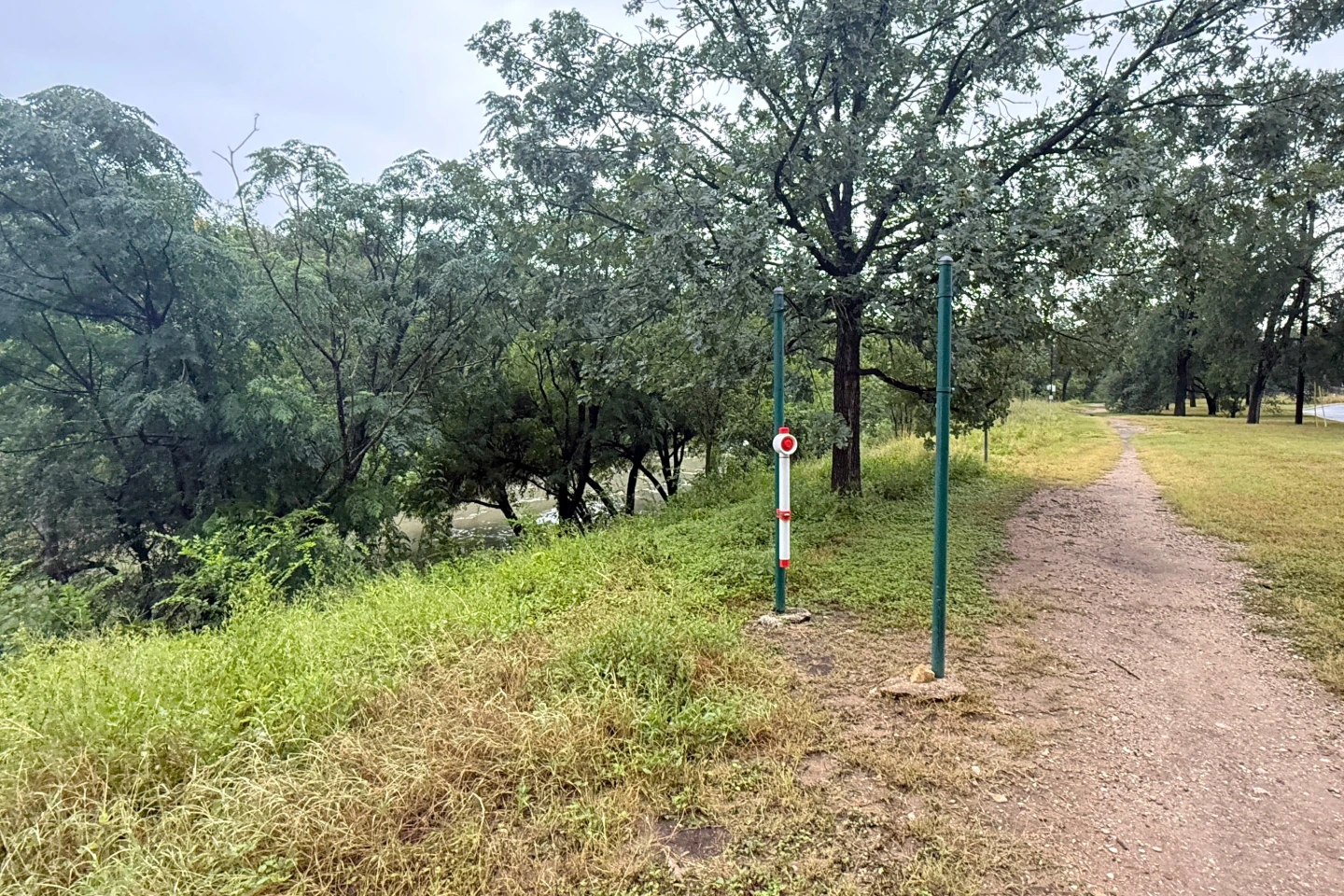
It’s intentionally designed as a very simple, low-tech device. It needs minimal maintenance, can hold a battery charge for 10 years, and doesn’t require Wi-Fi connectivity or any mobile apps. It consists of a water-level sensor connected to a loud alarm and a flashing warning light. Installation is also pretty straightforward: the device attaches to a tree or fence post downslope from the property. When rising water reaches a preset level, the alarm immediately gets triggered. Many technical details remain proprietary for now.
The research team already filed a provisional patent application and has moved on to prototype testing. Their next big goal is to find partners and bring RiseAlert to market. Keeping it affordable for homeowners is one of the team’s top priorities, and they hope that one day the device becomes as common and essential in homes as a smoke detector.


