




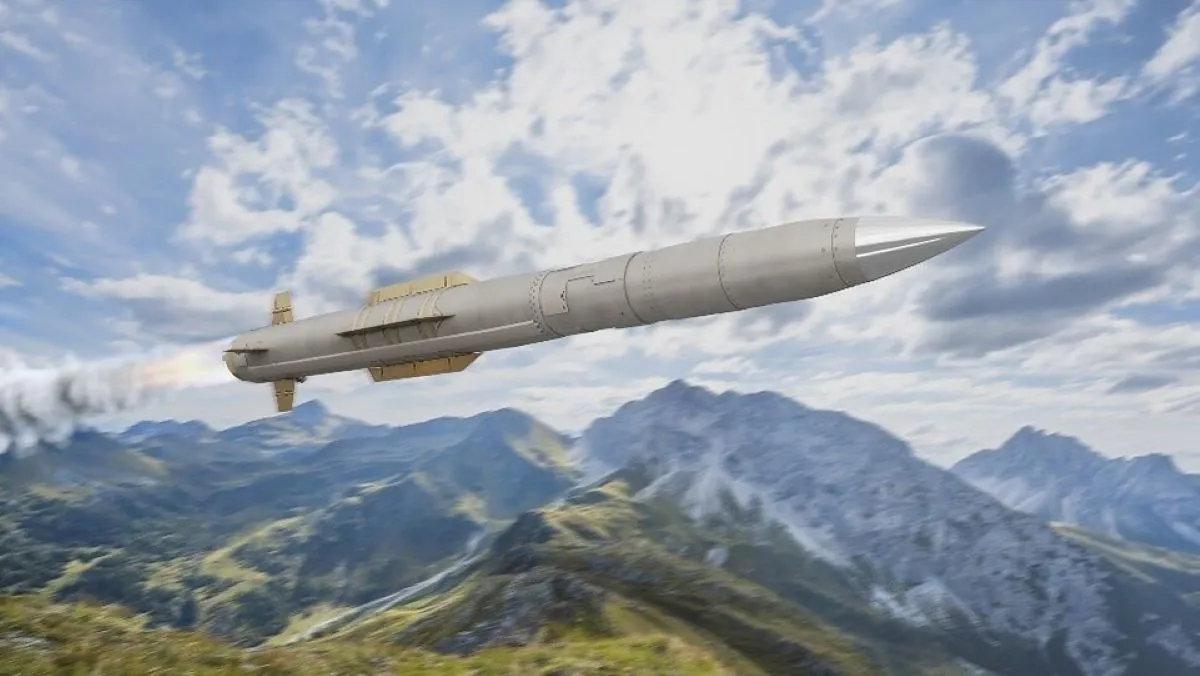

Lockheed Martin used this year's Farnborough International Airshow to introduce a low-cost alternative to its Patriot surface-to-air interceptor missile called the Patriot Advanced Capability-3 Adapted Capability Effector (PAC-3 ACE).
The Cold War-era Patriot interceptor missile has developed a considerable reputation over the years – not least for its role in foiling Iraqi ballistic missiles during the Gulf War of 1990-91. There have been technical improvements since then, but one feature has remained constant. It's not cheap, with a per unit cost of US$4 million.
That wasn't too much of a factor when the Patriot was tasked with shooting down equally expensive missiles, but in the new era of low-cost expendable drones, it scarcely balances the books.
To make the accountants happier, Lockheed Martin has come up with the PAC-3 ACE, which has comparable capabilities to the Patriot, but at a relatively lower price under $2.5 million.
This is more than an exercise in pinching pennies. More expensive interceptor missiles means fewer interceptors are bought, which means fewer are on hand when needed. Given the increasing attempts at drone attacks designed to overwhelm air defenses, reaching for the next missile and finding the locker bare is a very unpleasant possibility.
In order to cut costs and speed up production, the PAC-3 ACE uses the battle-proven PAC-3 algorithms. This also makes the new interceptor missile compatible with the current Patriot fire-control systems and the Integrated Battle Command System (IBCS). However, the design has been simplified with some components omitted or swapped for less complex ones.
Being developed in collaboration with European and American companies to maintain compatibility, the PAC-3 ACE is expected to enter production in 36 months.
"American and allied warfighters need a solution that is battle-tested and budget-smart, and PAC-3 ACE delivers exactly that by building on the unrivaled performance of the PAC-3 MSE," said Tim Cahill, president, Lockheed Martin Missiles and Fire Control. "As we look to partner with our allies, we can further enhance resiliency and ensure our forces can swiftly counter emerging threats today and tomorrow."
Source: Lockheed Martin


