



After ebikes, self-balancing tech has finally found its way onto motorcycles. And it’s not Honda, Yamaha, or BMW Motorrad behind this feat, but rather, a lesser-known Singaporean startup called OMOWAY.
Their OMO X becomes "the world’s first self-balancing electric motorcycle in mass production." But look at it, and you’d realize it’s more of a scooter than a motorcycle.
Nevertheless, it is still a pretty wild achievement. At the center of it all is what OMOWAY calls the OMO-ROBOT architecture, which uses vision processing with self-balancing tech to keep the bike upright, regardless of how fast it is going.
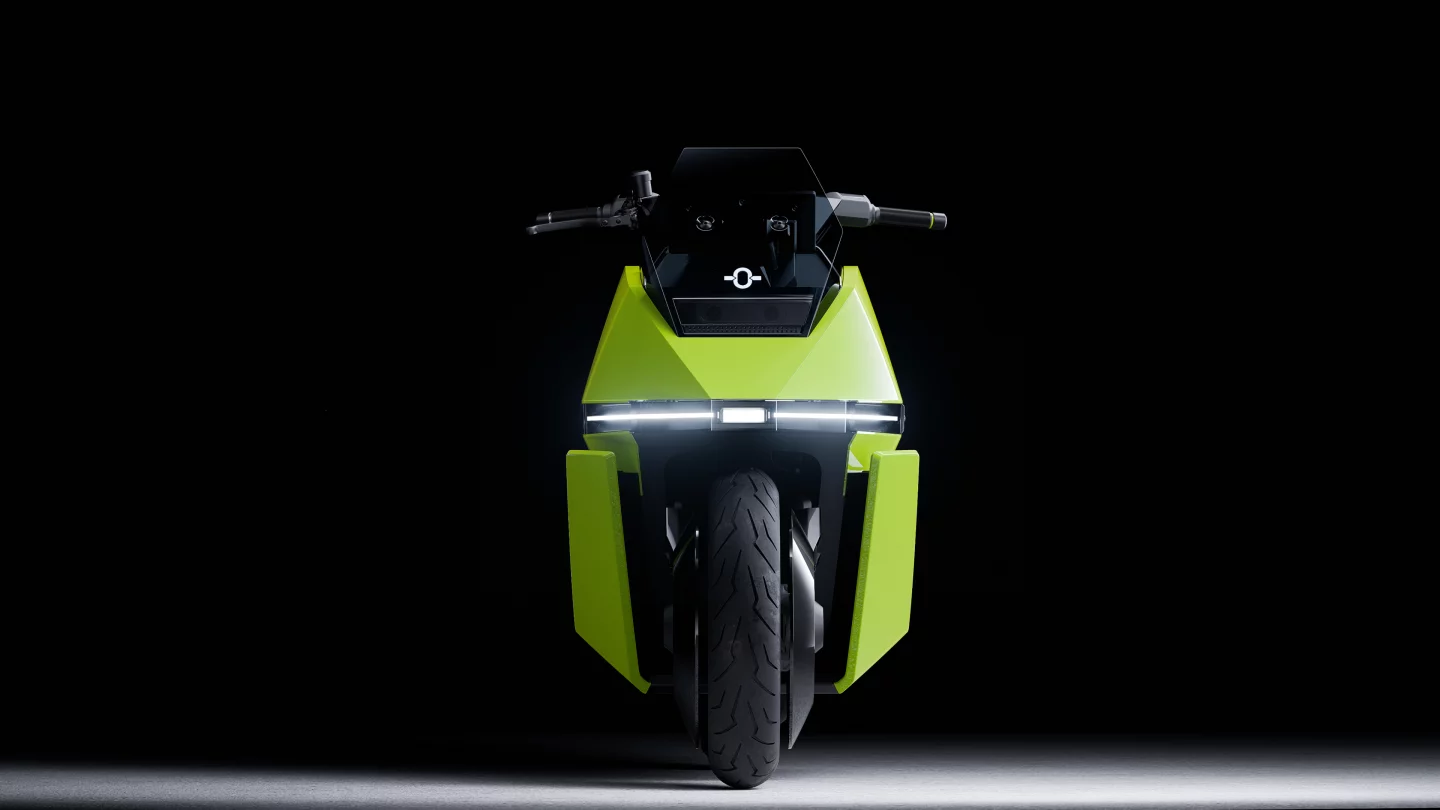
It combines hardware, software, and sensors to turn a scooter into a "two-wheeled robot." Cameras and sensors record the environment, high-performance processors handle that data, and a physical stabilization system keeps things balanced.
That high-precision stabilization device is called the Control Moment Gyroscope, something you’d commonly find in spacecraft and satellite applications, and in this case actively stabilizes the motorcycle by rapidly adjusting angular momentum. This helps keep the two wheels upright at very low speeds or even when they’re brought to a halt. OMOWAY’s demonstration video shows the OMO X holding its own on a big seesaw, all without a rider.
This opens up the two-wheeled market to a completely new audience. Balancing a motorcycle has always been one of the biggest challenges for new riders. With tech like this, the barrier of entry to motorcycles practically disappears.
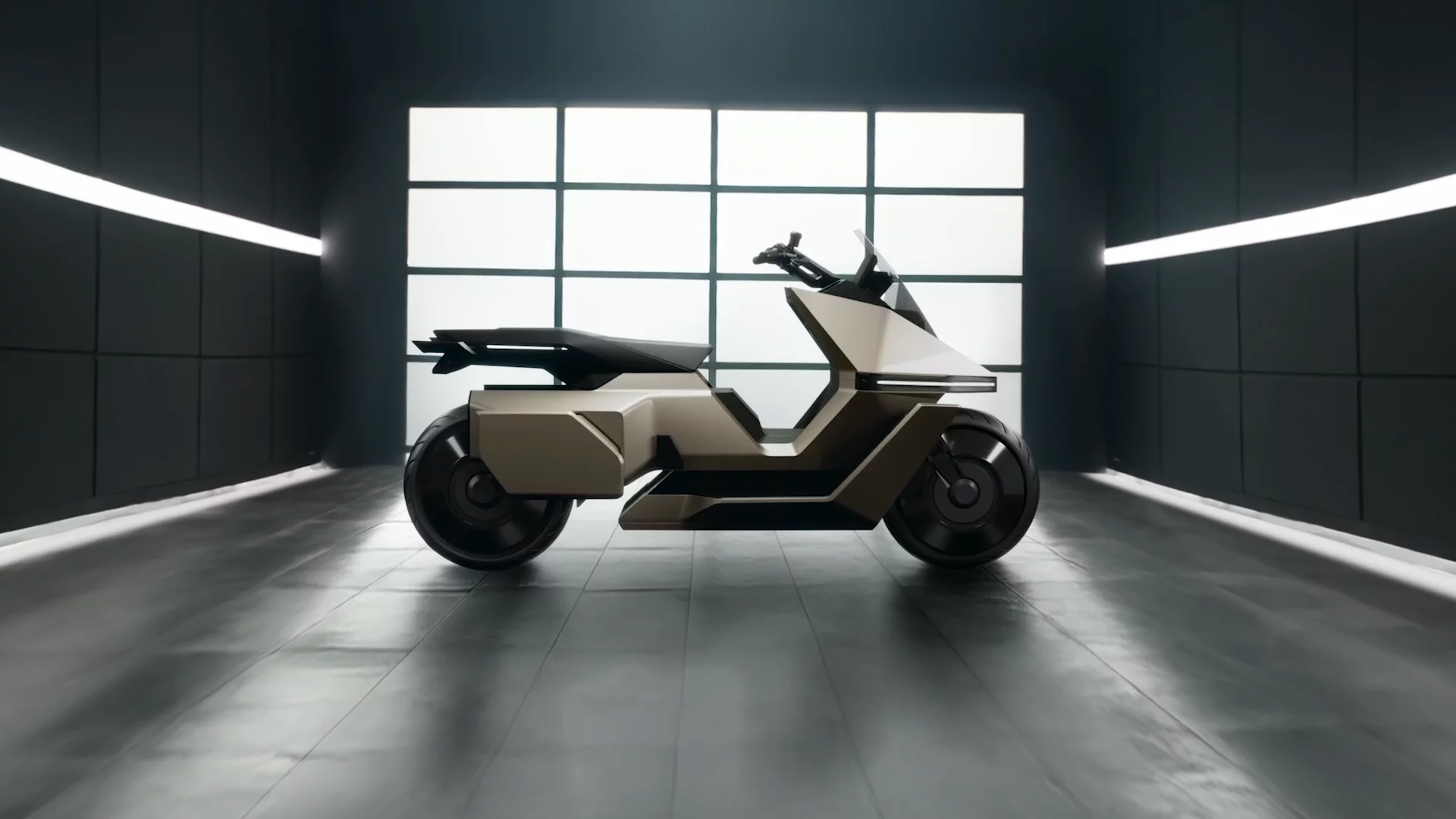
And that’s where the design of the OMO X makes a lot of sense. While OMOWAY calls it a motorcycle, it’s technically a scooter in its basic configuration. It’s a modular concept that lets you choose from three different configurations thanks to interchangeable body panels: a classic step-through scooter, a street version, and a touring variant with luggage options.
OMOWAY says that the OMO X additionally adjusts its gyroscope settings based on the chosen config to account for the altered weight distribution and anticipated speeds. We’re also told that the cloud-based technology can learn frequently traveled routes and proactively adjust stabilization to match the terrain.
The moto-scoot runs an electric drivetrain, though we don’t know much about the battery or the motor in there just yet. But we do know that the OMO X boasts a top speed of over 68 mph (110 km/h) and a WMTC range of around 125 miles (200 km).
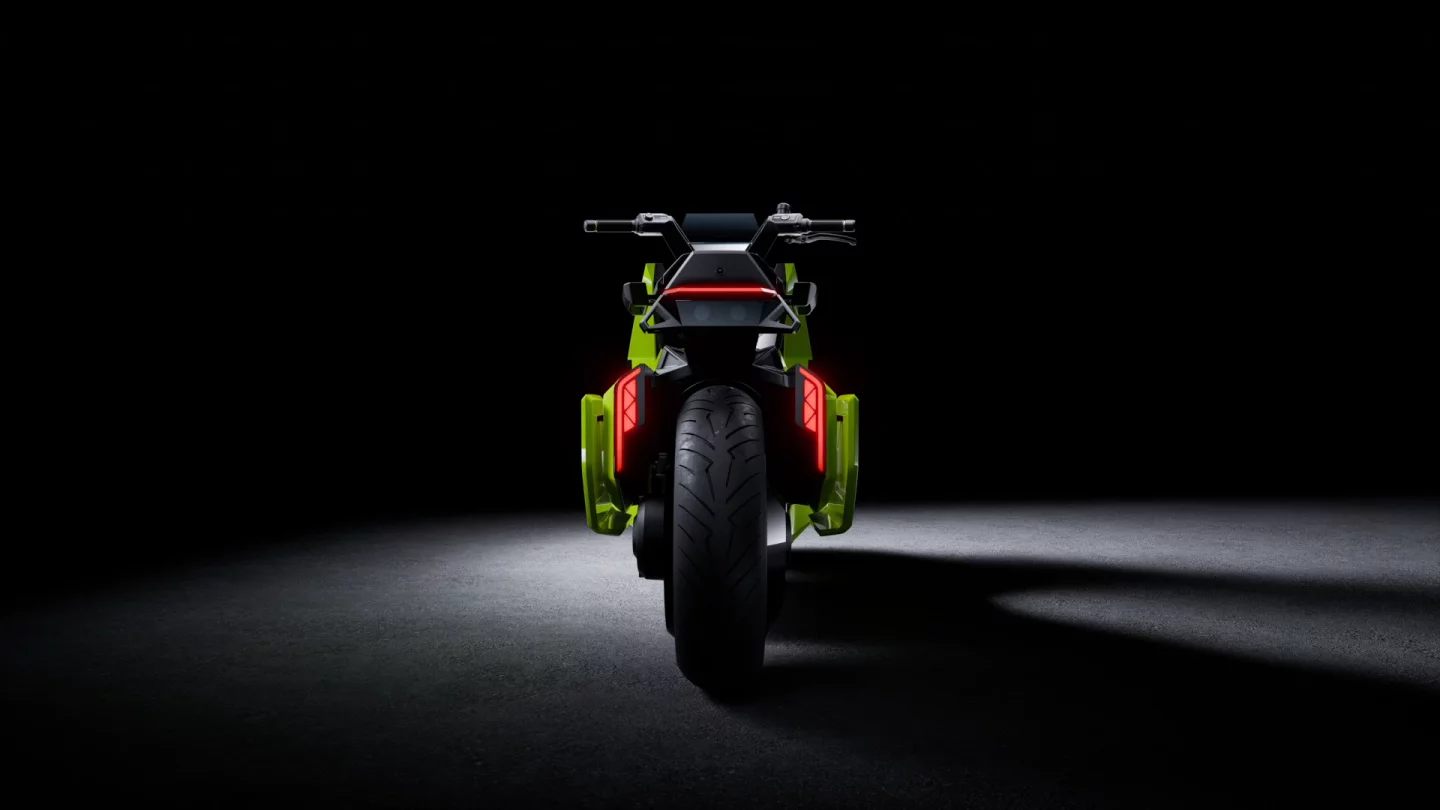
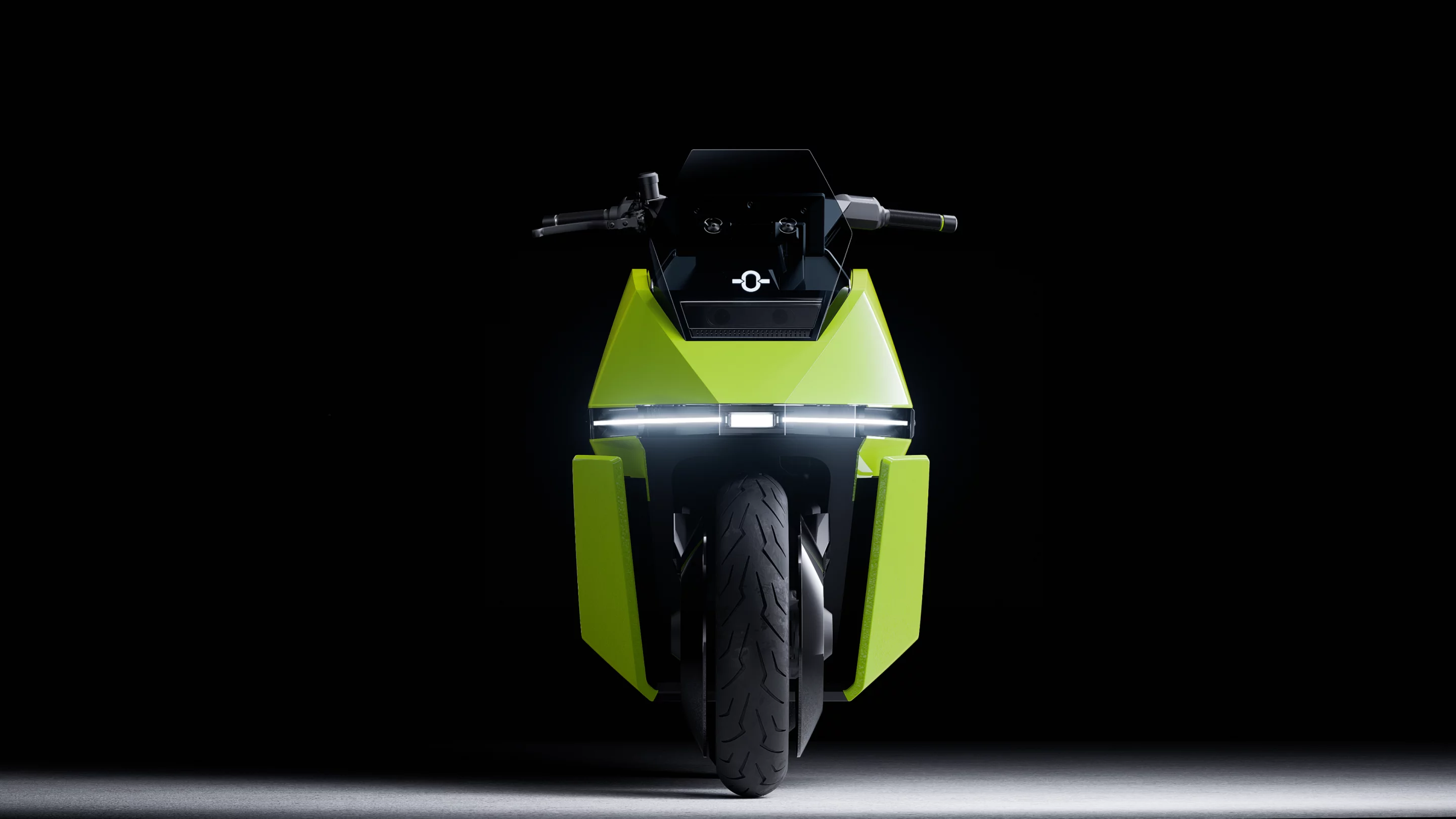
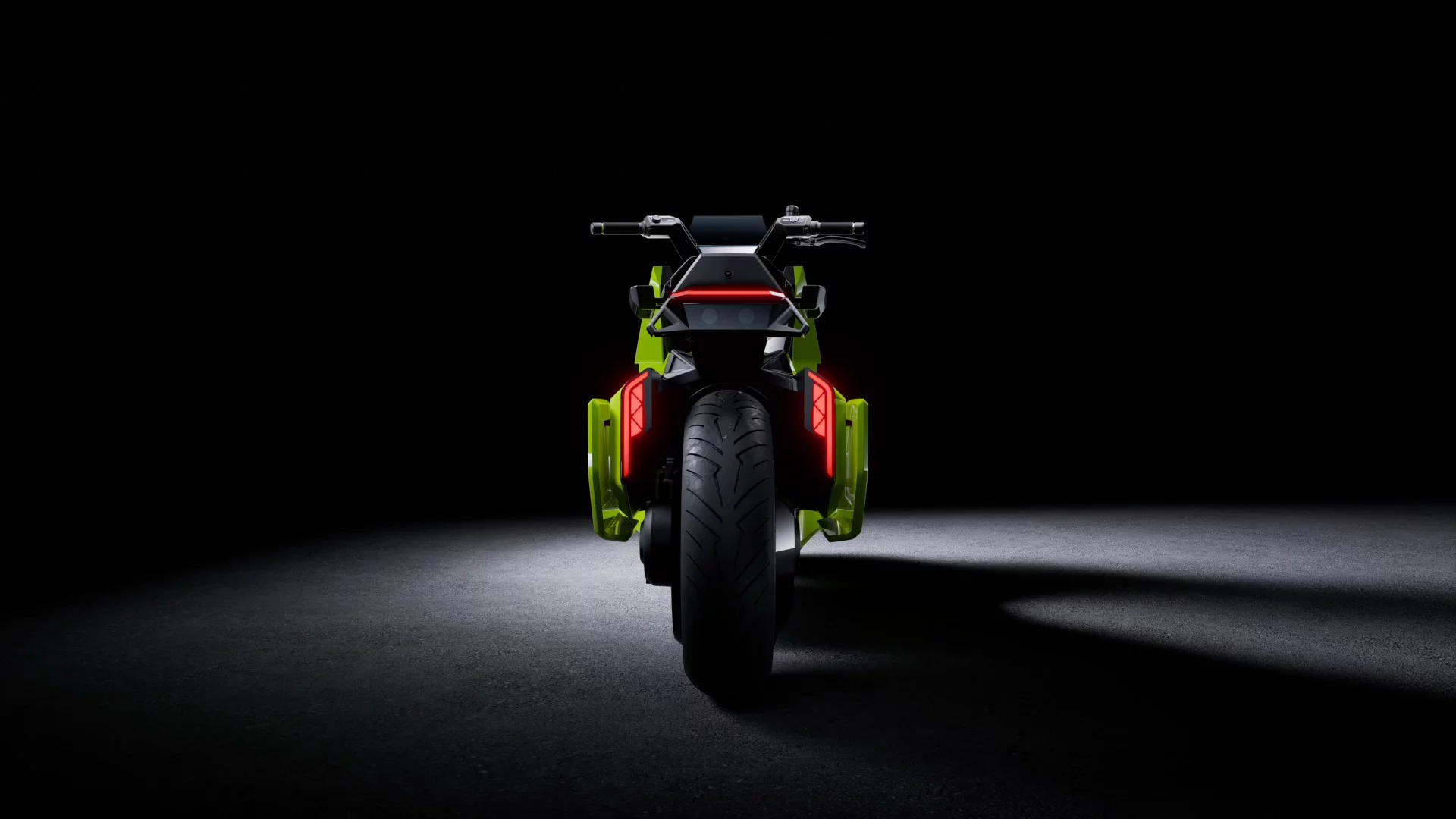
You get classic scooter styling with leg fairings and a useful windscreen. Angular lines run the length of the scooter with LED lighting all around. There's a continuous light strip at the front end, which the manufacturer calls “saberlights.” It all culminates at the rear, which sports the swingarm paired with a wide rear wheel and a floating seat. In fact, its modular styling has been so well received that it recently won a 2026 iF Design Award.
The design and the self-balancing tech aside, the OMO X is still pretty loaded for a scooter. It gets what the company calls the HALO Pilot that provides features like one-button parking capability, adaptive cruise control, and a summon feature that lets the scooter drive itself to the rider – features that were previously primarily limited to cars.

On top of all that, OMO X also features “full active safety” that helps with turns, stops skidding on wet roads, and responds to unexpected obstructions in milliseconds. This system leverages the e-scooter's cameras to scan the surroundings in all directions, alert you of any vehicles in your blind spot, and automatically engage emergency braking if you are distracted. All controlled via the 10.25-inch display.
In addition, the OMO X also gets vehicle-to-vehicle connectivity, and a digital key. And get this: to charge, the scooter can simply park over a suitable charging pad without the need for a cord.
But before you get your checkbooks out, do note that OMOWAY isn’t close to a worldwide rollout just yet. The company plans to open pre-orders for the OMO X in Indonesia in late April, with an official market debut slated for late May.

As for pricing, there's no official word yet, although widespread rumors pin it around the US$3,800 (about €3,540) price point. If that does turn out to be true, it’ll slot perfectly between entry-level electric scooters and the likes of BMW CE 04, which obviously doesn’t come stuffed with tech like this. And if that’s the case, I see only one clear winner.
Source: OMOWAY