

From a CRISPR baby to a young AI disruptor, 2025 has seen some serious leaps in science and technology. It's also seen some people stand up to the growing pressures facing the science community. Now, the world's leading science journal, Nature, has named 10 prominent figures behind the year's standout moments, which stretch from the darkness of the deep sea to the far corners of the universe.
Mengran Du – "Deep diver"
Discovered the deepest known animal ecosystem on Earth
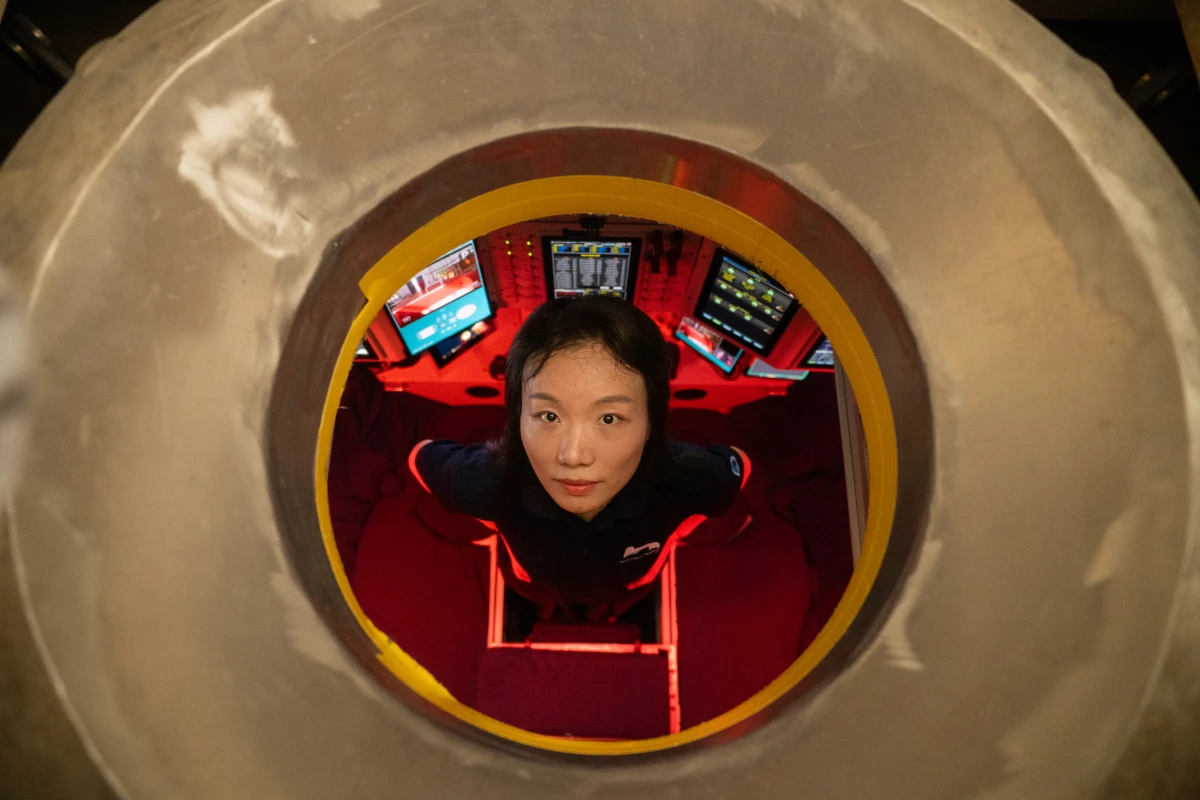
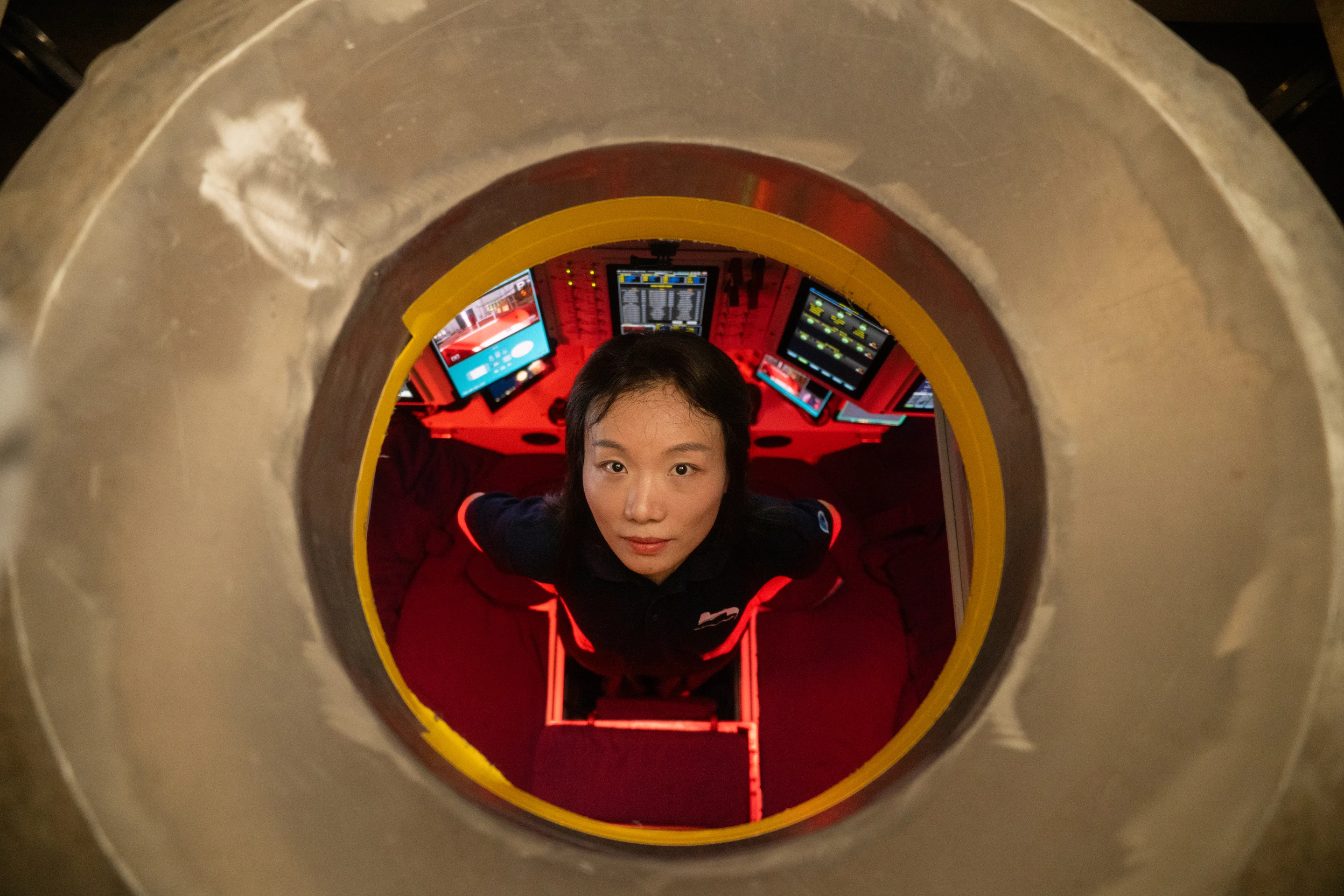
During an ocean dive to nearly six miles (10 km) below the surface in China's Fendouzhe submersible, Mengran Du witnessed a scene no scientist had ever seen – an entire animal ecosystem thriving in the hadal zone, illuminated by the submersible’s lights. Du identified bristleworms, gastropods, clams, tubeworms and other organisms living in the extreme depths, supported not by sunlight but chemosynthetic microbes drawing energy from methane and sulfide seeping through the ocean floor. Her expertise enabled immediate identification of multiple new deep-sea species. Subsequent expeditions revealed similar ecosystems in other trenches, suggesting a vast global network of deep chemosynthetic communities we're only just beginning to learn about. The discovery has reshaped our understanding of energy flow, biodiversity and habitability in Earth’s deepest and darkest environments.
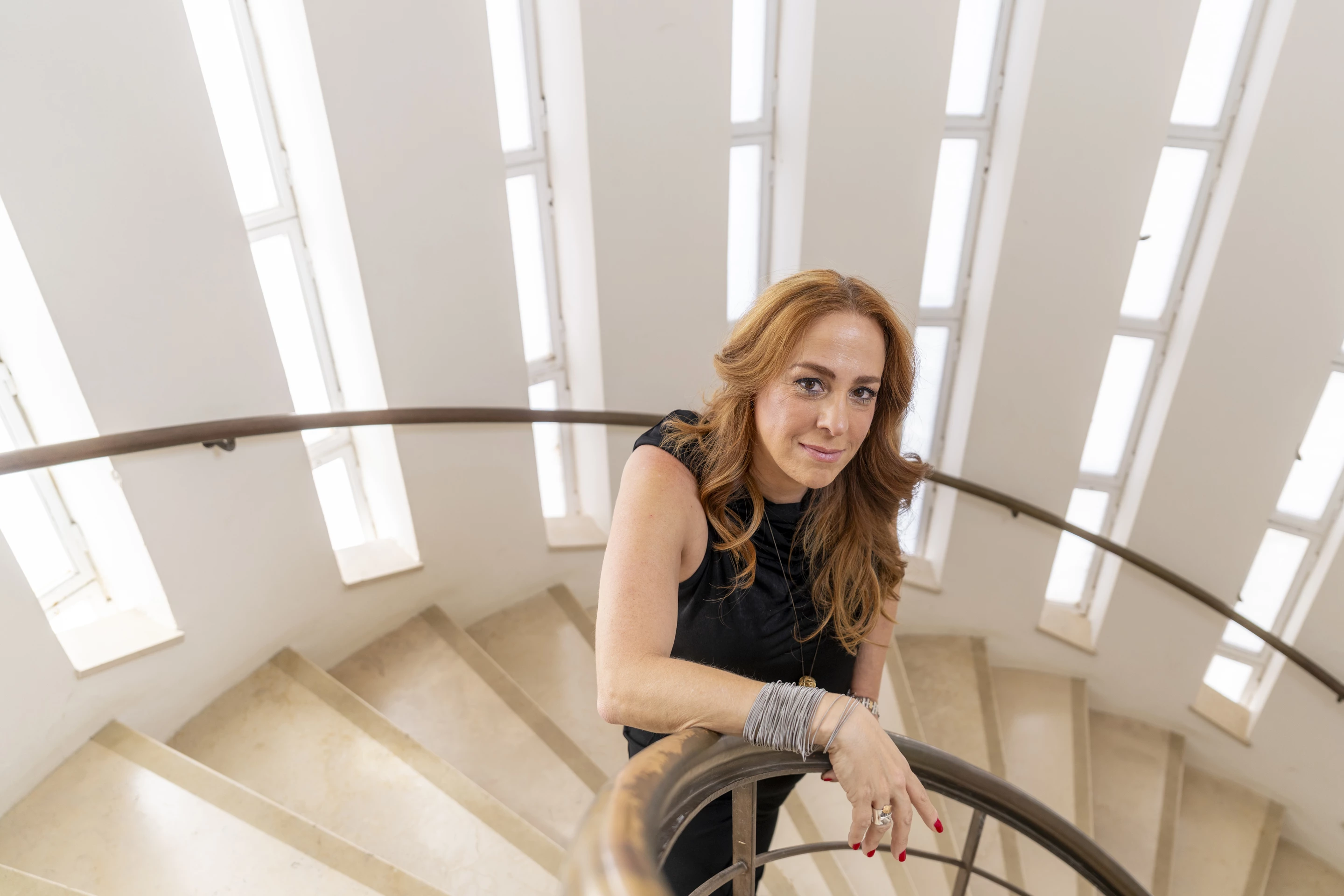
“As a diving scientist, I always have the curiosity to know the unknowns about hadal trenches,” said Du (pictured above), a geoscientist at the Chinese Academy of Sciences’ Institute of Deep-sea Science and Engineering. “The best way to know the unknown is to go there and feel it with your heart and experience, and look at the bottom with your bare eyes.”
Susan Monarez – "Public-health guardian"
Fired after refusing to compromise scientific standards

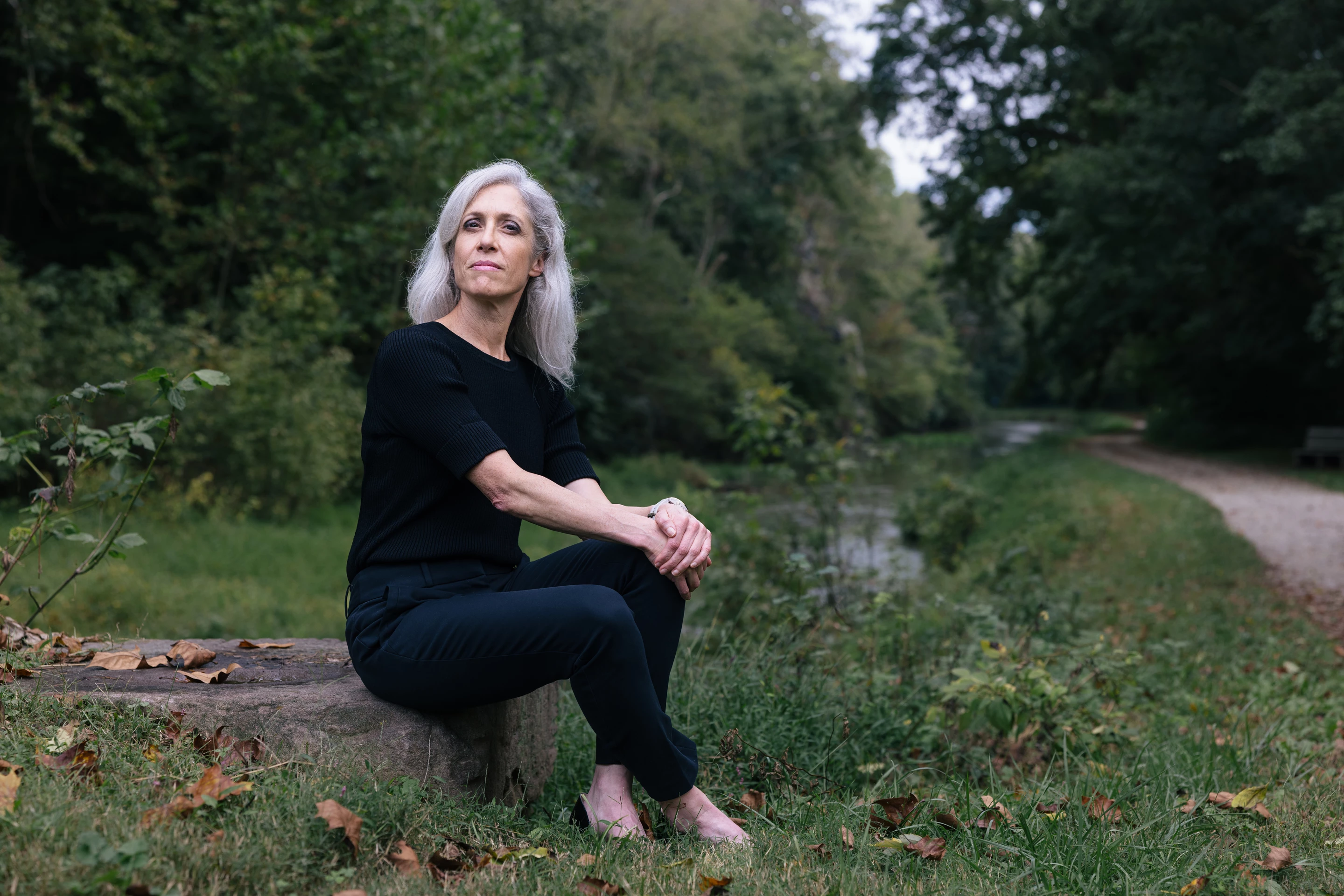
Microbiologist and immunologist Susan Monarez started the year as director of the US Centers for Disease Control and Prevention (CDC), where she was welcomed by researchers who hoped her two-decade-long career as a non-partisan government scientist would be a guiding light in challenging times. But less than a month into the job, she was abruptly dismissed after refusing to pre-approve vaccine guidelines without scientific review and resisting pressure to fire key CDC scientists. Monarez’s testimony before US Congress in August made clear that she regarded her stance as a defense of scientific evidence, not a political act.
“Susan has long established herself as someone who puts evidence in service of the country above all,” says Jennifer Nuzzo, an epidemiologist and director of the Pandemic Center at Brown University. “Susan did what any self-respecting scientist would do. No self-respecting scientist would agree to just rubber-stamp things without first scrutinizing the scientific evidence.”
Achal Agrawal – "Research integrity"
Exposed widespread misconduct in Indian academia
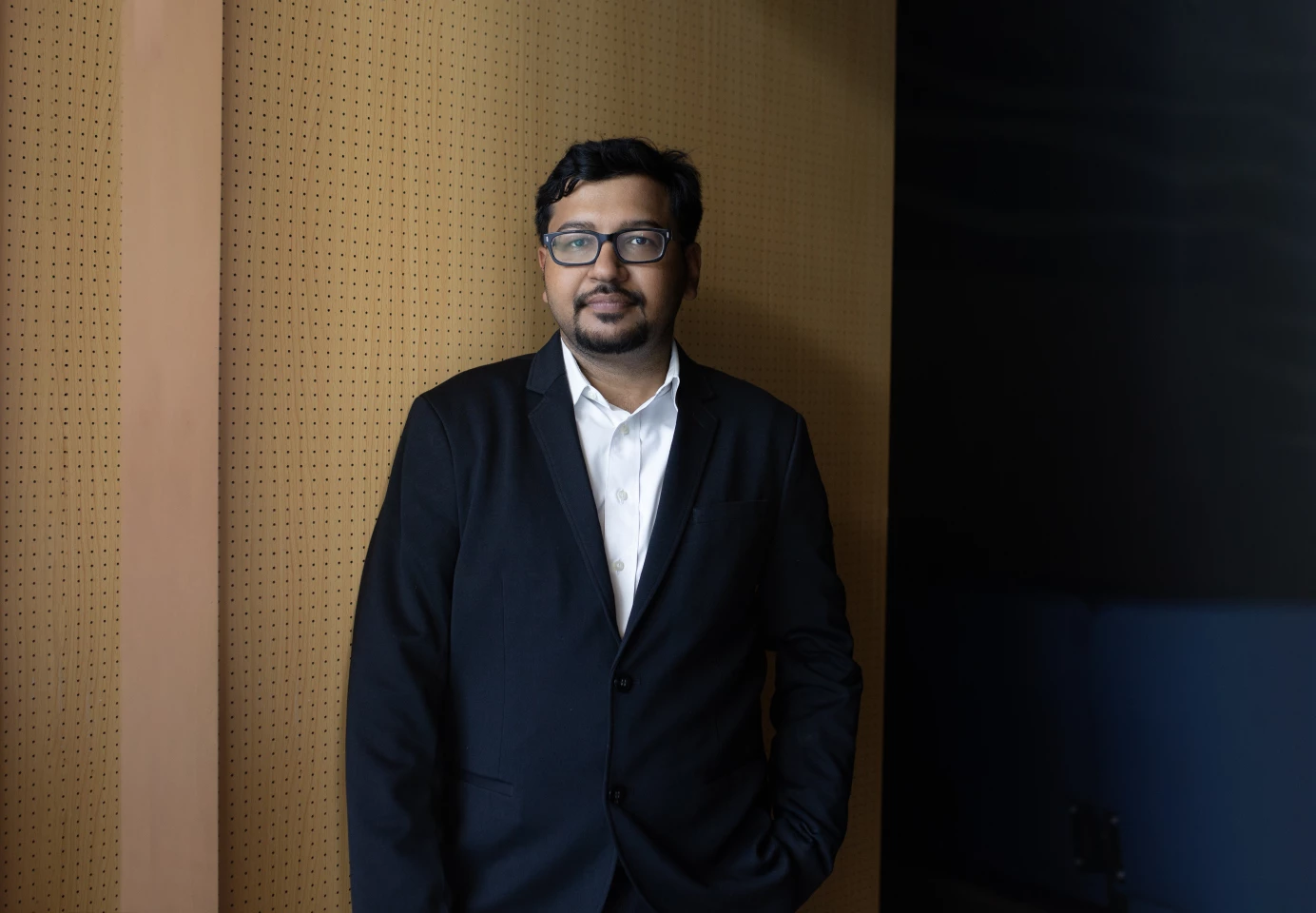
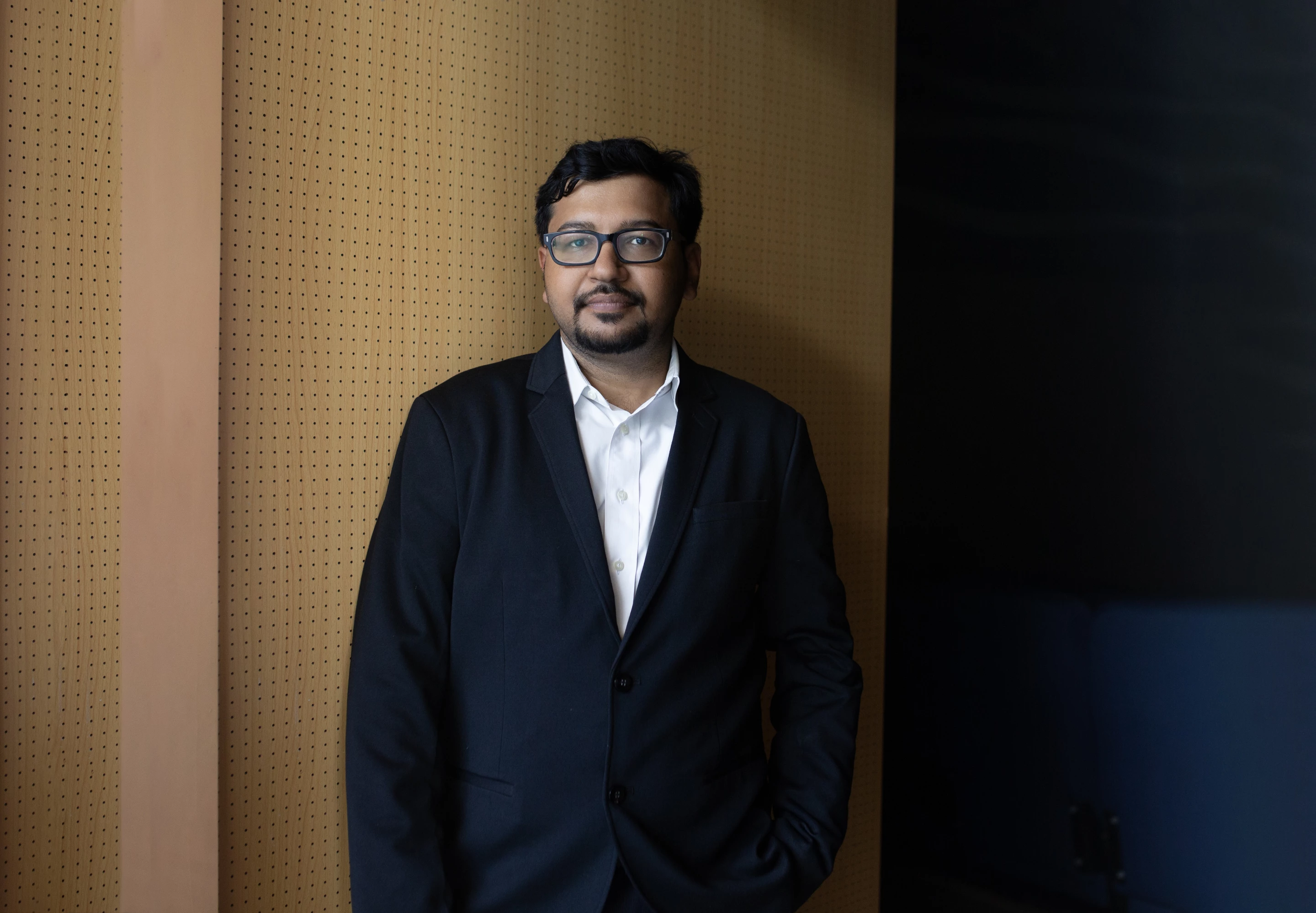
Achal Agrawal’s work began with a conversation with a student about paraphrasing software – and led him to uncover systemic problems in India’s research culture. Shocked by how routine plagiarism and paper-milling was, he resigned from his university position and dedicated himself to documenting research misconduct. Through India Research Watch (IRW), an online integrity watchdog he founded, Agrawal has documented retractions, exposed fraudulent processes and built a whistleblower community with tens of thousands of followers. His relentless, unpaid work has resulted in the Indian government imposing the first-ever penalties for institutions whose researchers accumulate large numbers of retractions – which in turn affects how Indian universities are ranked and funded. His activism, however, has come at a cost – including a lawsuit and difficulty finding employment – but Agrawal continues fighting the good fight, training universities in better research practices. IRW now reportedly receives around 10 tips a day.
Tony Tyson – "Telescope pioneer"
Created the Vera Rubin Observatory
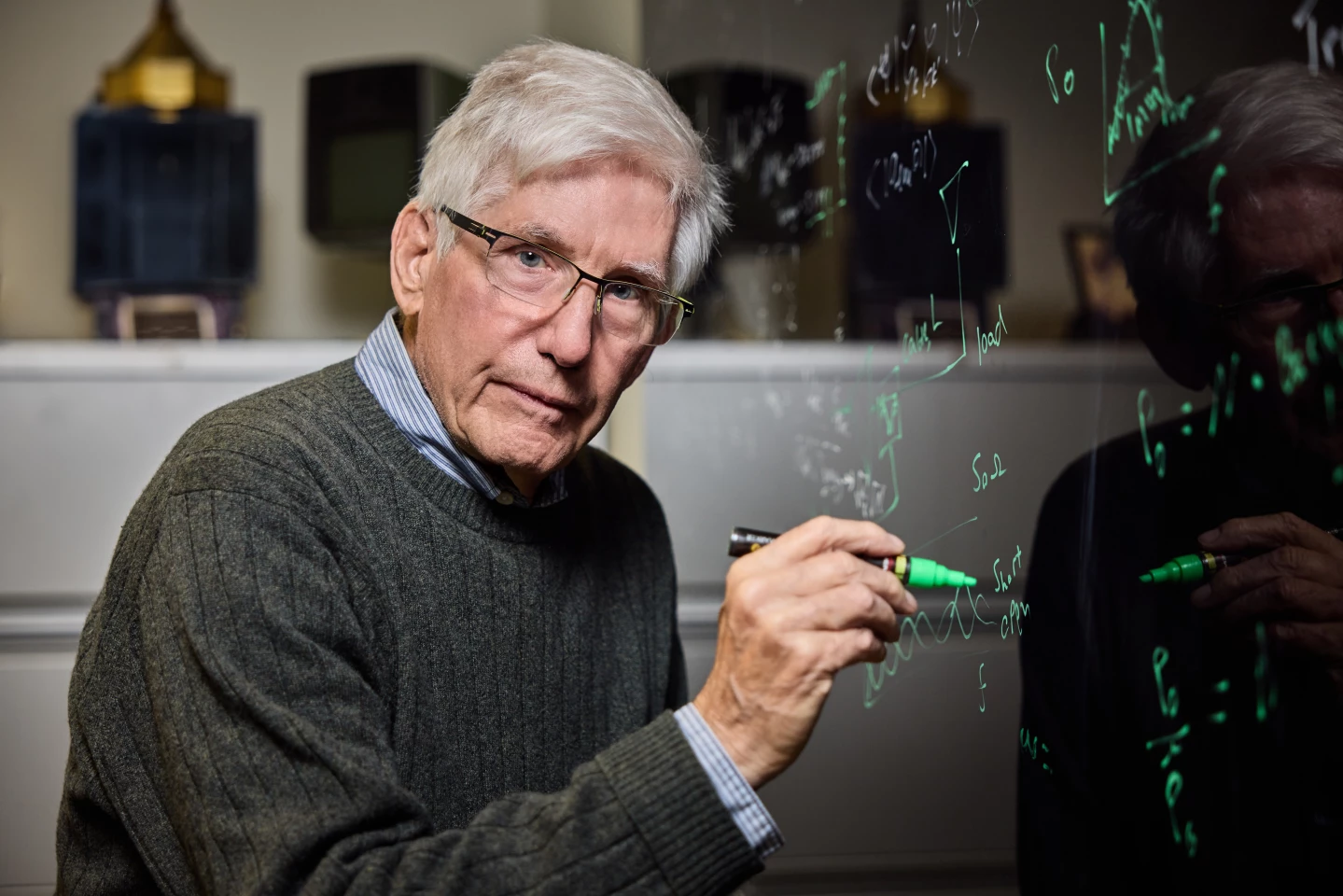
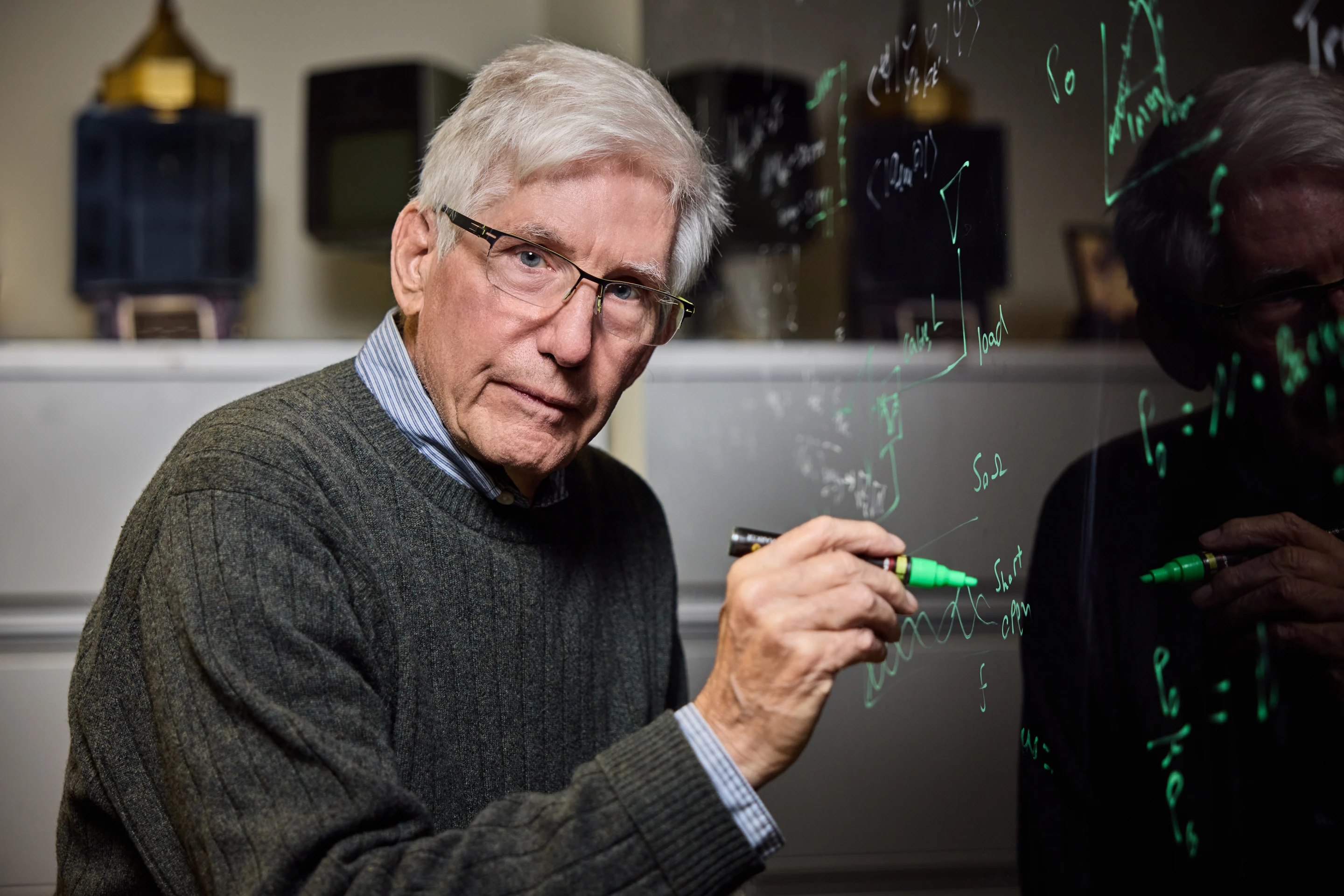
Tony Tyson has spent more than 30 years imagining and building a telescope capable of recording the changing universe in real time. In 2025, he finally watched the first images of thousands of galaxies arrive from the Vera Rubin Observatory atop Cerro Pachón in the Andes, Chile. Tyson’s vision began decades earlier, when he recognized the power of early charge-coupled devices (CCDs) for mapping faint galaxies and developed methods to detect dark matter through weak gravitational lensing. His proposals were initially dismissed as too ambitious, but he persisted, designing the Rubin Observatory’s enormous, ultra-fast imaging system and its 3,200-megapixel camera. Now, at 85, Tyson continues to fine-tune the telescope as it prepares to survey the southern sky repeatedly over 10 years, mapping dark matter, tracking asteroids and capturing cosmic events in unprecedented detail.
“It was high-risk, high-reward. We took the risk,” said Tyson, a physicist at the University of California, Davis, of his US$810-million, life-long pet project.
Precious Matsoso – "Pandemic negotiator"
Architect of the world’s first pandemic treaty
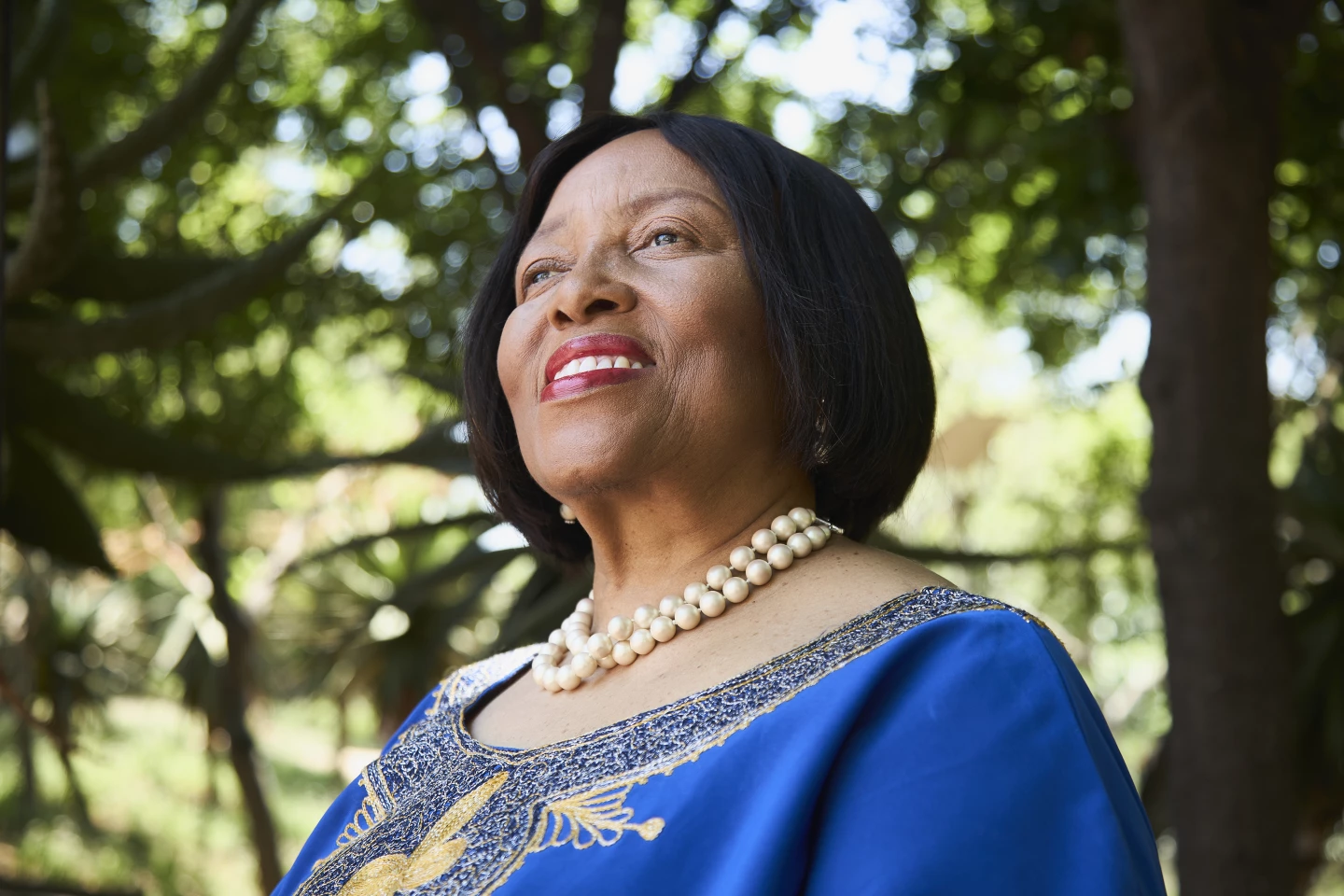
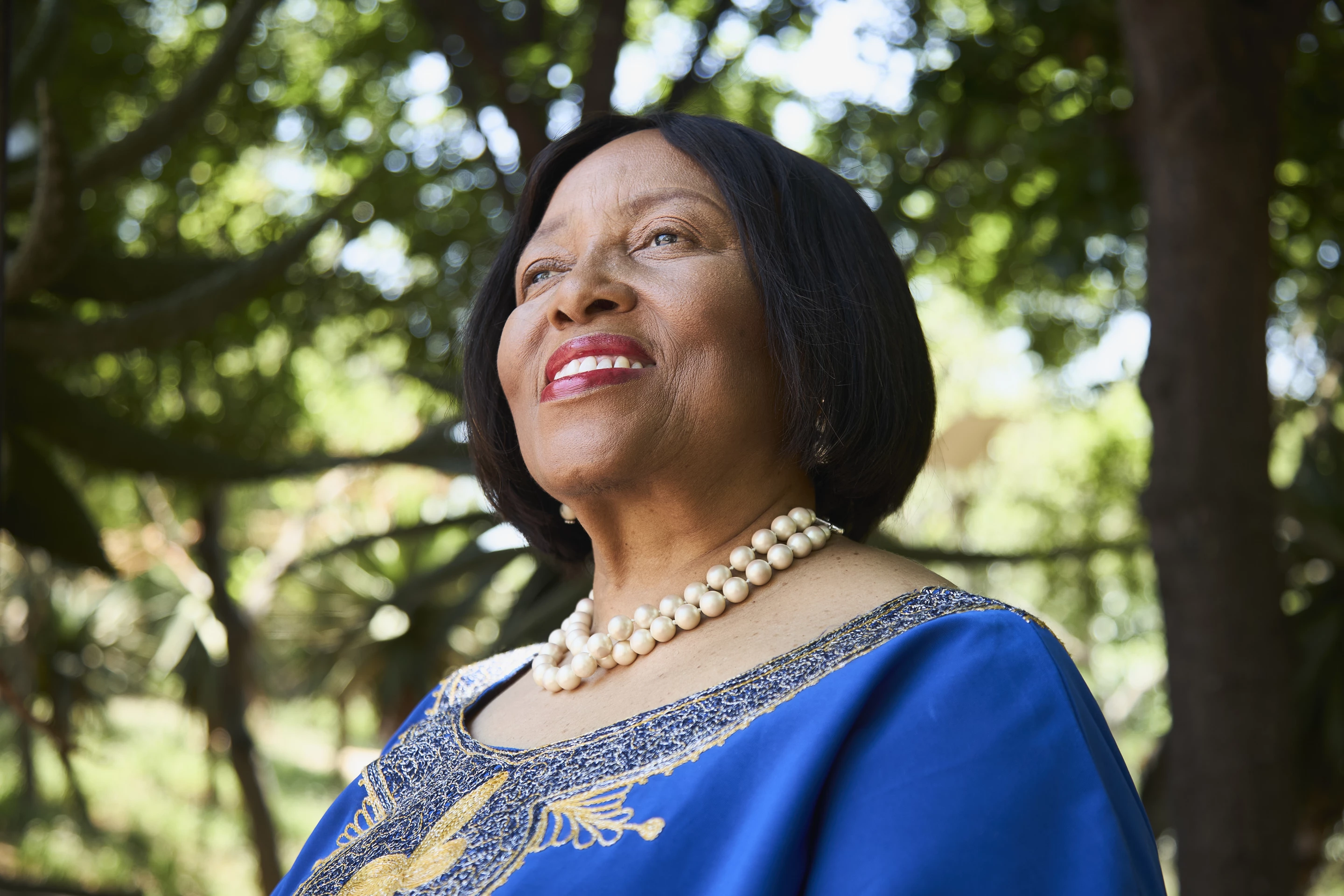
As geopolitical tensions strained global cooperation, South Africa's former health department director-general Precious Matsoso guided 190 nations toward an agreement many believed impossible: the world’s first pandemic treaty. After years of negotiations, nations reached consensus on the treaty in April. Matsoso’s decades of experience expanding access to medicines – including HIV treatments at home in South Africa – proved crucial as she balanced demands from high- and low-income countries. Her insistence on compromise, combined with warmth (including singing “All You Need Is Love” to delegates), helped push difficult discussions forward. The treaty includes provisions for data sharing, access to medical countermeasures and technology transfer to poorer countries. Although the treaty's implementation will take years and ratification requires political involvement, the agreement would not exist without Matsoso steering the ship.
“If it were not for her, we might not have a pandemic agreement," said Lawrence Gostin, a legal scholar at Georgetown University who advised the World Health Organization (WHO) on the treaty.
Sarah Tabrizi – "Huntington's hero"
Delivered the first strong clinical evidence that gene therapy can slow Huntington’s disease

British neurologist and neuroscientist Sarah Tabrizi has published more than 420 peer-reviewed publications, and this year pushed treatment for Huntington's disease (HD) to the next level, spearheading research on the gene therapy AMT-130. The drug, delivered directly into the brain using viral vectors, was shown to reduce the rate of disease progression by 75% in people who received high doses. It was the most promising clinical result ever achieved for the fatal hereditary brain disorder. Tabrizi has led or advised nearly every major therapeutic program in the field, and her expertise helped shape the design of clinical trials. She is now guiding the evaluations of multiple next-generation treatments that lower levels of the toxic huntingtin protein that causes Huntington's, as well as studying early brain changes in pre-symptomatic carriers to identify the ideal intervention window. Her work has re-energized a field that has been long marked by setbacks, offering genuine hope that HD may one day be preventable.
“Sarah is amazing,” said Hugh Rickards, a neuropsychiatrist at the University of Birmingham. “She’s the spider in the middle of the web. You name a disease-modifying therapy in HD – she’s got her hand on it somewhere.”
Luciano Moreira – "Mosquito rancher"
Revolutionized mosquito-based disease control across Brazil
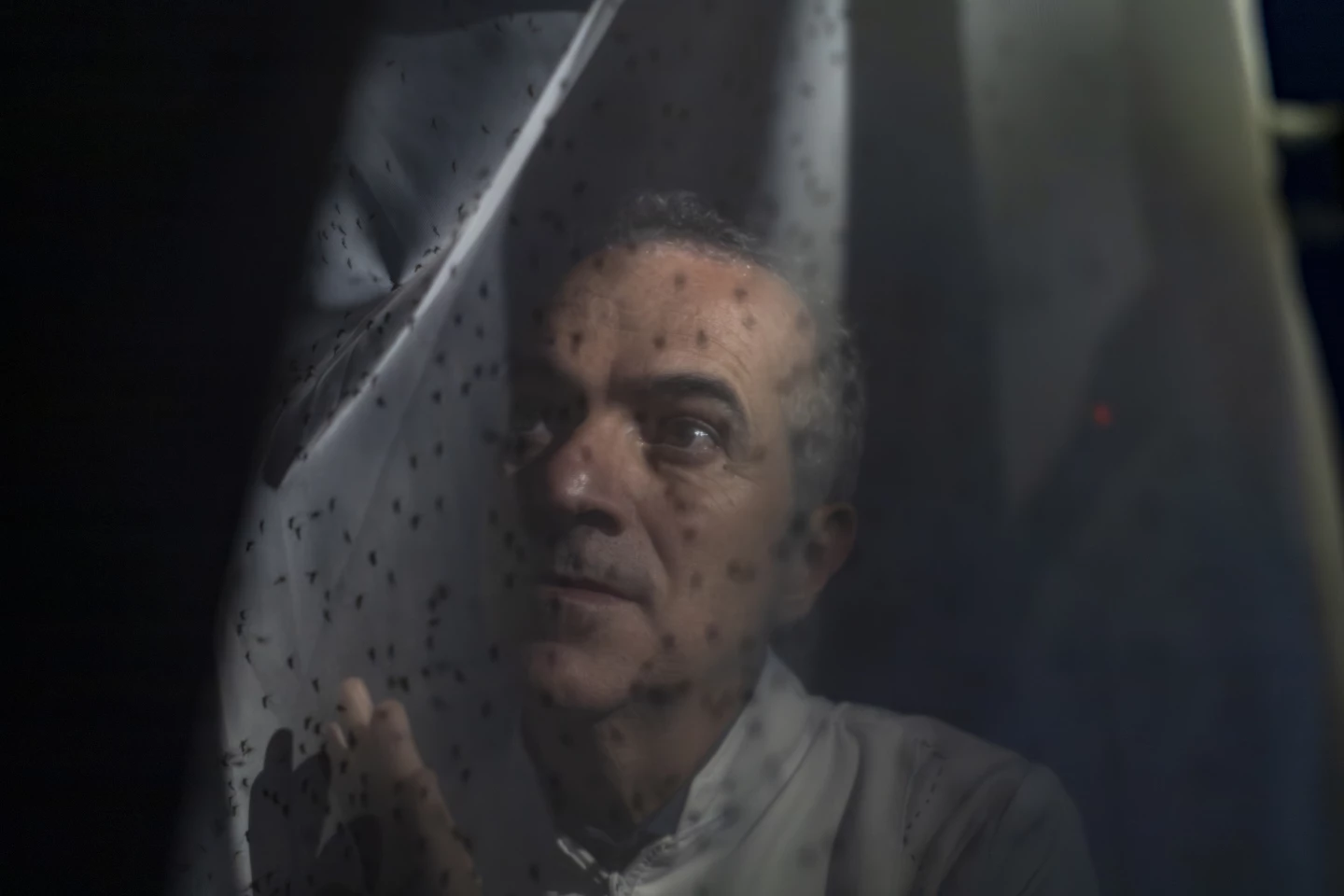
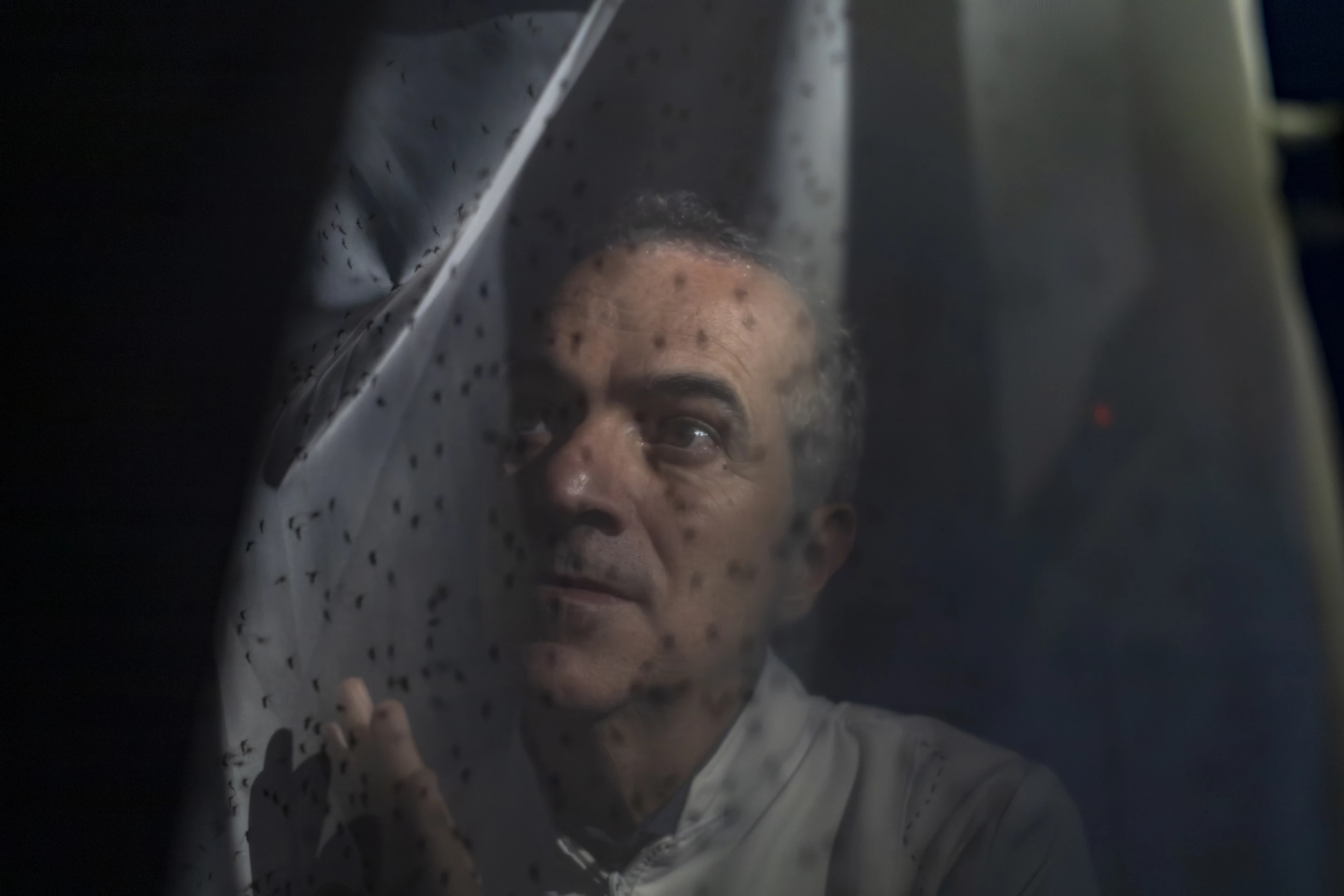
Luciano Moreira has transformed an experimental mosquito-control method into a nationwide public-health program in Brazil. By breeding Aedes aegypti mosquitoes infected with Wolbachia bacteria – which dramatically reduces transmission of dengue and other viruses – he helped Brazil adopt the strategy as an official tool in fighting mosquito-borne disease. His work covers novel research, field trials, political campaigning and industrial-scale implementation. The mosquito factory he launched in Curitiba now produces more than 80 million eggs per week and aims to release five billion Wolbachia-carrying insects – "Wolbitos," if you will – per year. Early deployments in cities such as Niterói have now reduced dengue fever by nearly 90%. Moreira is now running the Wolbito do Brasil facility, leading a team of 75 as the technology continues to be scaled up and expanded to more regions.
“He has succeeded not only in carrying out the academic work, running experiments to demonstrate the model’s effectiveness, but also in convincing political decision-makers to implement the technology,” said Pedro Lagerblad de Oliveira, a molecular entomologist at Brazil’s Federal University of Rio de Janeiro. “This is a skill that not all scientists have.”
Liang Wenfeng – "Tech disruptor"
Built DeepSeek, creator of the open-source R1 reasoning model
Liang Wenfeng, 40, took the US AI powers by surprise when his company DeepSeek released the R1 model – a powerful, cheap reasoning-focused large language model (LLM) that allowed anyone to study or build on it. Trained at a fraction of the cost of its big competitors from the likes of OpenAI and Google, and released with full technical transparency, R1 became the first major reasoning LLM to undergo peer review. Liang, a former hedge-fund co-founder, had spent a decade buying up 10,000 all-important Nvidia GPUs before US export controls hardened, forming DeepSeek in 2023. The success spurred other companies to open their models and shifted perceptions of China’s AI landscape from imitator to innovator. The company has just launched DeepSeek-V3.2 and DeepSeek-V3.2-Speciale, two reasoning-first models that are once again earning high praise.
Yifat Merbl – "Peptide detective"
Uncovered a hidden antimicrobial system inside the proteasome
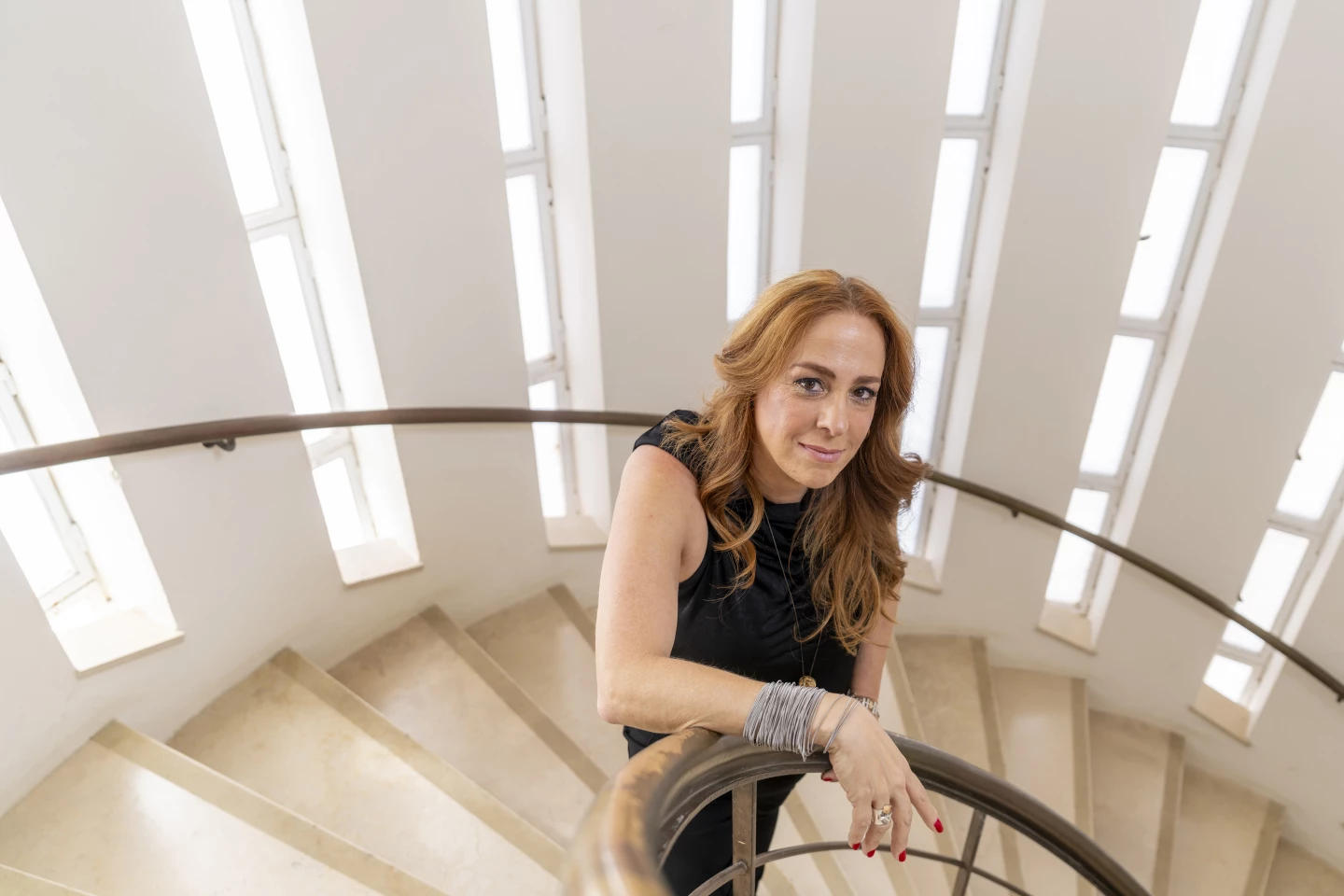
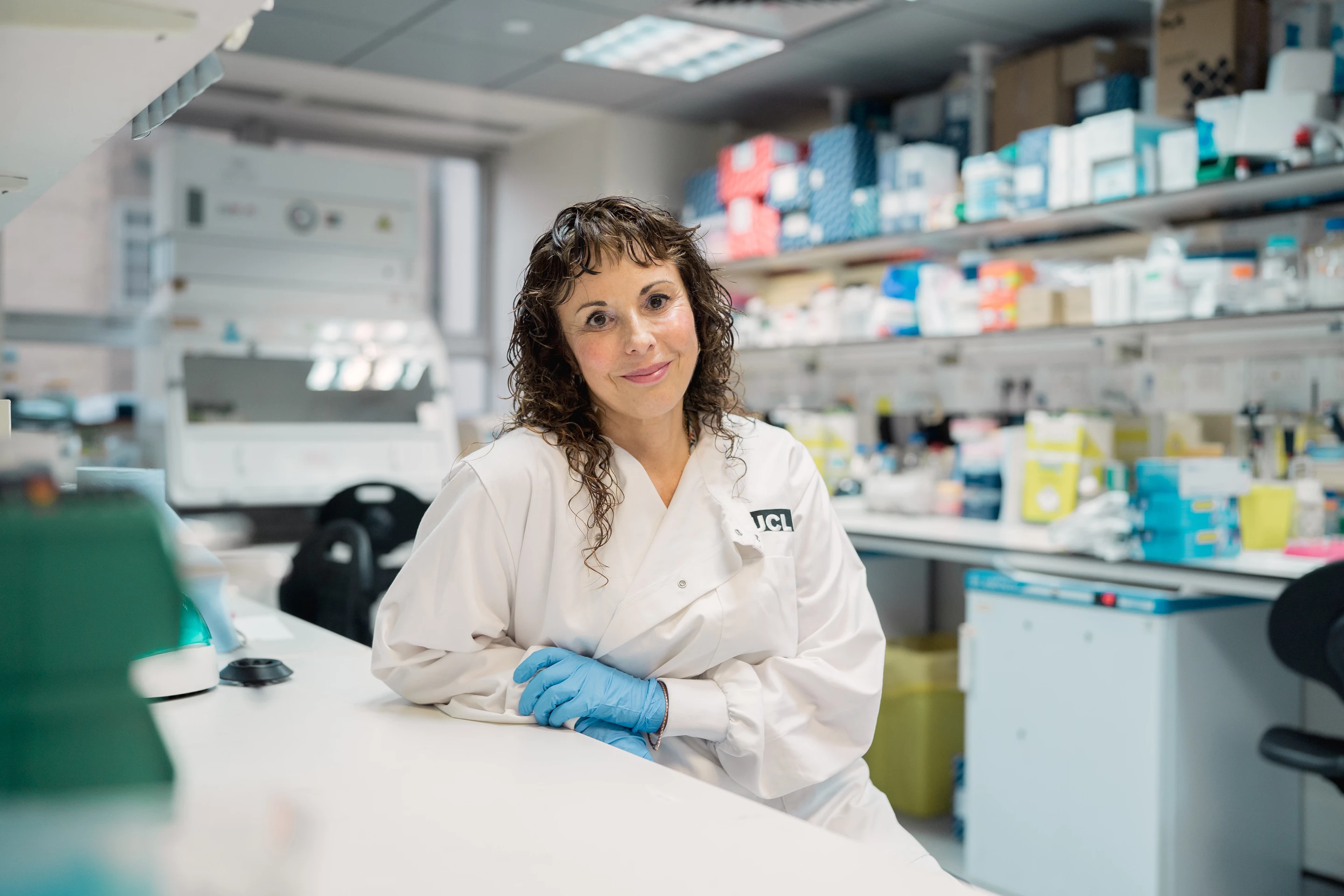
Systems biologist Yifat Merbl discovered an entirely new facet of the immune system by investigating what she calls “the garbage cans of cells.” Using mass spectrometry to examine peptides produced by large protein complexes in cells called proteasomes, she and her team found that many fragments had antimicrobial properties. Further experiments showed that proteasomes change their configuration during bacterial infection to favor production of these defensive peptides, revealing a previously unknown immune pathway. The discovery suggests that ordinary cellular proteins may have multiple hidden immune roles once processed by proteasomes, with more than 270,000 possible antimicrobials at play. Merbl made the discovery despite her lab beyond destroyed in June by an Iranian ballistic missile attack that hit Israel's Weizmann Institute of Science.
KJ Muldoon – "Trailblazing baby"
Received the world’s first hyper-personalized CRISPR therapy
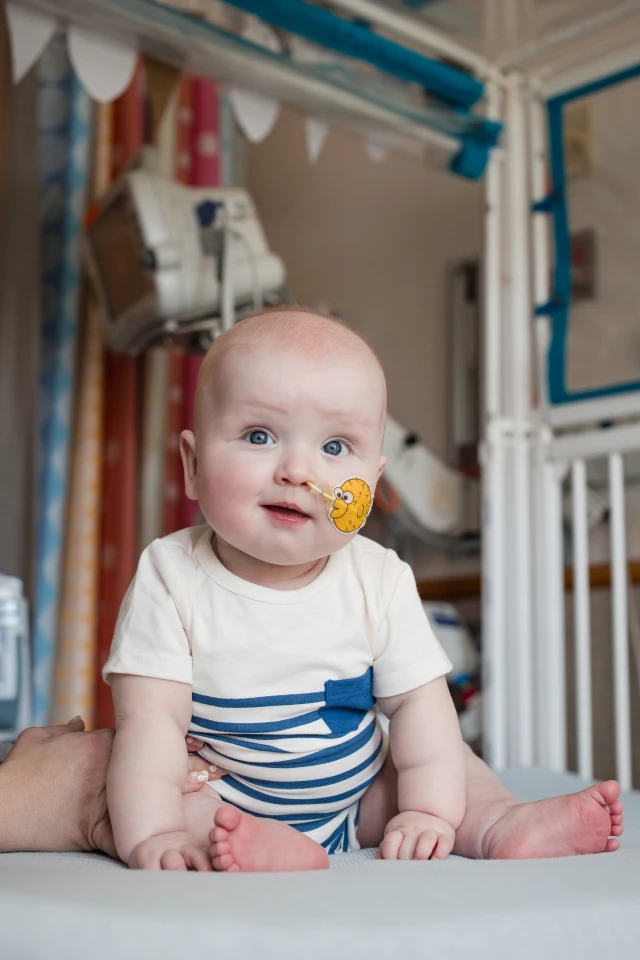
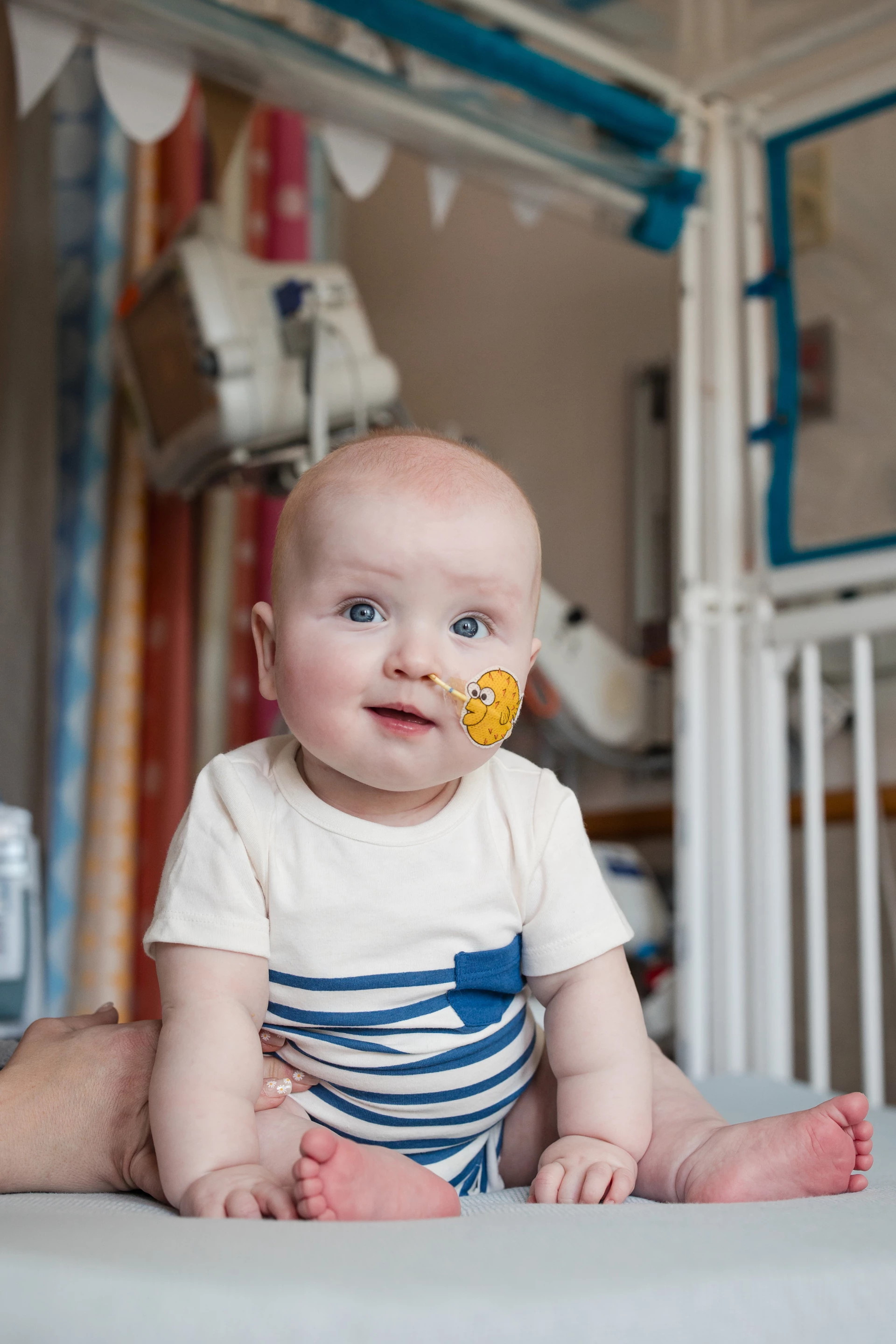
KJ Muldoon became the face of a new era in genetic medicine when, as an infant, he received the first CRISPR-based therapy designed for a single patient. Born with a deadly metabolic disorder caused by a single-letter DNA mutation, Muldoon was treated with a custom base-editing system tailored specifically to correct his unique error. A large team developed the therapy in a record six months and delivered it through three infusions beginning in February 2025. The infant's tolerance for dietary protein improved, his ammonia levels stabilized and, after spending his first 307 days in hospital, he was able to go home. It demonstrates both the promise – as well as the immense logistical and financial challenges – of individualized genome editing. Researchers are now racing to adapt the approach for more children with rare diseases.
Source: Nature