
Aarhus University
-
 Sleeping while wired up with an EEG cap would be hard enough here on Earth, but can you imagine trying to do so in the zero-gravity environment of outer space? It could be quite awkward, which is why an earbud has been designed to do the same job.
 -
 No matter what humans come up with, chances are nature has already done a better job. Now researchers have discovered the latest example – beetles naturally lubricate their knees with a strange substance that works better than Teflon.
 -
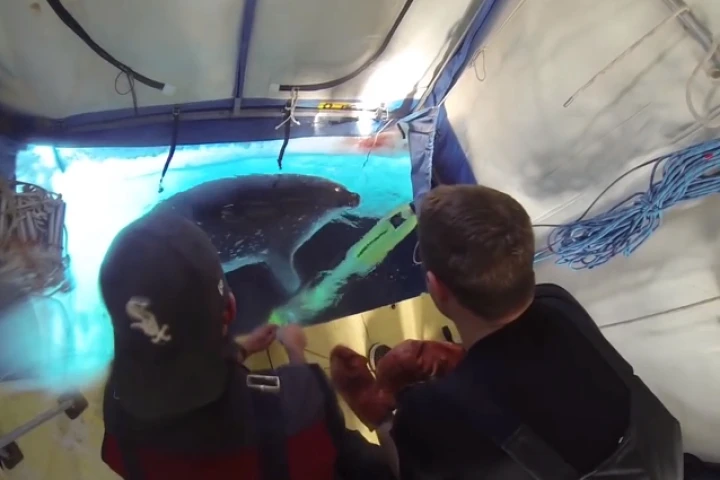 Every spring in Antarctica, mats of algae form on the underside of the sea ice. These mats serve as a food source for zooplankton, essentially kickstarting the food chain for the year. Scientists have set out to better understand the algae's distribution, using a high-tech underwater drone.
 -
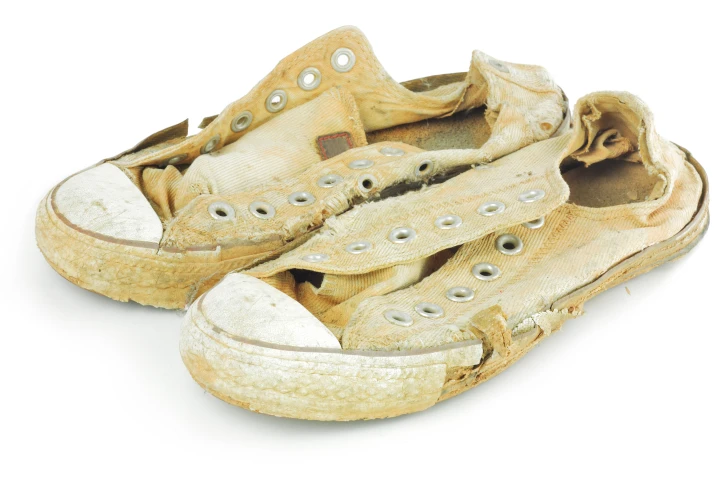 Novice runners wearing ordinary, non-supportive running shoes are at no greater risk of injury, even if they pronate or supinate (that is, their feet roll inward or outward as they run) according to new research out of Aarhus University in Denmark.