
Printable Electronics
-
 A desktop-sized 3D printer can now write working electronic circuits directly onto a broad range of surfaces without burning them. The secret is microwaves, focused with surgical precision onto a spot no wider than a human hair.
 -
 While the field of printable electronics holds much promise, the printing of circuits onto curved surfaces is still very challenging. A new technique simplifies the process of doing so, potentially allowing for new types of electronic devices.
 -
 Old electronics are tricky to recycle, meaning they clog up landfills while locking valuable metals away. Now scientists have demonstrated printed circuits that can be degraded on demand, returning their materials to reusable forms.
 -
 Anyone who uses a smartphone will be familiar with NFC technology, which is used for such things as contactless payments. To demonstrate the versatility of the technology when combined with printed circuitry, Prelonic has created the Paper Piano.
 -
 Eyeing solutions to our e-waste problem, engineers have developed the world's first fully recyclable printed electronics, demonstrated in a transistor that can be reduced to its original building blocks with the help of baths and sound waves.
 -
 New ultrathin solar cells boast a few advantages over others of their type. They're more efficient, made using more common elements, and can be inkjet-printed onto surfaces, making them light and flexible enough to power wearable electronics.
 -
 Researchers at MIT have invented a printing process that could turn a lot of potential breakthroughs, such as electricity-generating clothing and smart sutures, into an inexpensive reality.
 -
 Researchers at Georgia Tech have developed a new technique to print advanced, ink-based electrical circuitry on a desktop printer. The technique can produce flexible electrodes in 60 seconds with equipment and materials that cost less than US$300.
 -
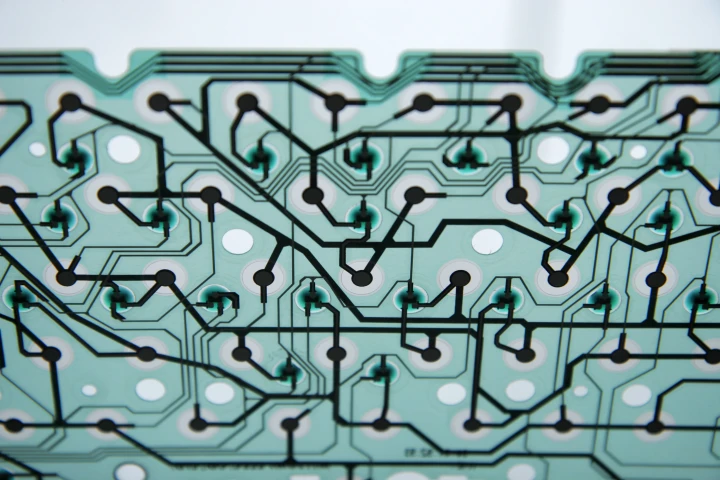 Changing the very nature of paper itself into conductive graphite creates paper-based circuit boards that are cheap and flexible.
 -
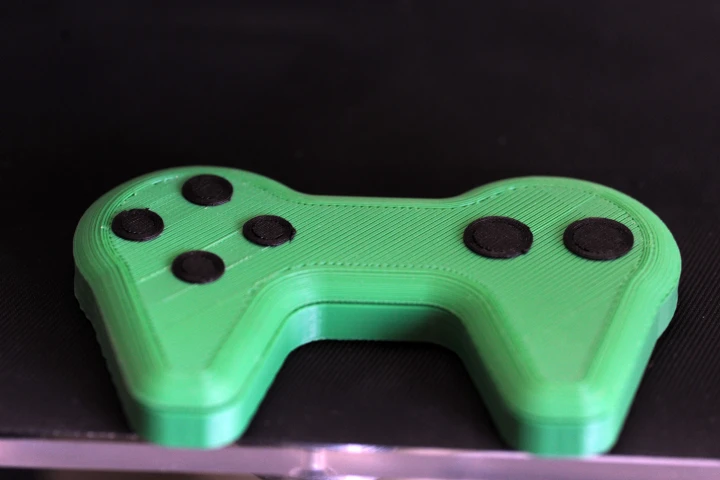 University of Warwick researchers have created a material that can be used to cheaply 3D-print simple functioning electronic devices.
 -
 Low-cost electronics printed on everything from plastic to fabric are possible thanks to the development of conductive silver ink developed by Xerox scientists.
 -
 Planon has released a highly portable (1" x 10.75" x 1.9"), stand-alone printer designed for use with smart phones and other Bluetooth enabled devices.