
Virginia Tech
-
 The largest-ever study of dog behavior, tracking more than 47,000 pets, reveals how breed, size, sex, and age shape canine traits. It provides insights that could help identify early signs of illness and improve training and welfare.
 -
 Ordinarily, adhesive tape either boasts a strong hold or is easy to remove. Drawing inspiration from an ancient paper-cutting technique, however, scientists have now devised a method of combining both qualities in existing types of tape.
 -
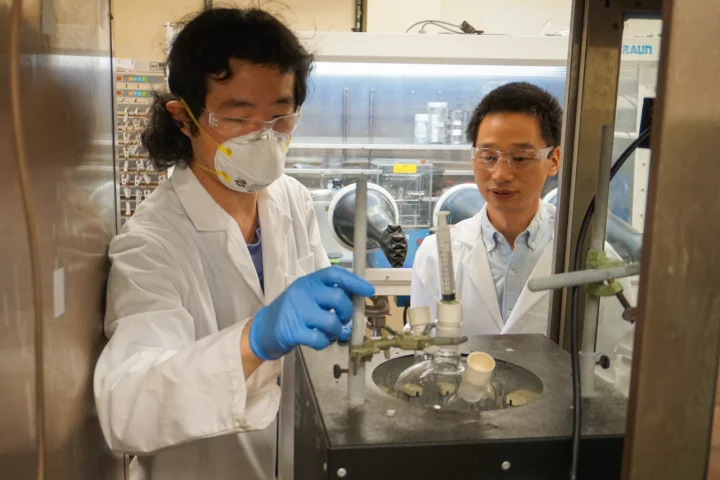 Polystyrene is a problematic material when it comes to recycling, but a team of Virginia Tech researchers is hoping to change this with a novel method that turns it into a product of relatively high value.
 -
 Scientists have developed a glove for gripping underwater objects that takes its design cues from an octopus, featuring rubber suckers and a sophisticated sensing capability that mimic the sea creature's unique muscular and nervous systems.
 -
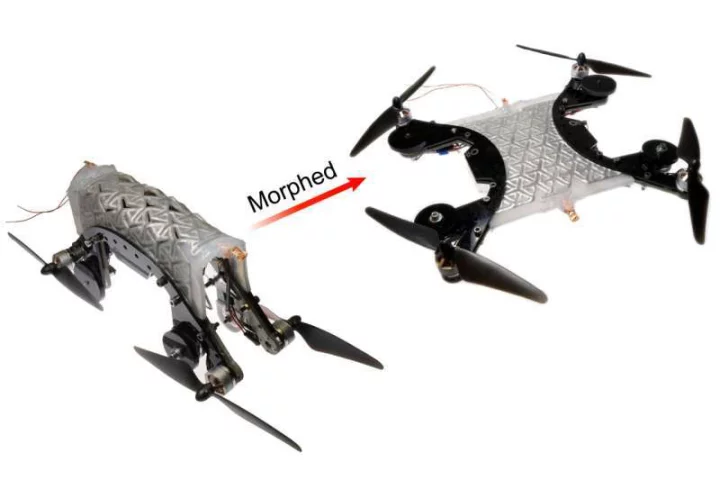 Most robots are designed for a specific job, and aren’t very adaptable. But a new soft robot can morph into a range of shapes for driving, flying or swimming, thanks to a rubber skin full of a metal that switches between liquid and solid forms.
 -
 Soft robots and flexible electronics aren't as protected as their rigid-shelled counterparts, so they're more likely to get ripped or punctured. A new stretchable, self-healing conductive material was designed with this limitation in mind.
 -
 Ducks have specialized feathers that keep them from getting too wet. Now, engineers at Virginia Tech have investigated the physics behind how they work and developed synthetic feathers that could help ships glide through the water more easily.
 -
 When it comes to body armor, there's typically a trade-off – it can either be highly impact-resistant or flexible, but not both. That may not be the case for much longer, however, thanks to an experimental new material inspired by a mollusc.
 -
 Following years of research and development, an accidental fire and rebuild, and around a month in the Dubai desert, Virginia Tech students have won the 2018 Solar Decathlon Middle East with the FutureHaus. The prefabricated modular home runs from solar power and was assembled in under two days.
 -
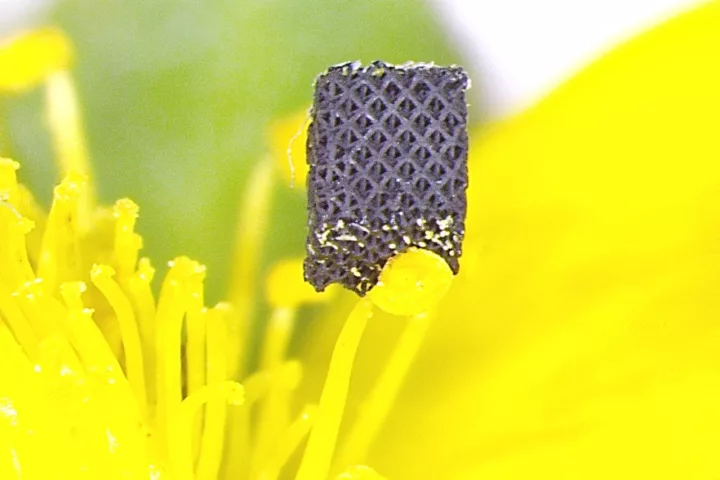 Graphene is famous as a two-dimensional material, but to really make the most of the stuff we need to coax it back into 3D forms. Now researchers from Virginia Tech have developed a new way to 3D print graphene aerogels with a far higher resolution than previously possible.
 -
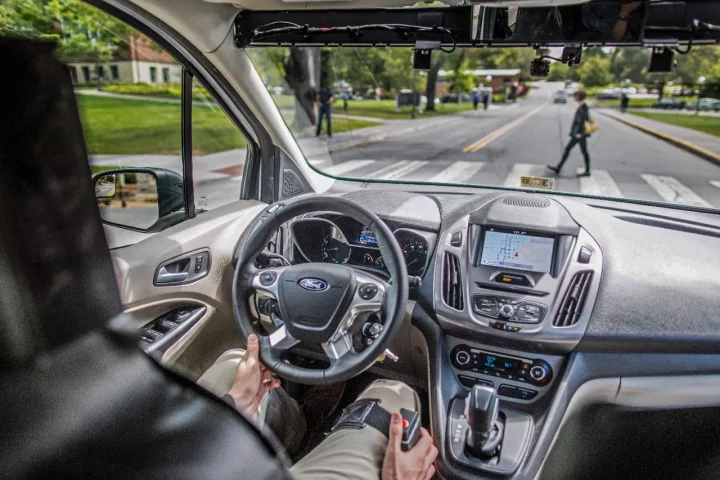 To better understand public reactions to driverless cars, along with how these vehicles can broadcast their movements, Ford has done the logical thing and disguised a human driver as a car seat to fool passers by.
 -
 A criminal who knew what they were doing was wrong faces harsher penalties than someone who was acting recklessly, but it's hard to know where that line is. In a move that could help clear things up, neuroscientists have found that brain imaging techniques can tell the difference.
Load More