



The Tarran L1 cargo ebike combines radar sensing, an auto kickstand, and smart integrations to make heavily loaded urban riding easier. Designed for families and commuters, it focuses on stability, safety, and usability over raw performance.
Following its front-loader cargo ebike with auto landing gear, Shenzhen-based Tarran Bikes has launched the new L1 Series longtail cargo ebike, adding new features like radar sensing, an auto kickstand, and smart integrations.
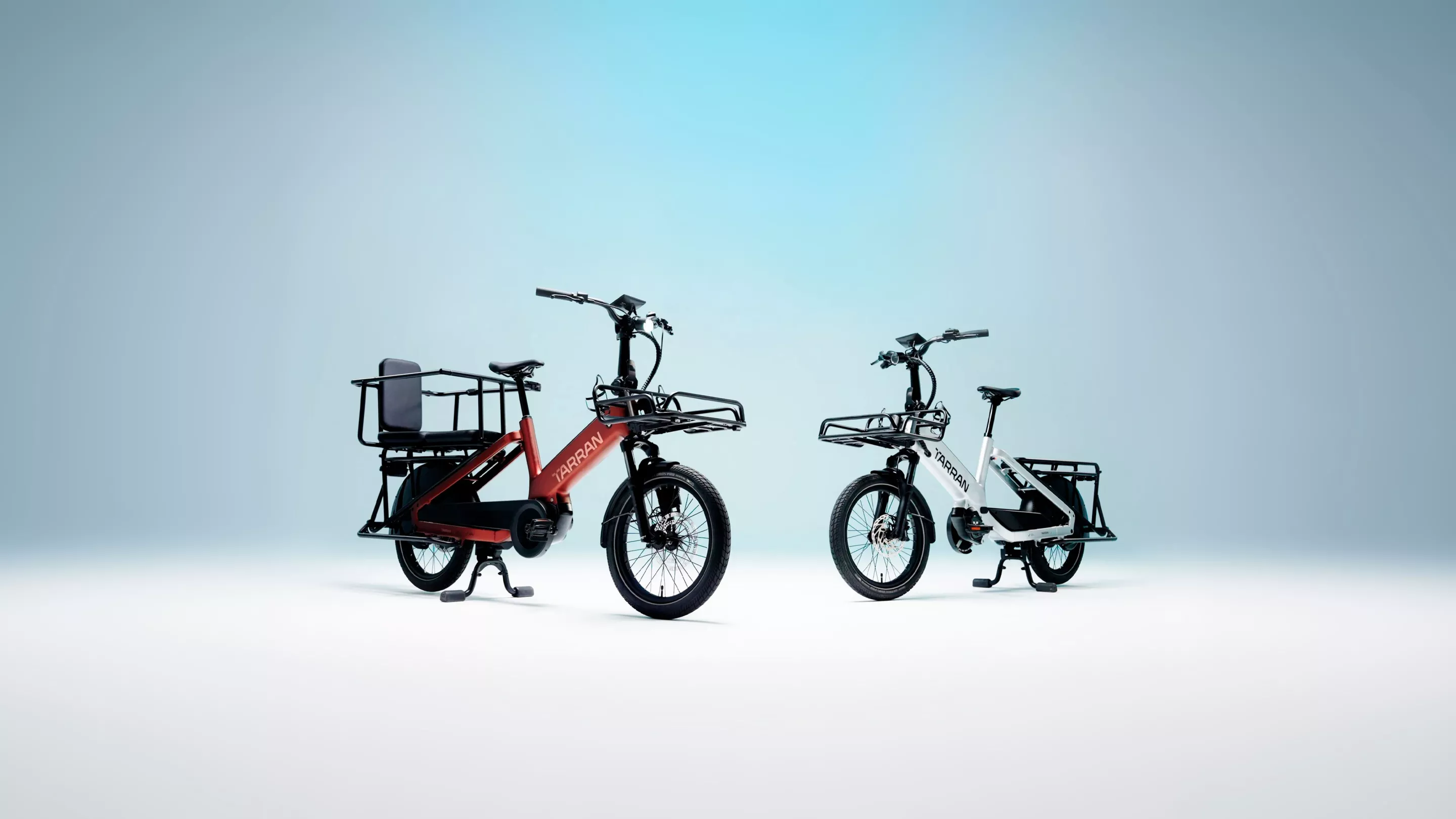
The lineup consists of two models: the L1m and the higher-spec L1s. The new smart features and the bike's broader connected ecosystem together aim to make riding a loaded bike in city conditions a smoother experience.
Cargo ebikes are growing in popularity as a practical alternative to cars in city environments, particularly for parents with younger children and delivery riders. The newly launched L1 Series takes this idea a step further, focusing on tech-driven riding assistance rather than just raw power or weight capacity.
Longtail cargo ebikes tend to become unwieldy to ride when you’re dealing with added weight at the back, particularly when you’re having to stop frequently in traffic. Tarran’s approach addresses this from a few angles. The SyncStand Auto kickstand can be deployed with a single click of a handlebar button, helping stabilize the bike instantly for loaded parking. The E-Dropper seatpost adjusts saddle height automatically, so it’s easier to get on and off, or switch between riders.

The ebike’s system is paired with an Enviolo AUTOMATIQ Pro transmission, so gear changes are handled without needing any input from the rider. None of these features are new on their own, but Tarran hopes that together, they’ll make the cargo bike feel more manageable, even for less experienced riders.
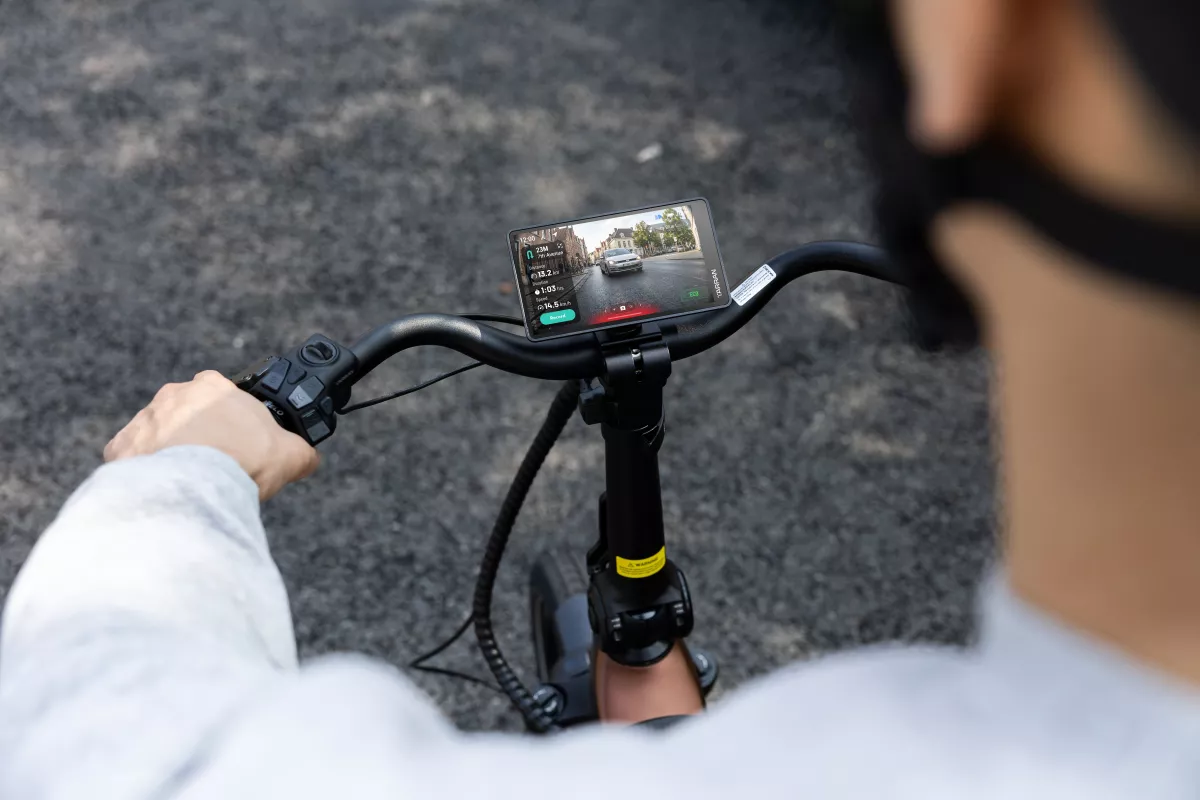
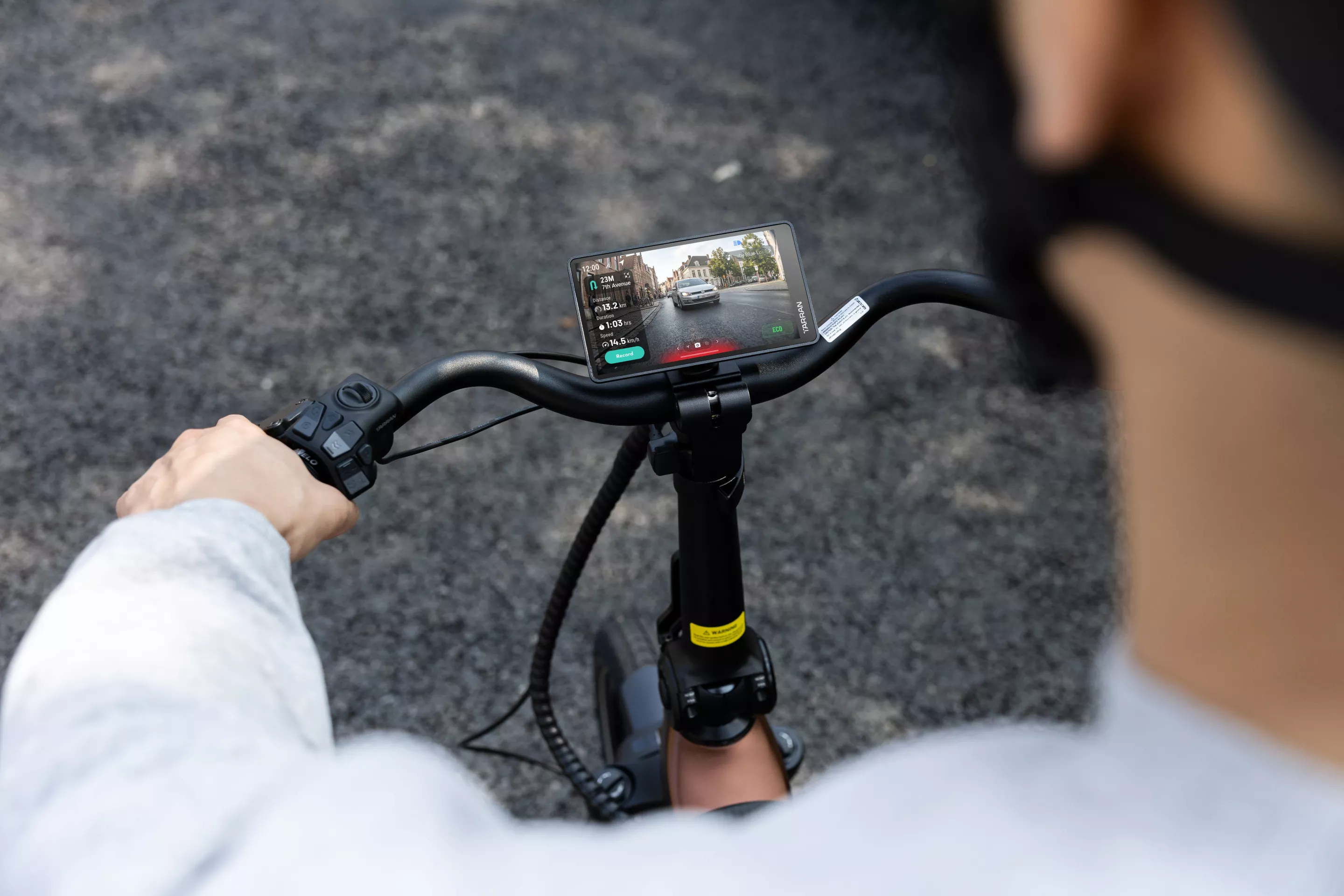
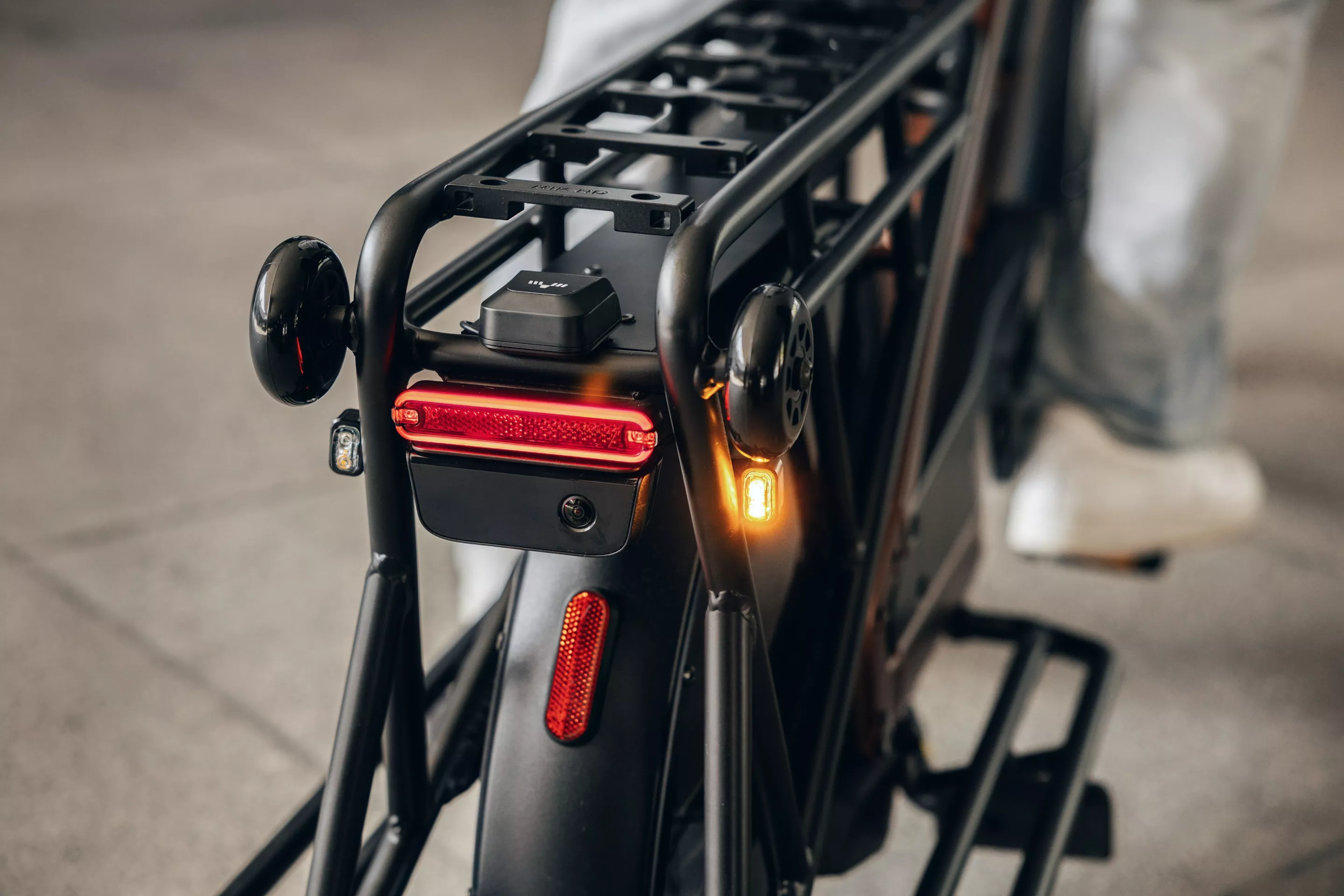
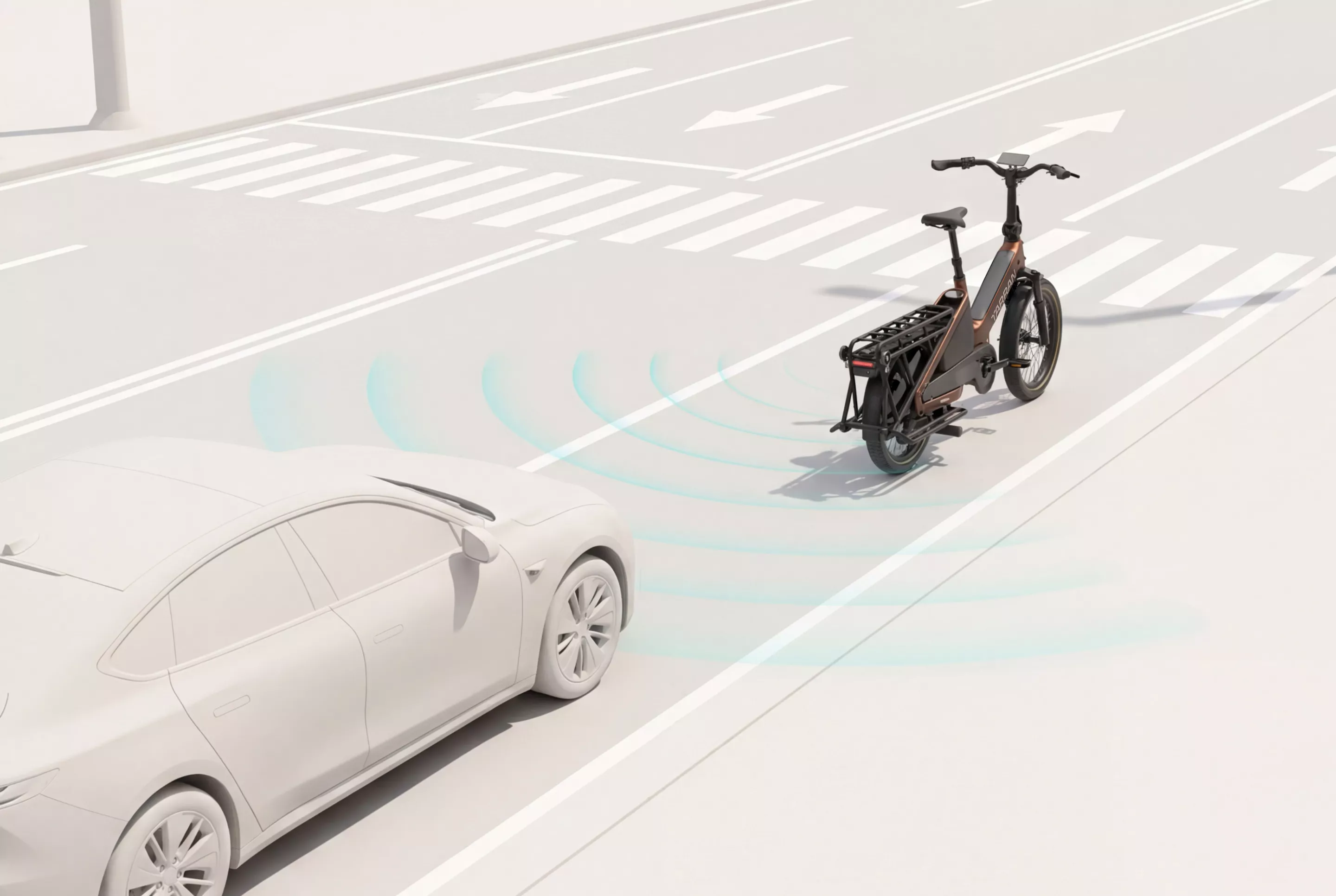
The L1 Series’ safety is addressed through what Tarran calls its “Proactive Defense” system. At its core is the Vision Unit, which uses 'automotive-grade' mmWave radar to detect potential hazards – such as "fast-approaching vehicles or impatient riders behind you" – and provide early alerts. This works alongside a smart lighting setup and a rear-facing camera that feeds visuals to the 5.2-inch mid-handlebar display for those eyes in the back of your head. "It provides direct yellow or red light warnings on the central display, which means riders no longer need to frequently glance back and can remain fully focused on the road ahead," explained the company over email.
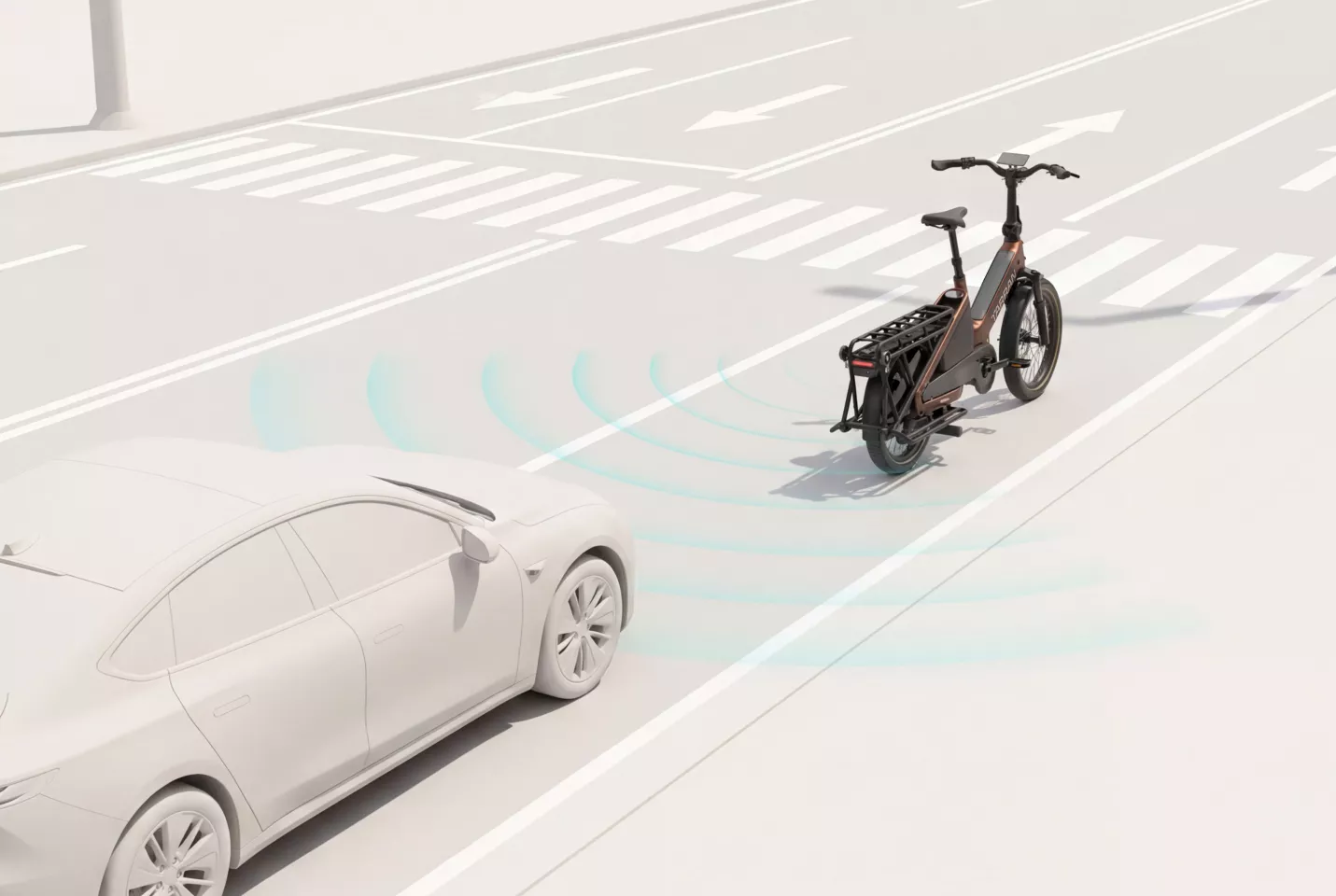
The safety features seem to be focused on improving rider awareness and visibility rather than introducing any form of autonomy. Much like many early implementations, details on detection are limited, but the L1 seems to be making a real push toward bringing automotive-style sensing into urban bikes.
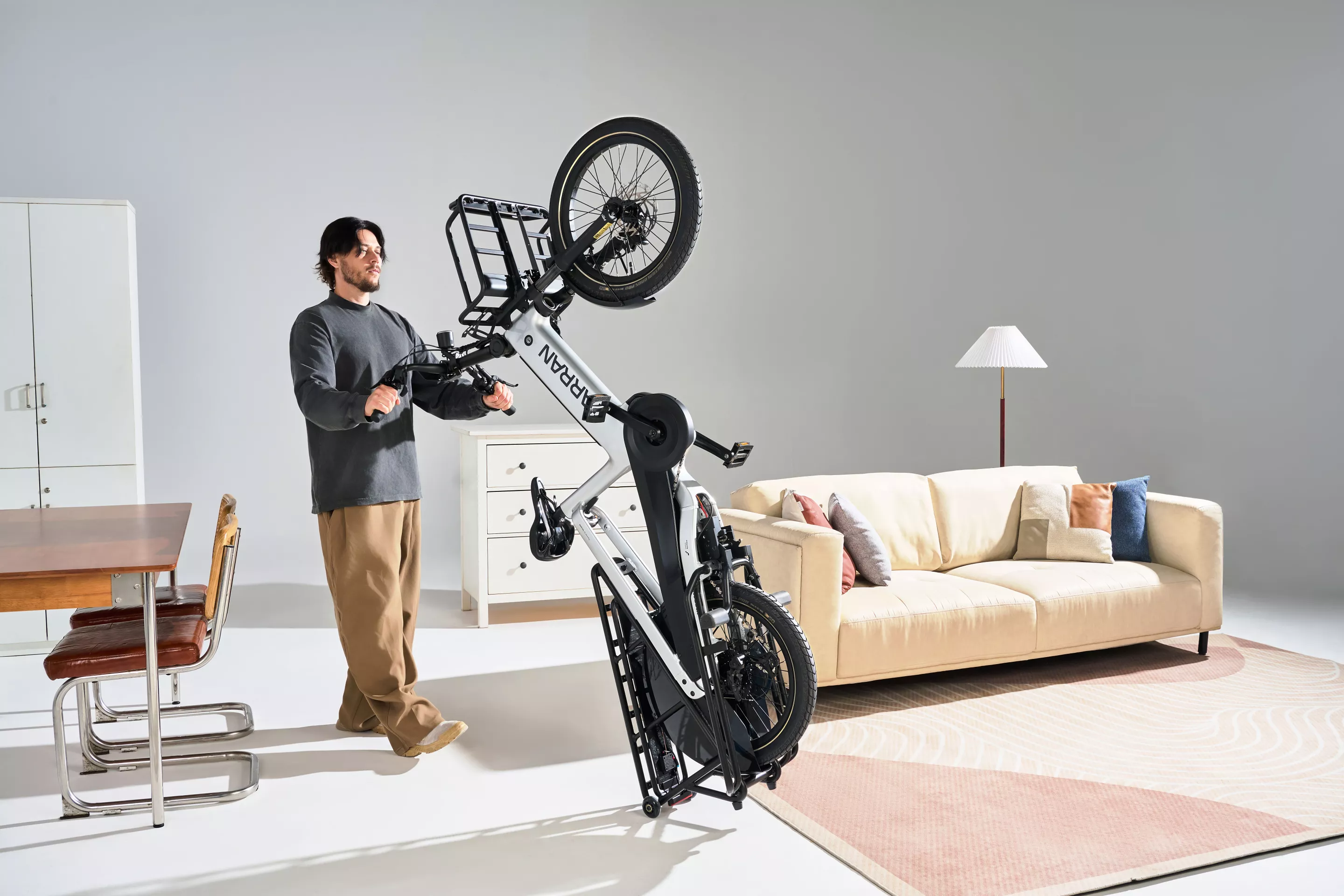
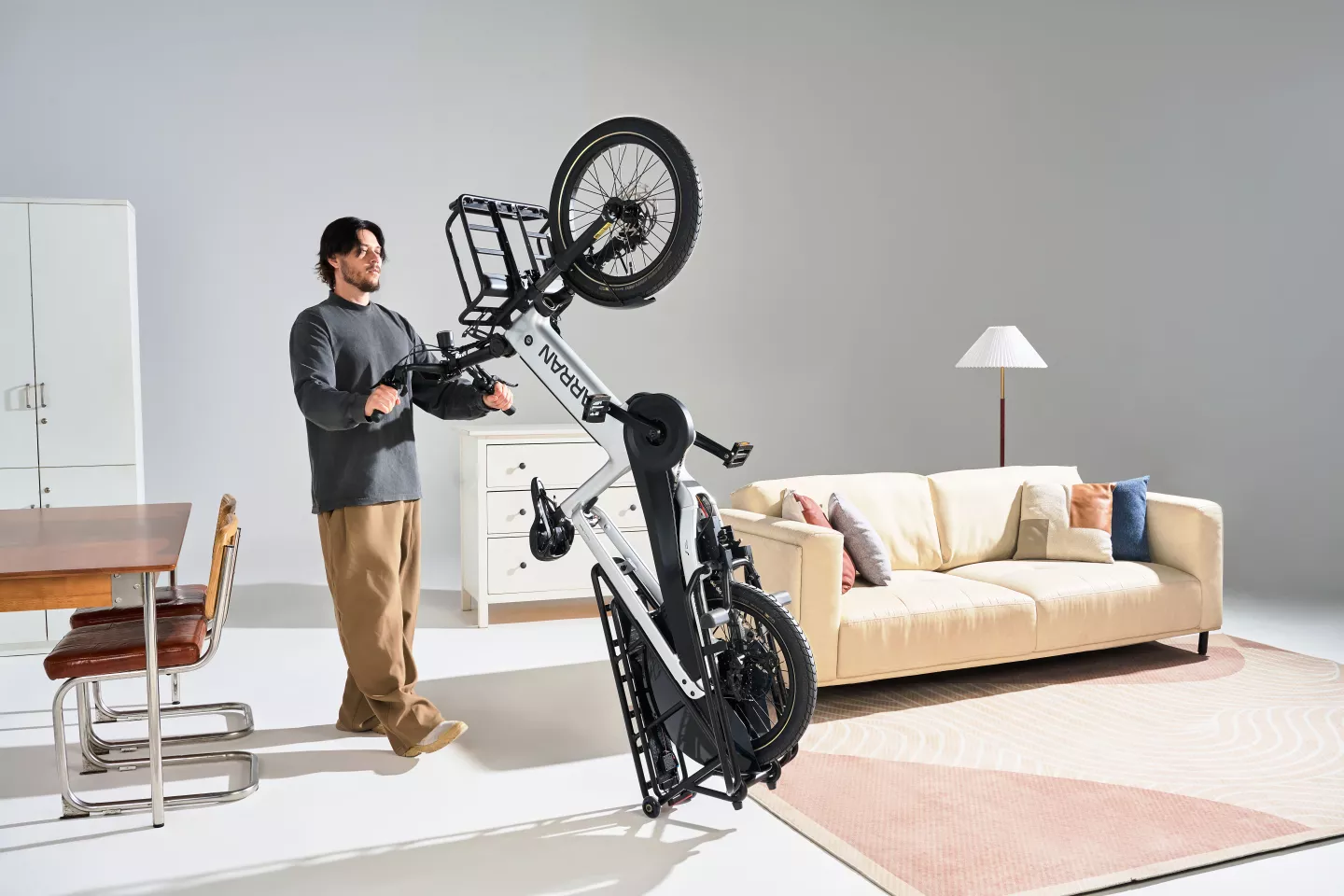
The bike’s power comes from a 100 Nm mid-drive motor paired with a Gates CDX belt and a 693-Wh battery, giving it the muscle it needs for serious hauling. Tarran says the bike can handle a total load of up to 215 kg (474 lb), while only weighing 34-37.5 kg 75 - 82.6 lb) itself, depending on the model. This balance suggests a real focus on carrying capacity without sacrificing maneuverability. The company reckons that riders could get up to 170 km (105 miles) per charge at the lowest assist level, depending on factors like load, terrain, and riding style. An optional battery bag could extend travels even farther.
Beyond the hardware, the L1 Series is built around a modular connectivity system. Its Smart Hub can connect to third-party accessories, including smart helmets similar to those from Woolf and Unit 1. Activating the bike’s turn signals can trigger synchronized lighting on a compatible helmet. It’s a small but meaningful step toward making ebikes a more connected platform rather than a standalone machine.
"We believe that the future of intelligent cargo bikes is not just a simple upgrade to the traditional bicycle," Tarran told us over email. "Instead, it is an evolution toward 'Hyper-integration,' 'Intuitive Interaction,' and 'Systemic Ecosystems.' This shift will fundamentally blur the technical boundaries between the bicycle and the modern smart car as sustainable mobility tools.
"From 'Feature Stacking' to 'Hyper-integration' for simplicity: The future trend is not about adding more accessories, but hiding complex technology behind simple operations. For example, the L1’s SyncStand Auto and E-Dropper post enable 'one-click' starting and parking. In the coming years, more hardware will achieve automated linkage, making riding as intuitive as operating a smartphone. This lowers the barrier to entry, allowing people of all ages and physical conditions to enjoy cycling.
"Active safety as a standard: As the carrying capacity and use cases for cargo ebikes expand, safety will shift from an optional feature to a core foundation. Radar sensing technology will evolve into more sophisticated automatic interventions – such as automated deceleration or emergency obstacle alerts – allowing non-professional riders to easily manage heavy loads in urban environments.
"A modular and sustainable System Brain: Future bicycles will possess an 'evolvable' DNA. Through a 'pre-wired' foundation like the one found in the L1, vehicles can adapt as family needs change – such as transitioning from hauling cargo to carrying children. By seamlessly integrating new smart modules or receiving functional updates via software, we can extend the product's lifecycle. This makes the ebike a more robust replacement for cars, contributing to a more eco-friendly and sustainable future.
"Ultimately, the goal of intelligence is to disappear. Technology should not add complexity; it should shorten the rider’s mental checklist. By making the complex feel effortless, we can inspire more people to transition from cars back to a freer, greener, two-wheeled way of life."
The L1 Series was announced last week, and pre-orders are currently open – pricing starts from US$2,699, but laying down a $50 deposit could see you benefit from $200 cash back. The ebike reflects a shift toward more tech-heavy cargo bikes, with less emphasis on raw specs and more on stability, safety, and usability. If these systems all work as Tarran hopes, the L1 could help bring cargo ebikes out of niche status and help make them a real, viable option for everyday urban transport.
Product page: Tarran L1 Series