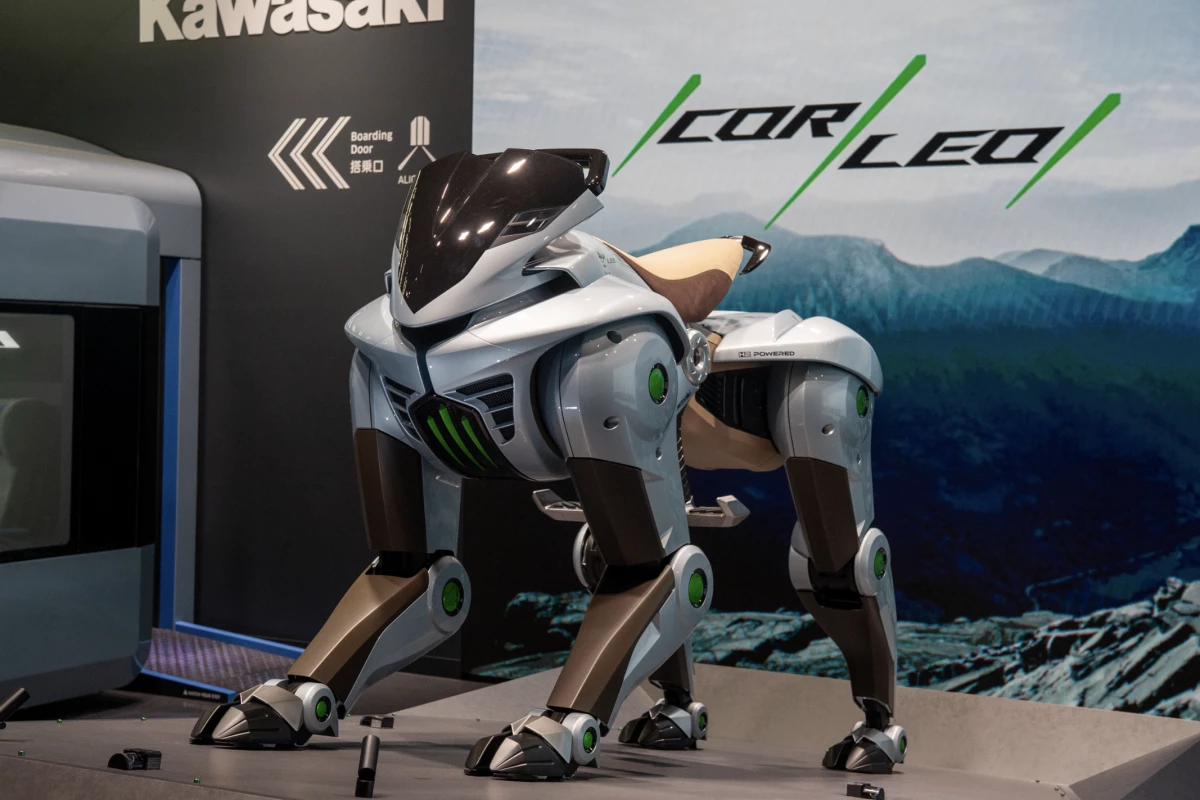

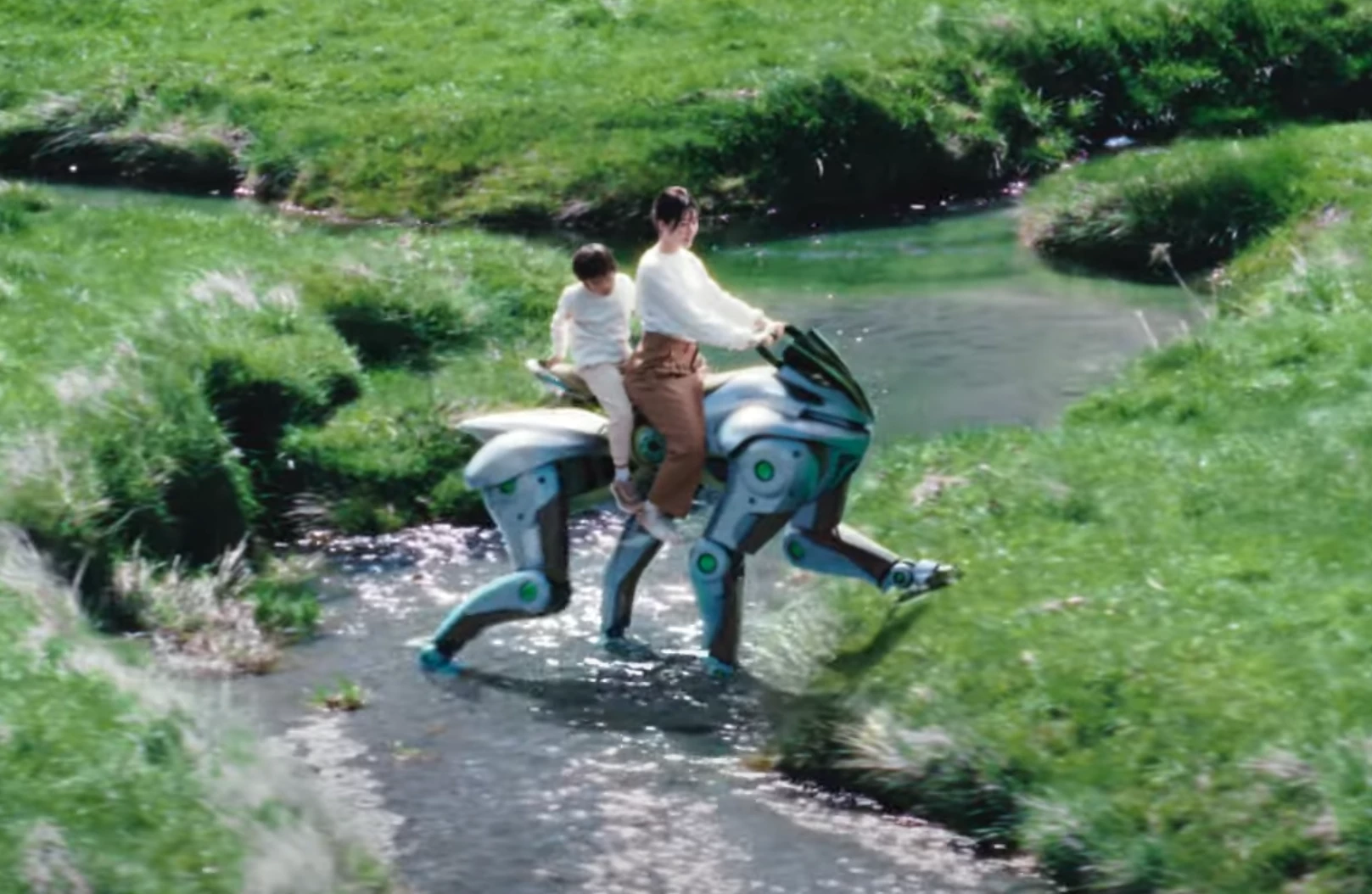



What was announced as a 2050 pipe dream by Kawasaki, the company's hydrogen-powered, four-hooved, all-terrain robot horse vehicle Corleo is actually going into production and is now expected to be commercially available decades earlier – with the first model to debut in just four years.
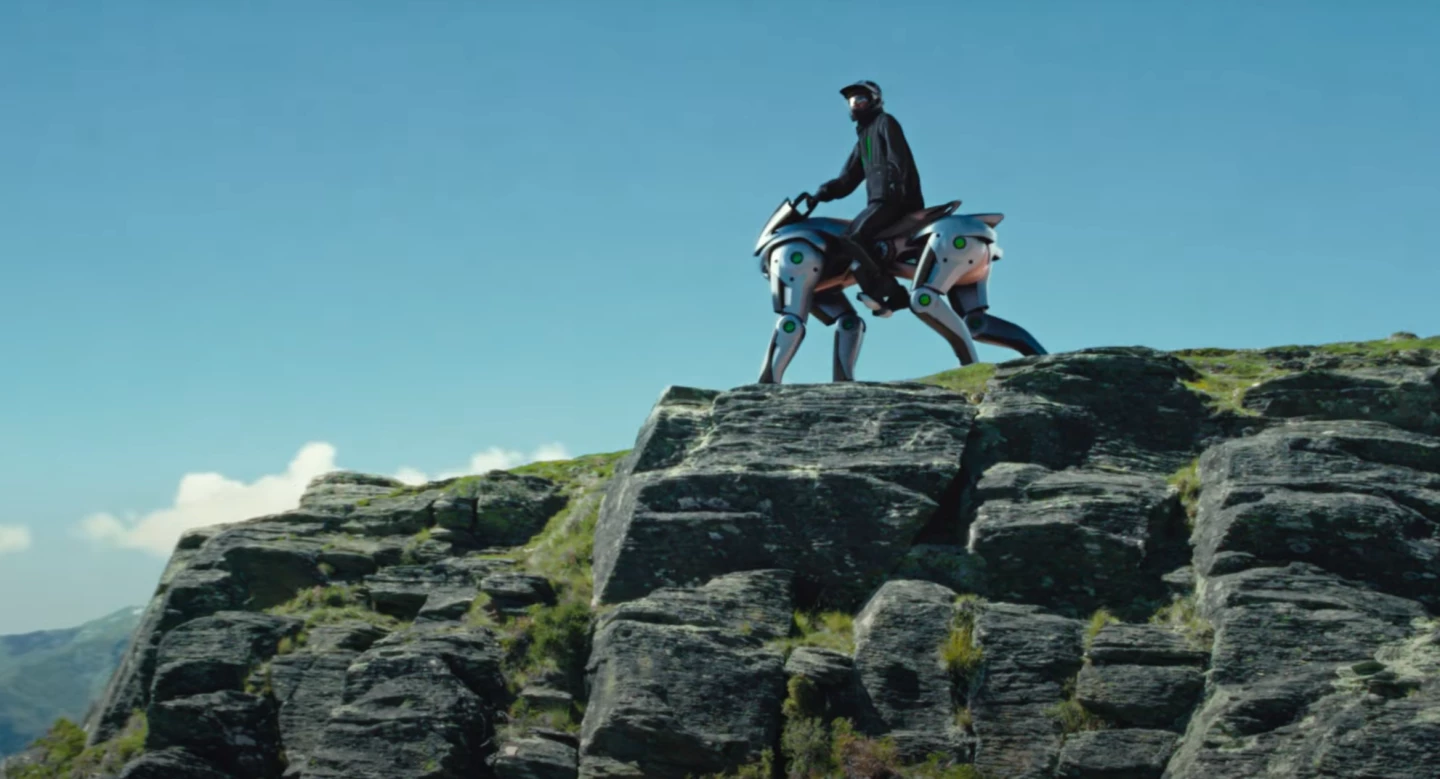
We first wrote about this mountain-climbing monster in April last year, when it was merely a concept with some bad CGI video. But it seems Kawasaki is now getting serious about its futuristic mechanical quadruped, setting up a dedicated operation – known as the Safe Adventure Business Development Team – and aiming to have the robo-horse up and galloping for visitor use at Expo 2030 in Riyadh, Saudi Arabia. Following that, the plan is to have the mobility vehicles on sale for consumers by 2035.
While it's not quite the same, Kawasaki Heavy Industries has also announced that you'll be able to experience what it's like to ride Corleo – albeit virtually – with a simulator due to be released next year.
"Kawasaki will also develop a riding simulator that enables riding experience of the four-legged mobility vehicle," the company announced. "This riding simulator targets completion by 2027, with plans to deploy the entire system – including motion data, 3D models, and motion data obtained during CORLEO development – to the gaming and e-sports industries."
But back to the real Corleo. The company is focused on its use as a vehicle that can conquer mountainous terrain safely, blending motorcycle technology and robotics to offer stability and maneuverability. While its rear legs operate independently and are built for shock absorption, the vehicle will be guided by the rider's shifting body weight – a little like horseback riding but without the reins. It's also reported to be equipped with advanced AI to master mixed and challenging terrain, including rocky slopes and water crossings.
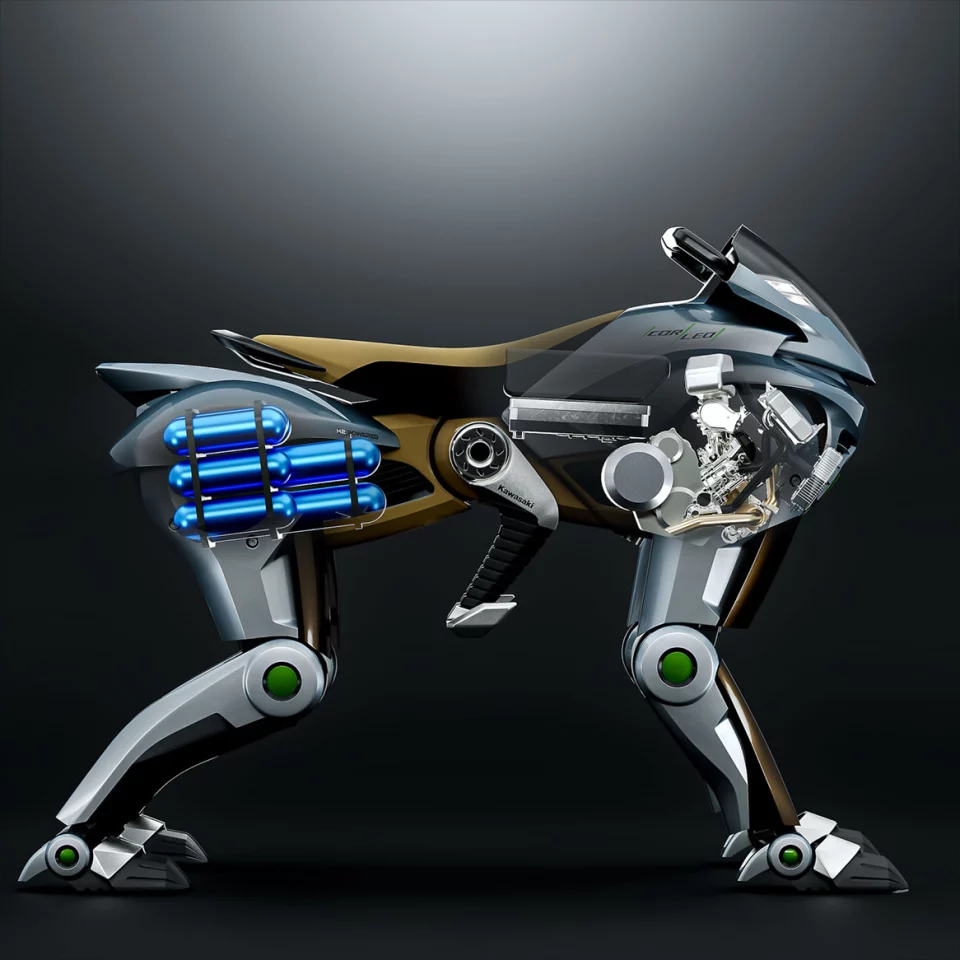
As previously reported, Corleo is expected to be powered by a 150cc hydrogen engine that generates electricity to propel the legs and is fueled by rear-mounted hydrogen canisters for low emissions and silent operation. The robo-horse will also house a GPS navigation screen to guide riders by mapping paths, while keeping the rider’s center of gravity stable (no pun intended).
While it's still a way off, the deadline is more optimistic than 2050, which was the original ETA when it debuted at Japan's World Expo 2025 in Osaka. At this point we have no idea how many will be made, nor how much it'll cost, but the latest developments take this from novelty to "one-to-watch."
Source: Kawasaki