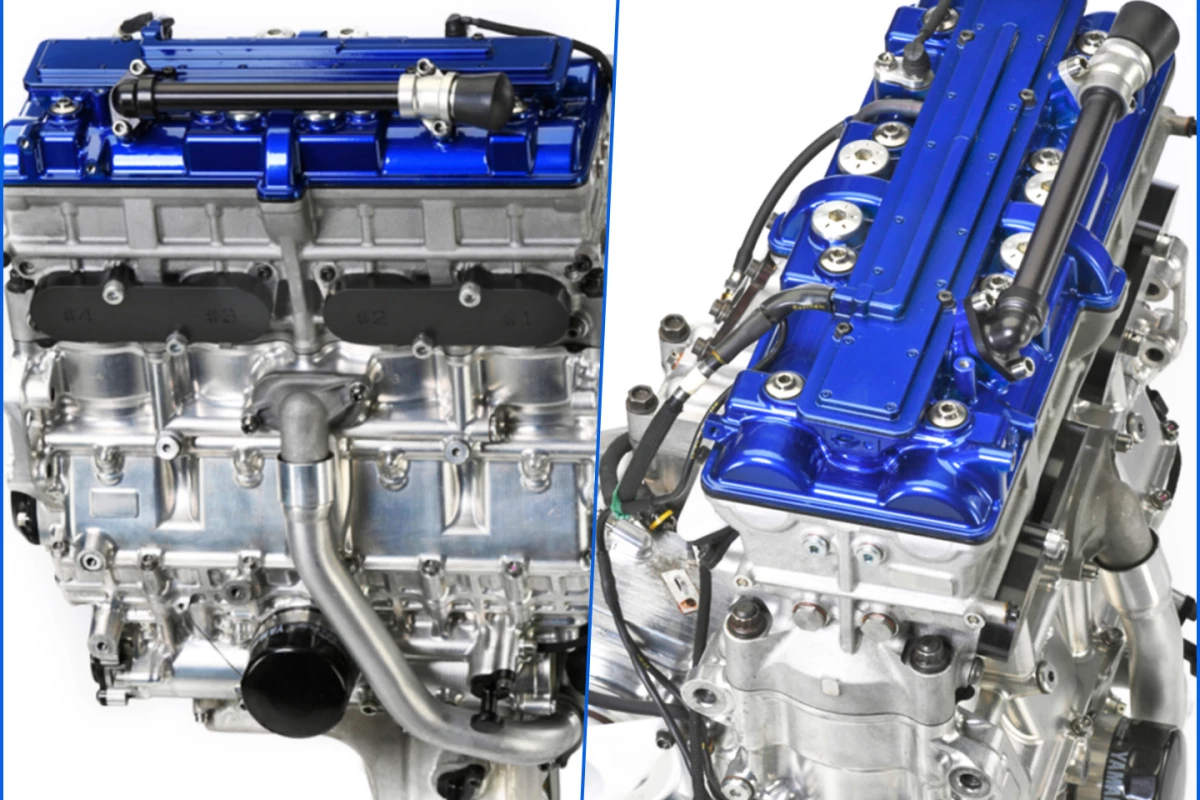
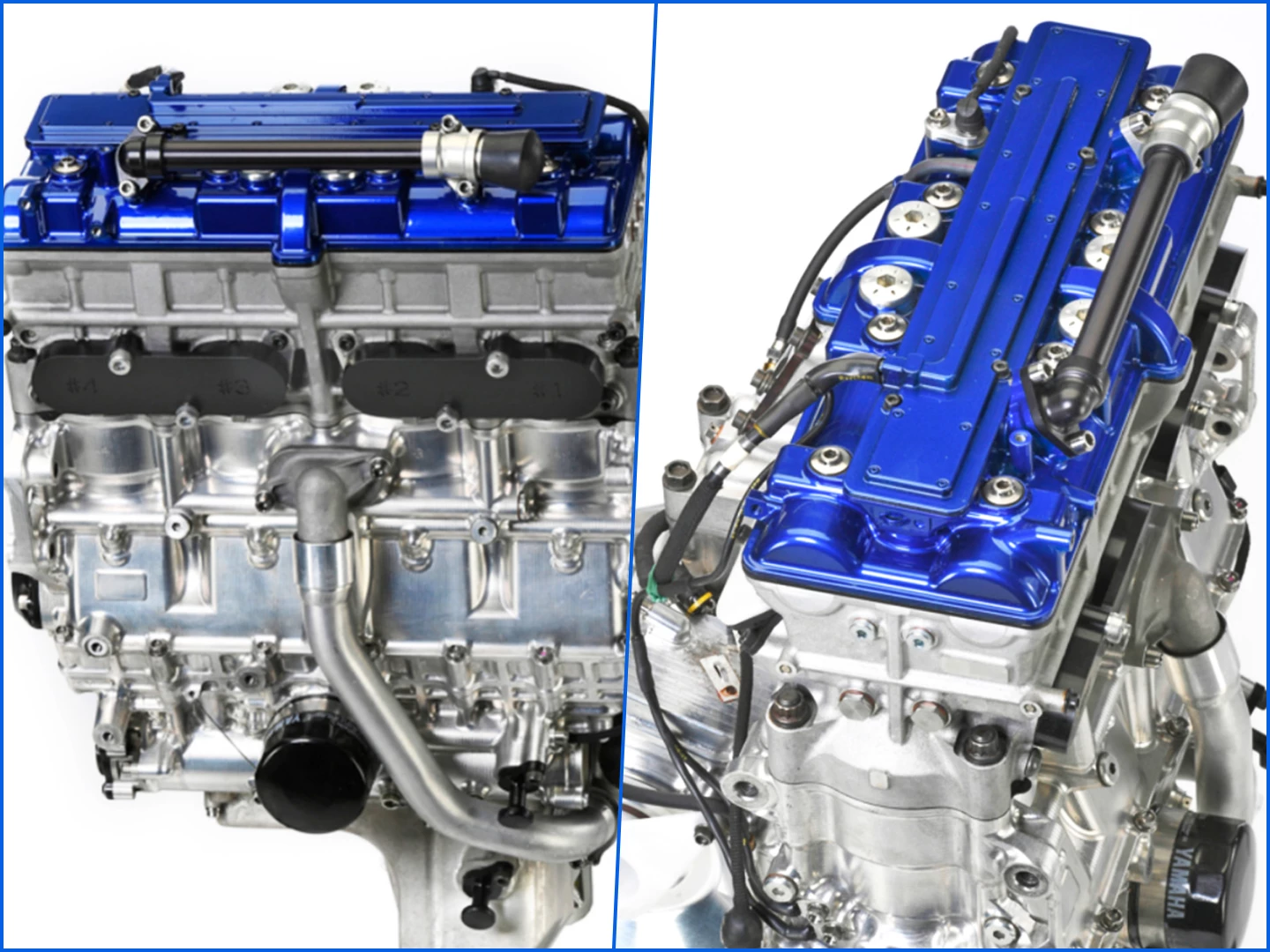

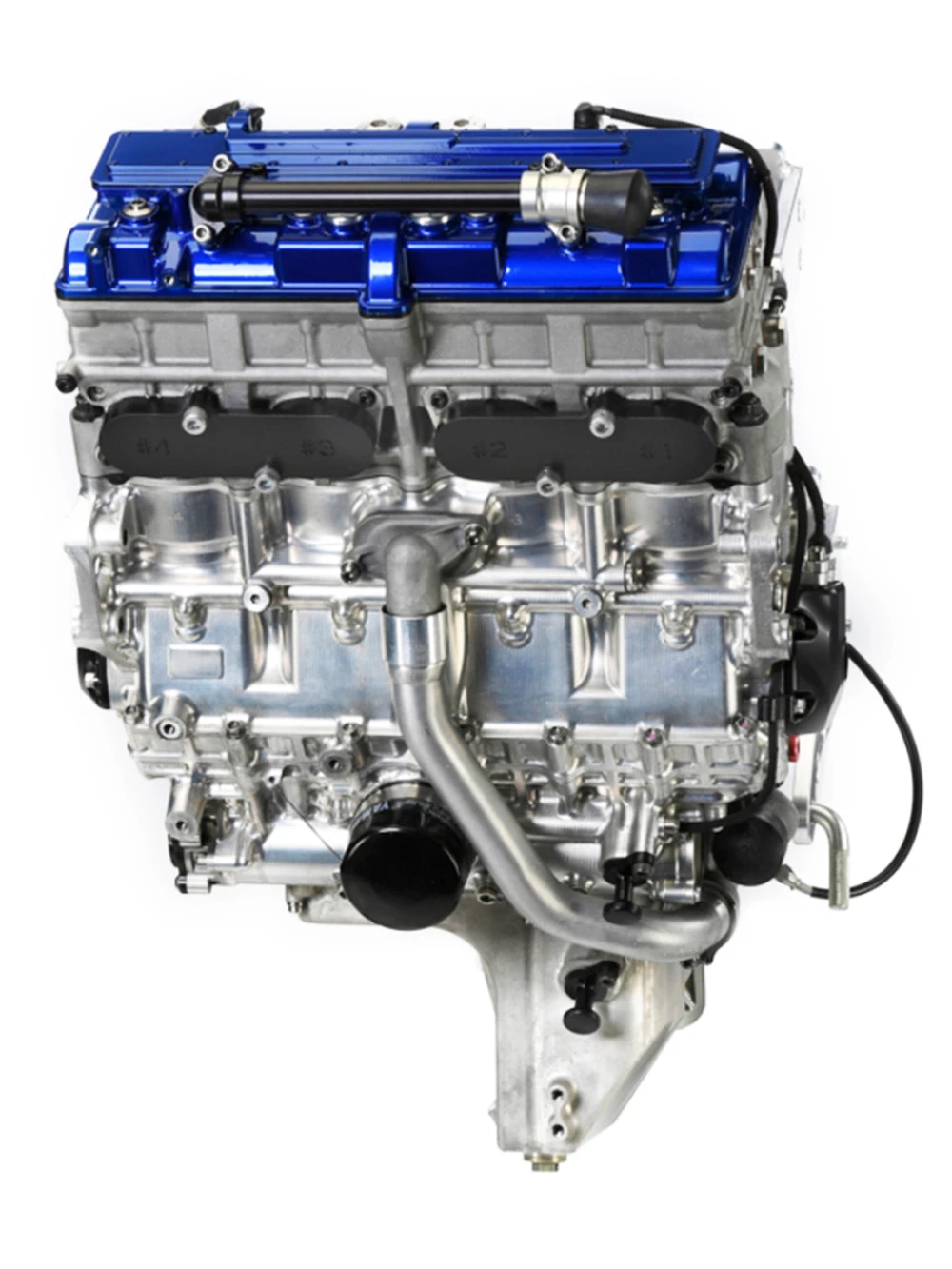
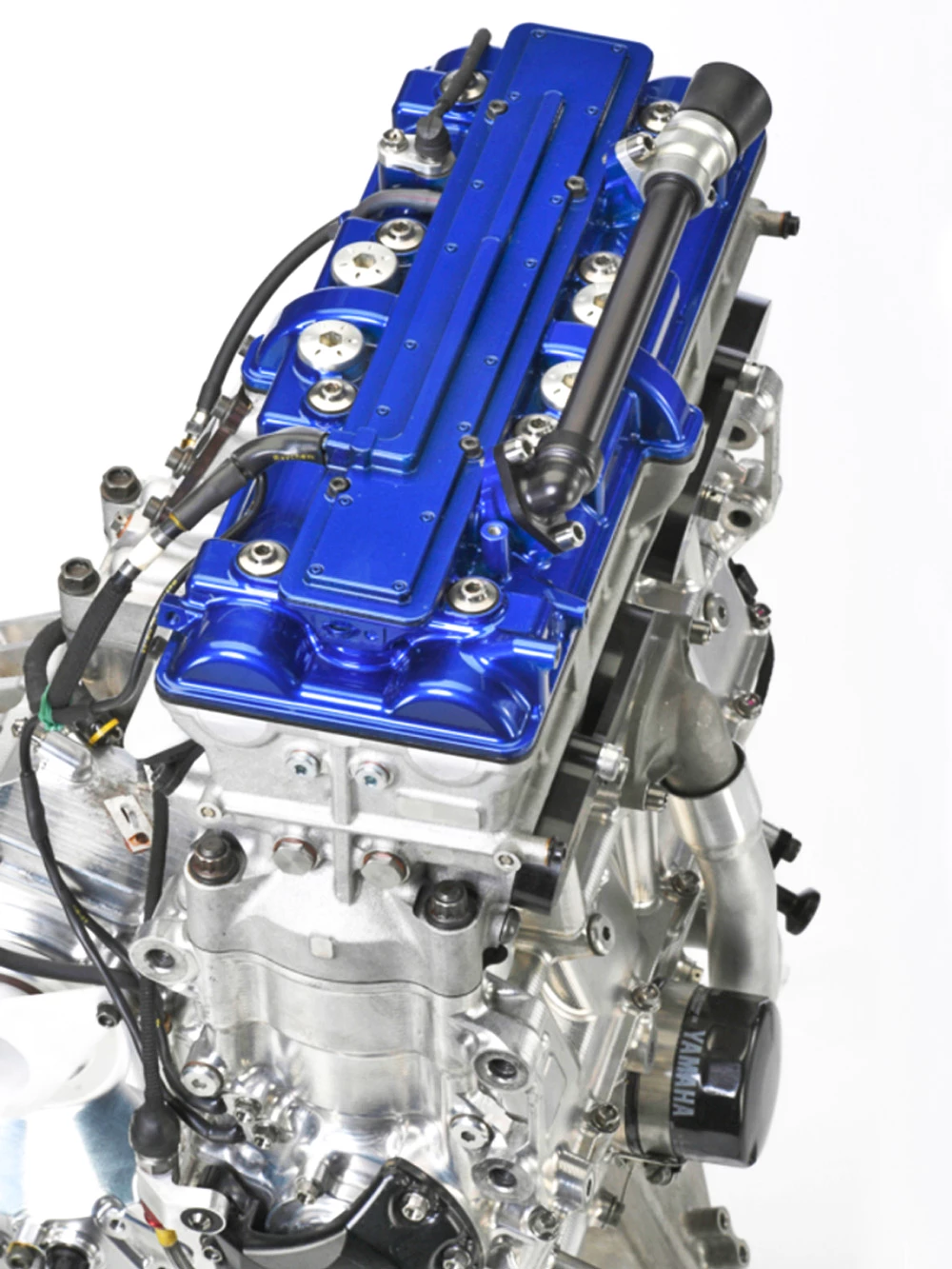



Note: It’s purely MotoGP. Now that we have that clarified, here’s the big breaking news: Yamaha recently declared that it was formally retiring its iconic inline-four "big-bang" M1 – the same platform that has helped Yamaha secure eight MotoGP riders' titles since its introduction in 2002.
This is on the back of Yamaha finishing last in the manufacturers' table this season. The company last won a grand prix in 2022 – the last title for the famed inline four.
Replacing the setup would be a new V4 engine, which has been undergoing rigorous testing for much of this year, racing three times in 2025 with Augusto Fernandez. Yamaha last tested the setup last month in Valencia.
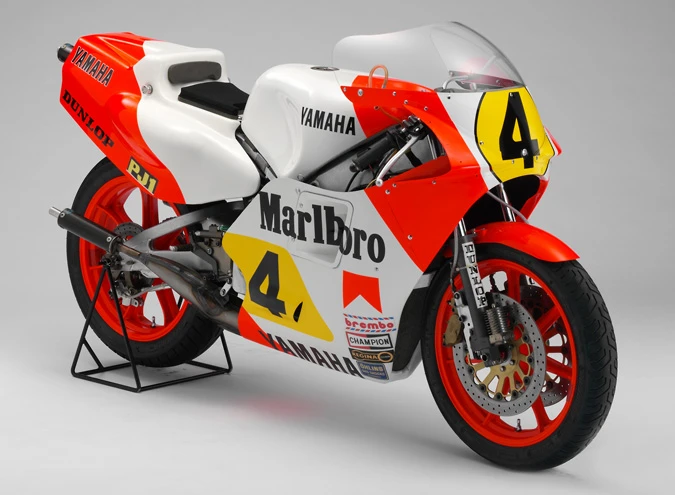
Think Yamaha and V4, and most GP fans would go back to the golden age of 500cc Grand Prix racing. And it was one name that dominated that class – the YZR500, powered by a V4 two-stroke engine, that won championships at the hands of Eddie Lawson (1984, 1986, 1988), and Wayne Rainey (1990, 1991, 1992).
After the shift to four-stroke MotoGP, Yamaha abandoned the V-layout in favor of inline-fours, finding extra grip from the rear tire with the M1's unique 1+3, 2+4 firing order, making it sound very much like a twin. And for decades, the V4 heart of those Cinderella-story 2T GP days lay dormant for Yamaha fans … until today.
"The shift to a V4 configuration is equally strategic, as it allows us to position ourselves for the 2027 technical regulations, when this engine layout will offer an advantage in terms of bike layout and aerodynamic development," explained Massimo Bartolini, Technical Director, Yamaha Factory Racing.
But why is it such a big deal?
The likes of Valentino Rossi, Jorge Lorenzo, and Fabio Quartararo have all achieved winning success thanks to Yamaha’s big-bang inline. With over 350 podium finishes and 125 victories, the famed motor competed in a total of 429 Grand Prix. Additionally, it helped Yamaha win five Manufacturer titles, seven Team titles, eight Riders' Championships, and five MotoGP Triple Crowns.
Why the change then? Many believe Yamaha's switch to the V4 is a desperate attempt to persuade Fabio Quartararo to stay with the team past the upcoming season. But if you dig deeper, it’s much more complex.
Problems with Yamaha’s particular inline four setup have not exactly been a secret. Apparently, Yamaha "tried everything" with the inline-four, but "the same issues were arriving," according to Jack Miller of Pramac, who’s a race winner on Honda and Ducati V4s, and podium finisher on the KTM V4.
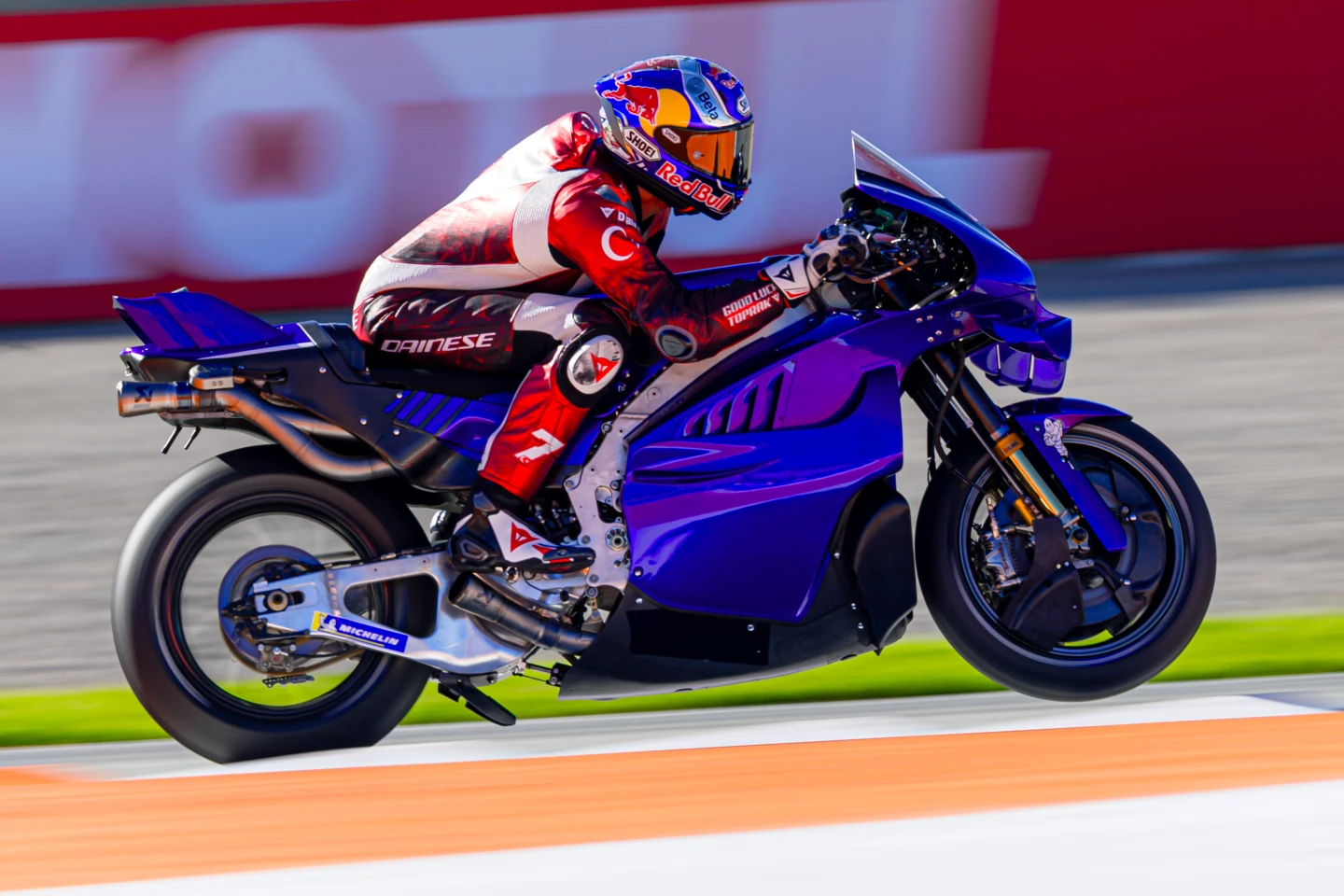
"There are all four cylinders over the front tire (in an Inline), so no matter what you do with the fuel tank (position), (the weight will ) go over the front anyway," said Miller. He believes that Yamaha had to make a "sharp turn" and transition to a V4 engine in MotoGP due to fundamental differences in weight distribution.
On the V4, “that (rear) bank of cylinders means everything moves back a bit more. It’s just the layout and the way everything fits. That’s the way it works with the V4 versus an Inline.”
Yamaha also expects the new V4 to provide better acceleration, better handling when braking, a slimmer chassis and better adaptation to the latest tires and aerodynamics standards. The new V4 will be employed in MotoGP starting in 2026.
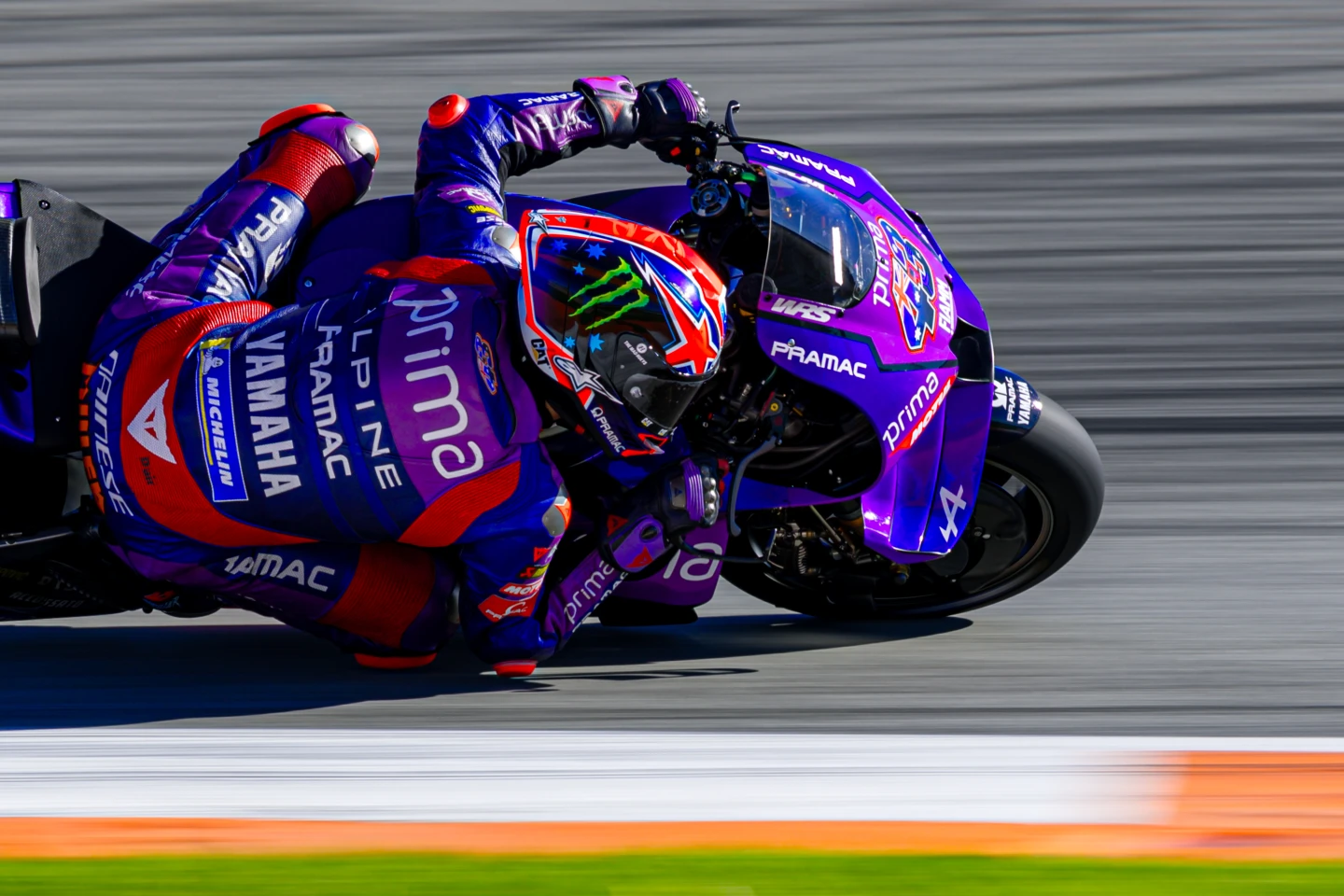
For most fans, it's more than just a change they saw coming; it’s a reconnection to the thunderous exhaust growls, the lean-angle aggression, and that unmistakable two-stroke spirit of the 1980s and ’90s. What was old is now new – and maybe, just maybe, we'll witness Yamaha’s GP renaissance with the setup again.
Source: Yamaha