






People have been fantasizing about humanoid robots for decades. Movies such as Blade Runner, Ex Machina, and A.I. Artificial Intelligence imagined a future where robots and AI could interact with humans and save them from loneliness. Today, those sci-fi stories seem to be closer to reality than ever before, as Chinese company Ubtech has recently launched a product it calls the world’s first full-size, mass-produced "ultrabionic" companion robot.
China is already a world leader in humanoid robotics, but most robots have so far been designed for industrial work. Now Ubtech is hoping to enter a new market with its Uworld U1 series of companion robots designed for home use.
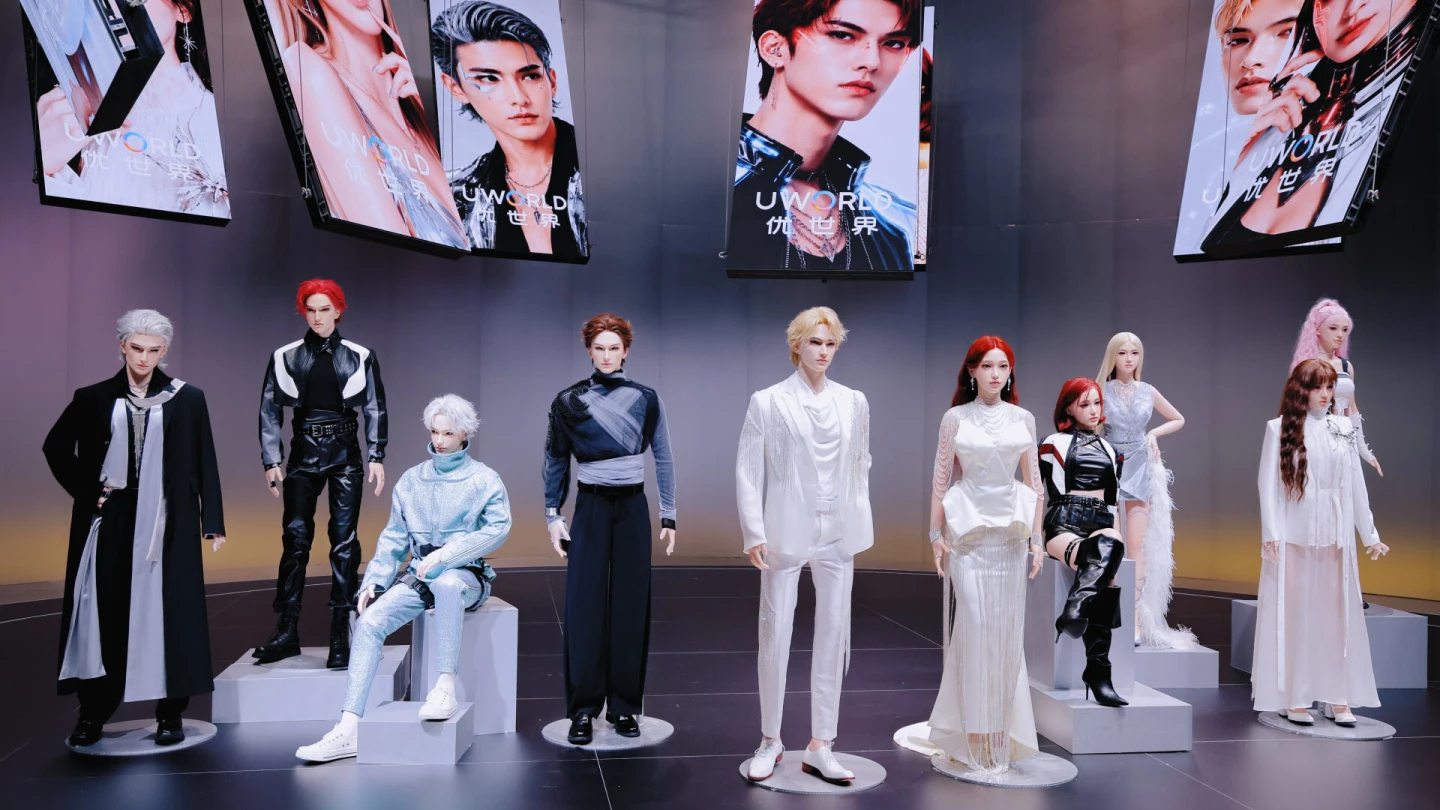
The global trend of loneliness is becoming more and more disturbing. Ironically, we live in a time when we have the opportunity to connect with people from all over the world, yet it has become very difficult for many of us to build real-life relationships. That’s exactly the problem that Ubtech is trying to solve with its product.
In the early stages of introducing the new robots, the company made very ambitious claims.
It said that the humanoids would be capable of taking care of elderly people, playing with toddlers, cleaning the house, walking your dog, and, most importantly, providing mental support. “Always focused on you and always loyal,” promised the advertisement, which, by the way, was entirely created by AI.
By the time the product was officially launched, this message changed, and the main focus shifted to the companionship part only. Housework and everyday assistance were no longer mentioned, which raises the question of why we needed to reinvent something that dogs and cats are already so good at. But that wasn’t even what attracted the most criticism.
According to Ubtech, the emotional support the robots can offer is powered by advanced AI systems. A companion robot needs to recognize a person’s gaze, tone of voice, and facial expressions in order to be able to hold a conversation. Developing this technology was the biggest challenge, and in practice, it still appears to be pretty rusty.
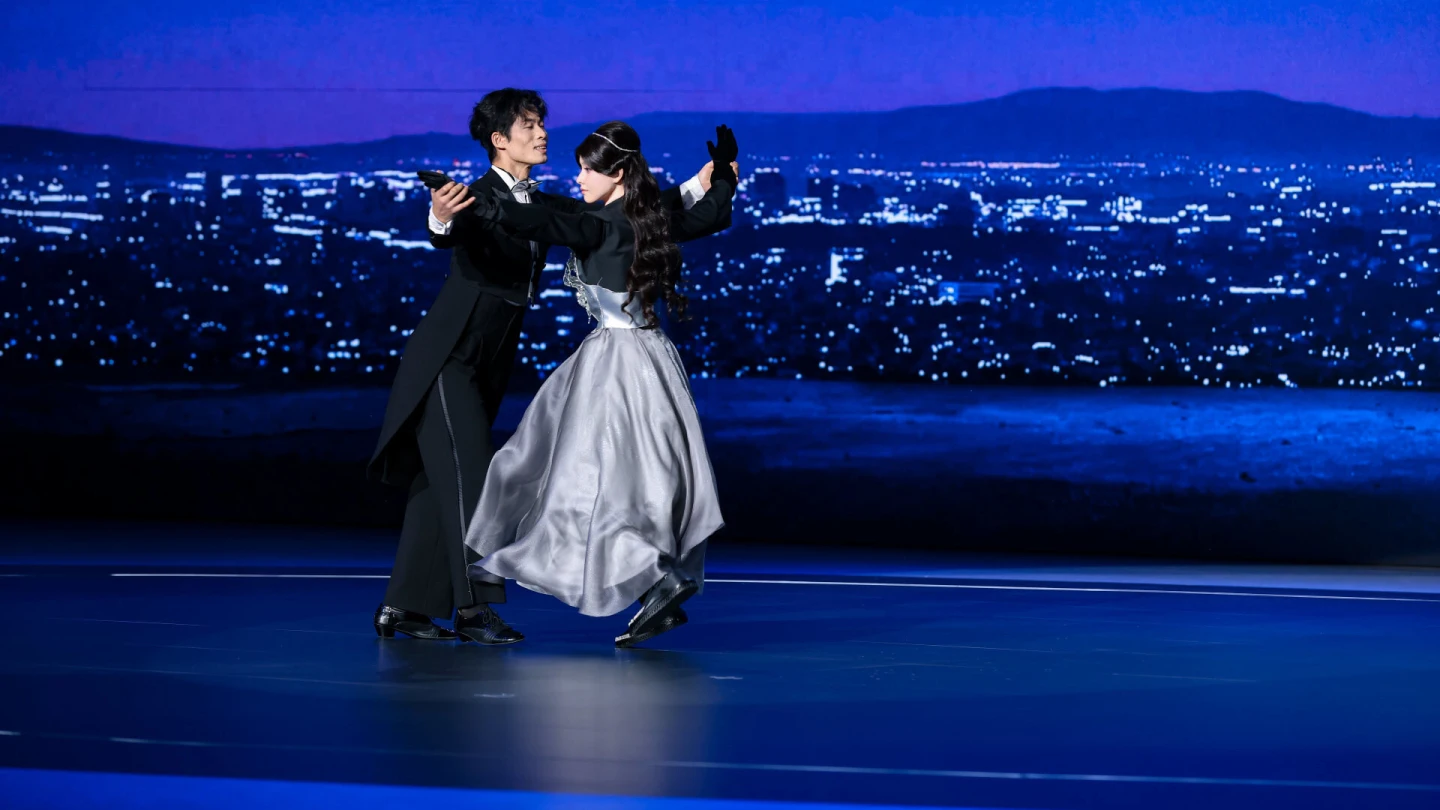
Speech-to-lip synchronization latency is claimed to be less than 20 milliseconds, but the bigger problem is how long the robots take to respond – we are talking about tens of seconds. In one demonstration, after a woman tells the robot she is depressed, it just silently stares at her for quite a long time before saying something. To be fair, some humans are not great at handling this kind of conversation either, but that interaction with the robot just felt comically awkward.
The creators claim that the robots can replicate up to 90% of human movements. They have 88 servo joints, can display 300 micro-expressions, and blink their eyes. They are covered with silicone skin that has pores and wrinkles, and reportedly not only looks but also feels pretty much like human skin.
The company launched a few models in the series: the U1 Lite semi-torso edition, the high-performance full-body U1 Pro, and the high-dynamic full-body U1 Ultra. During the launch, robots walked across the stage and performed a short dance, but nothing about that looked particularly dynamic. They moved slowly and a bit unnaturally, looking more like human-sized dolls.
The male version is 183 cm (6 ft) tall, while the female version is 163 cm (5 ft, 4 in) tall – they tip the scales at 42 kg (92.6 lb) and 35 kg (77 lb), respectively.
Depending on the model, the robot costs between 119,800 RMB and 990,000 RMB (about US$17,655 and $145,717). Paying the price of a luxury car for a giant silicone doll that needs to be recharged every two to four hours seems like a questionable choice. Nevertheless, the company says it received over 13,000 orders on the day of the launch. Many of those orders, though, came from demonstration halls and government procurement programs rather than private consumers.
Despite all the claims, the U1 robots still seem to be quite far from the humanoids of Hollywood dreams. It might take another few decades before we see robots capable of flawless interaction with people.
The bigger question is whether the illusion of having someone who is always loyal and never argues is actually a healthy solution for us. It could distort the way people think about human interaction, and make it even harder to build relationships with other people. Science fiction has explored this scenario many times, and those stories almost never have happy endings.
Source: Ubtech


