
Visualization
-
 WikiGalaxy is engineering student Owen Cornec’s reimagining of how we view and consume information – specifically Wikipedia pages. The project takes each individual entry on the online encyclopedia and plots it as a star in a virtual galaxy, that you can navigate from the comfort of your sofa.
 -
 A new augmented reality system from Israel's Cimagine Media uses a tablet or smartphone camera and sensors to position the virtual object in a room without the need for physical markers.
 -
 Notch is a sensor that you can attach to your clothes at specific points on your body to capture your movement information. Paired with an app that connects to a smartphone via Bluetooth, the prototype tracks how you run, skate, box or more, for you to review and improve your performance.
 -
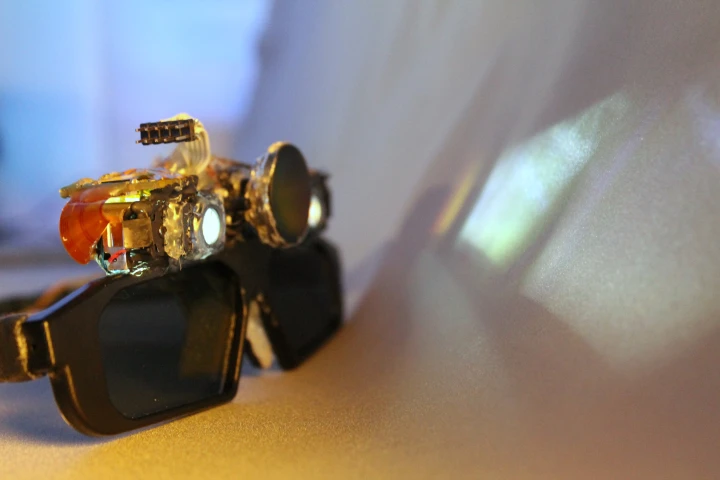 Augmented reality that's portable, multiuser, flexible, cheap, and intuitive? Gizmag demos the CastAR system at World Maker Faire 2013 and brings back all the details about a fun gadget that's gearing up to enter the marketplace.
 -
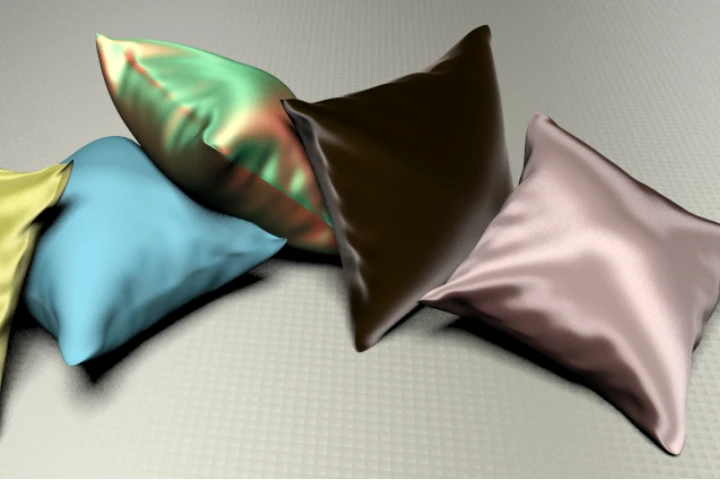 Computer scientists have come up with a new simple, accurate way to simulate the appearance of fabric that could change the way artists and animators in the film and computer game industries go about the business of rendering computer-generated clothing and other materials.
 -
 Disney Research has developed an algorithm which can generate 3D computer models from 2D images in great detail, sufficient, it says, to meet the needs of video game and film makers.
 -
 By rigging an Android smartphone as an electromagnetic field indicator, interaction designers Luke Sturgeon and Shamik Ray have visualized the fields around everyday electronics using long-exposure photography and stop-motion animation.
 -
 For those germ-conscious shopaholics who think public touchscreens are a just a conduit for nasties, this is the 3D interactive shop window for you.
 -
 Google Labs has revealed an interesting example of HTML5 and WebGL technology in the Body Browser, an interactive 3D journey through and around the human body.
 -
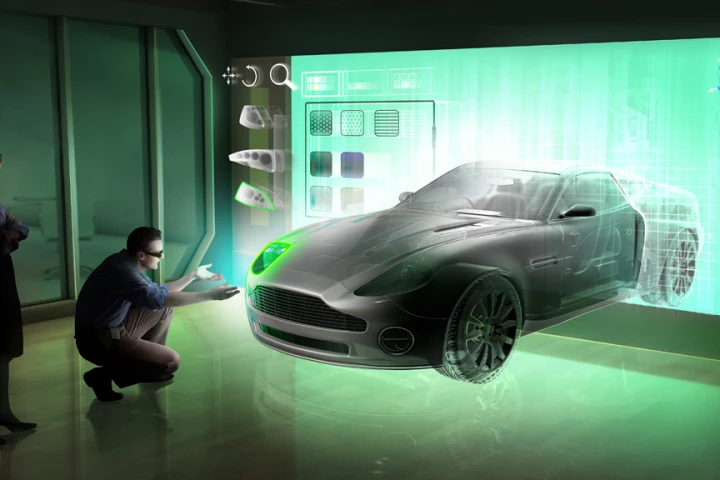 NVIDIA is targeting the professional market with its 3D Vision Pro.
 -
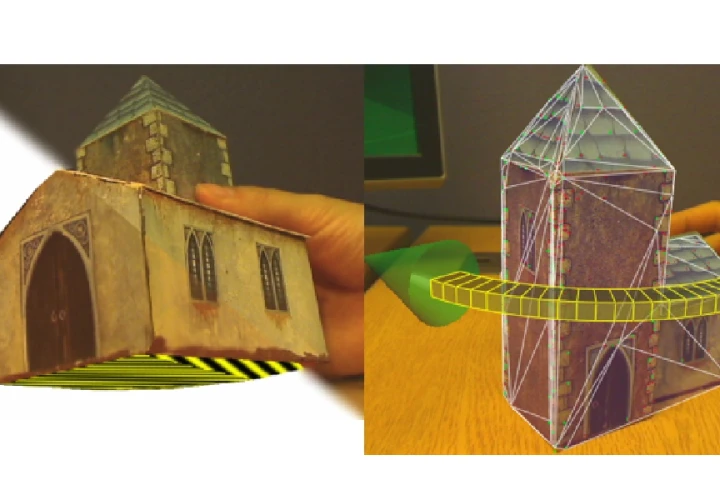 Cambridge University PhD student Qi Pan has designed software that creates textured 3D models of an object in slightly more than a minute using a stationary camera.
 -
 September 5, 2008 Xerox has been responsible for some of the most important innovations of our time and graphic artists the world over will almost certainly count this one as equal to any that have come before. Preparing detailed brochures and flyers with special folds can be an incredibly exacting