

Tesla just wrapped up its earnings call for the 2025 fiscal year, in which it recorded that its year-on-year profits dropped by nearly half. Its GAAP net income came to US$3.8 billion, down from $7.1 billion in 2024, representing a 46% decline. Oof.
That's rough stuff to weather for any automaker, but Tesla believes it's got the path forward figured out. The company plans to shift from a focus on electric vehicle (EV) production to a broader mandate of realizing total autonomy through AI and robotics.
The move is predicated on optimism about a future driven by these technologies driving down prices for goods and services, and becoming increasingly more prevalent and valuable.
We can see the company heading in that direction through a number of major changes, the first of which will be felt soon by Tesla owners. Earlier this month, CEO Elon Musk said Tesla's Full Self-Driving suite of driving assistance features (currently mostly Level 2 capabilities) will no longer be sold for a one-time fee; from February 14, it'll only be available via a monthly subscription. That might be priced similar to the existing $99 per month/$999 annual fee option initially, but it may increase as more functionality is unlocked.
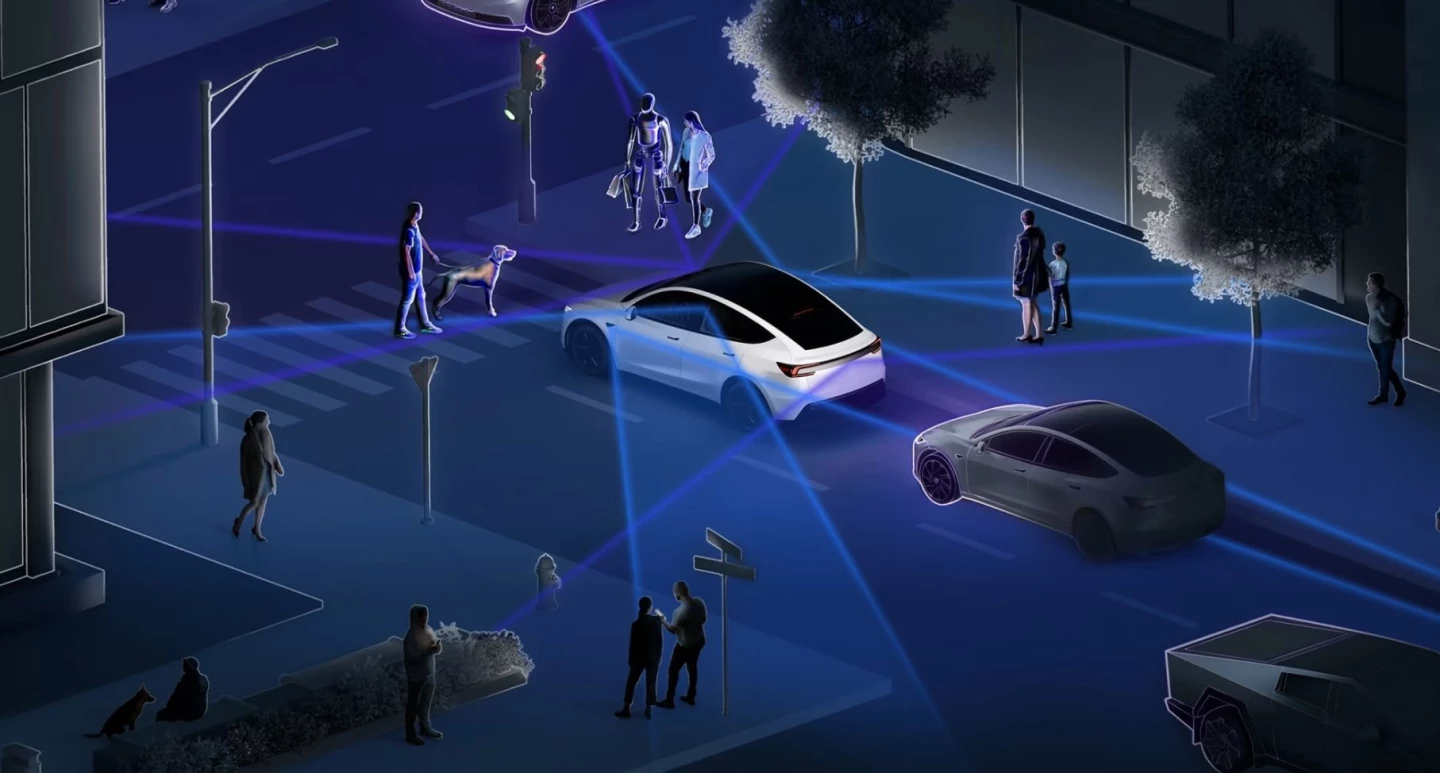
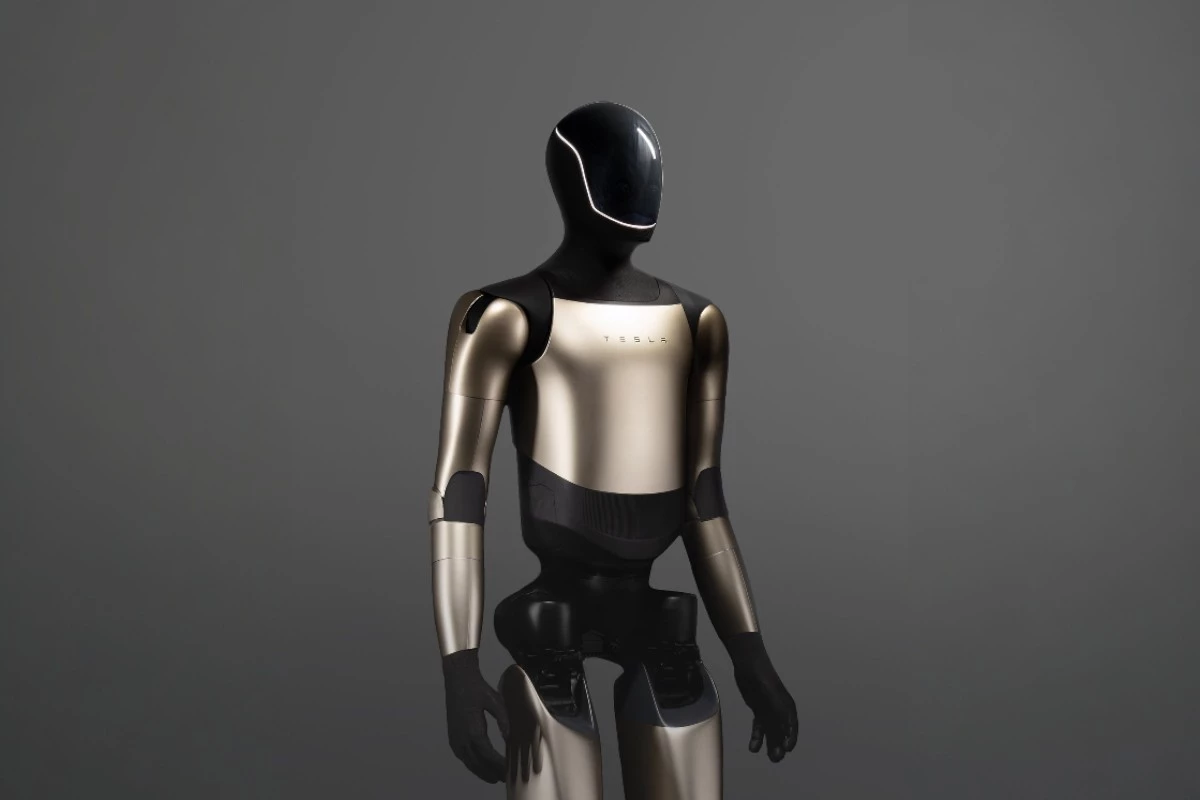
Next, it's ending production of the Model S luxury sedan and Model X crossover SUV (both of which are priced around the $100,000 mark) – which Musk referred to as an "honorable discharge" – to focus entirely on autonomy. The production space at the Fremont, California, factory previously used for these models is being converted into a dedicated Optimus humanoid robot factory.

That's big, but also somewhat inevitable. These legacy models have been around for over a decade, and have seen sales figures drop to less than a third of the more recent Model 3 and Model Y vehicles through 2025. If you're still keen on them, you'll want to snap one up while the current lot is still available. Tesla won't make any more of these, but will continue to support them as long as they're operable.
Now for the robotics bit. We've seen the Optimus shown off in various stages of development over the past few years, but it hasn't yet really blown people away. At a company event in October 2024, these robots were walking, talking with guests, and making drinks – but it turned out they were being remotely controlled by humans the whole time.
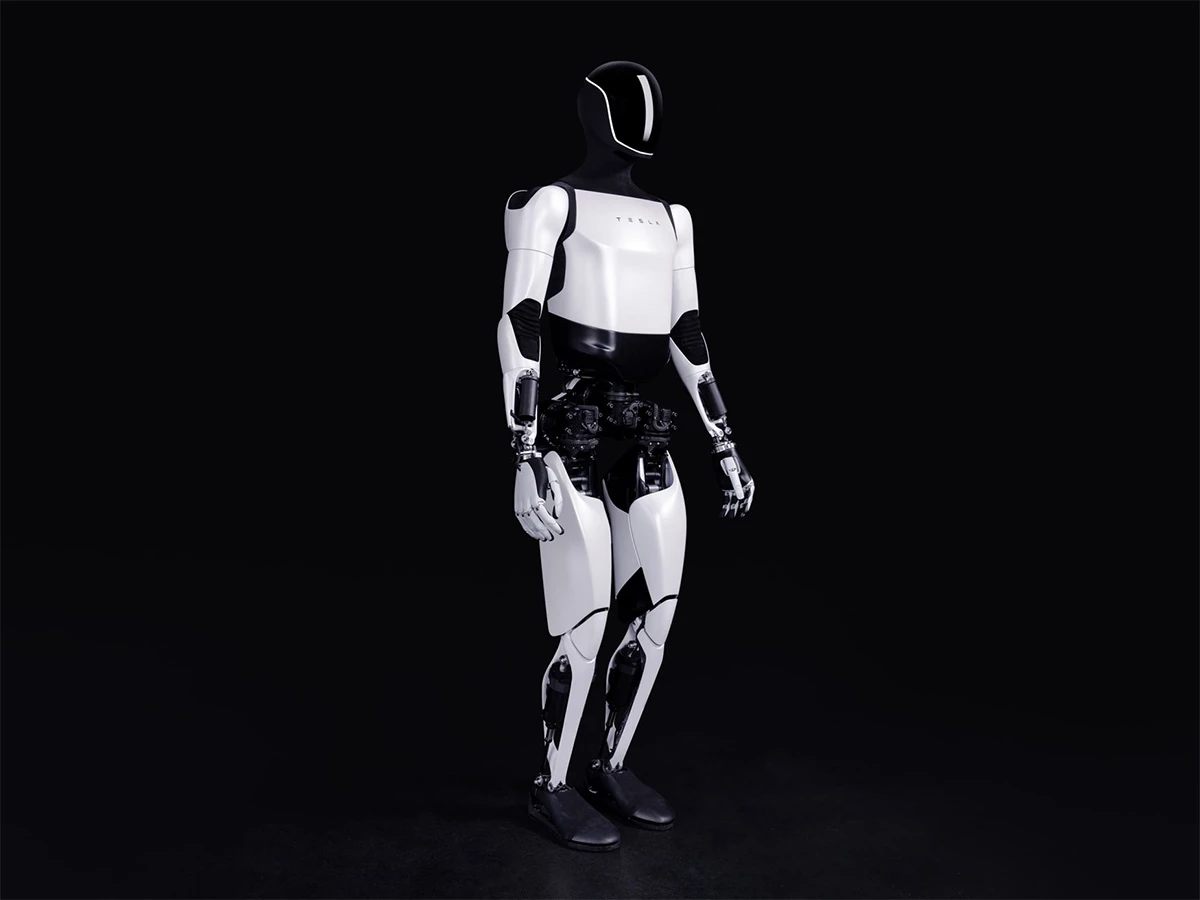
So while these bipedal bots are being touted as capable of performing chores around the house, carrying loads of up to 45 lb (20 kg), assisting factory workers, and eventually being shipped off to space, there's still a long way to go before they're ready for prime time.
Tesla aims to reach a production capacity of one million Optimus units per year at the Fremont factory, achieve significant production volume by the end of 2026, and begin selling them in 2027. That's a tall order, to say nothing of hitting the $30,000 price point Musk has in mind for it.
Beyond this, Tesla is gearing up to begin manufacturing the Cybercab, a two-seater robotaxi with no steering wheel in the cabin. The concept was shown off in 2024, and it's set to begin production this year. To that end, the company is currently in the tooling phase; Musk previously noted production would begin this April. It's already testing self-driving taxi services using repurposed Model Ys in Austin, Texas, so it'll at least have logged some miles ferrying passengers around without a driver behind the wheel by the time the Cybercab is ready.

The company's also working on advanced AI compute capabilities and its own chips to power autonomous operations in its products, and it's building its own lithium refineries in the US to support its battery production efforts. So if everything goes to plan, we'll see a vastly transformed Tesla in the near future. I just wouldn't hold it to those timelines, though.
Source: Tesla (YouTube)