
Electromagnetic
-
 With a single invisible shot, Raytheon's Coyote Block 3 UAV zapped swarms of drones out of the sky in a US Army demonstration showing that a reusable drone with electromagnetic weapons is an economical alternative to explosive interceptors.
 -
 The next frontier in unmanned aerial vehicle tech is all about keeping these aircraft fueled indefinitely. If we can crack it, drones could stay in the air longer, avoid landing to recharge, and carry on with their missions without interruption.
 -
 Researchers have developed a way to use high-frequency electromagnetic waves to visualize objects that are hidden from view – such as a tool in a pile of junk or a vase in a cardboard box – with much greater accuracy than before.
 -
 Drill bits are out, death rays are in. On May 21, 2025, New Atlas hit up Quaise Energy’s literal groundbreaking demo in Houston, Texas where a mm-wave maser melted rock to unlock the deepest, hottest, cleanest energy anywhere.
 -
 Taking a plot point from the 1990 Sean Connery movie thriller The Hunt for Red October, DARPA is working on a super-silent submarine drive that has no moving parts and provides propulsion through the water using magnets and electricity.
 -
 Researchers at Drexel University have created “Faraday fabrics” that can block almost all electromagnetic waves. The key ingredient is a 2D material called MXene, and the development could help protect wearables from interference and people from potentially dangerous radiation.
 -
 Electromagnetic shielding is usually placed around electronics to prevent interference. Now, engineers have found that a 2D material called titanium carbonitride is excellent at the job, absorbing rather than reflecting electromagnetic waves.
 -
 Scientists at EMPA have developed a new aerogel-based material that blocks a wide range of electromagnetic radiation frequencies, forming what they describe as by far the lightest electromagnetic shielding material in the world.
 -
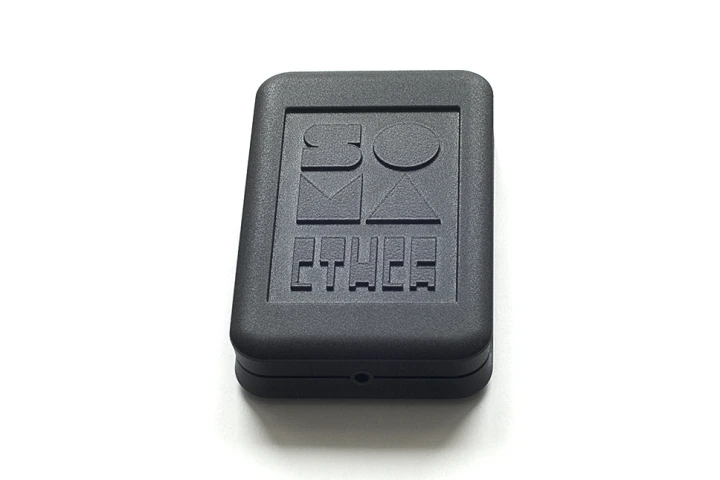 Soma Laboratory has developed a handheld gadget that taps into the hidden voices of everyday modern objects, such as display screens, park railings and electronic doors. Ether picks up secret electromagnetic whispers and records the audio to a cabled audio recorder.
 -
 While we've seen a number of devices that use ultrasound to ward off mosquitos, many people maintain that such deterrent systems just don't work. The Nopixgo Mosquito Bite Protection Wristband takes a different approach, emitting electromagnetic waves instead.
 -
 Lock up your flywheels, folks, an American inventor is coming after them. RK Transportation is working on an idea that replaces an engine's flywheel with a lightweight rotor with embedded magnets, to apply pulses of electric torque just when they're needed in search of easier acceleration.
 -
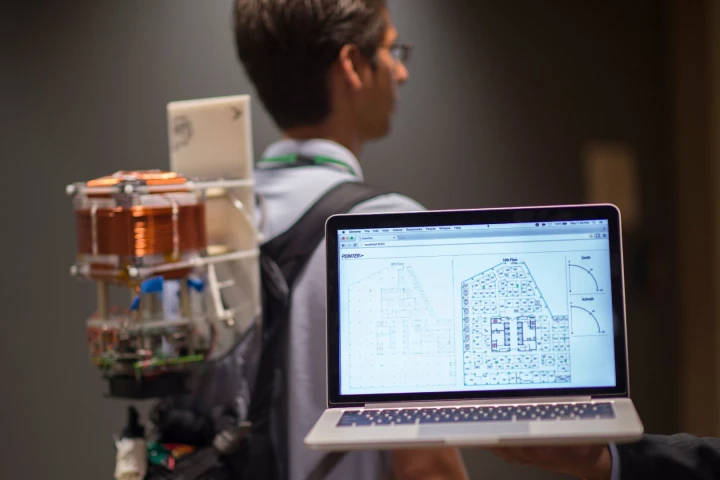 The question of how to track and locate first responders in an involved structure that blocks radio signals has long frustrated firefighters. Could a NASA electromagnetic tracker help them rescue lives without risking theirs?
Load More