





This year has produced more than its fair share of fantastic buildings, and we've decided to take a look back at the best. From a house that was 3D printed using soil, to an upcoming megatall skyscraper, here's our selection of the top 10 architecture projects from the past 12 months.
We're aiming for variety here and our selection of the year's best architecture highlights projects from all over the world. We're also focusing on buildings and structures that are either completed or are at least well on the way to being finished, so there are no crazy ideas that aren't going to happen.
Our selection is presented in no particular order, and you can also head to the gallery to see more photos and information on each.
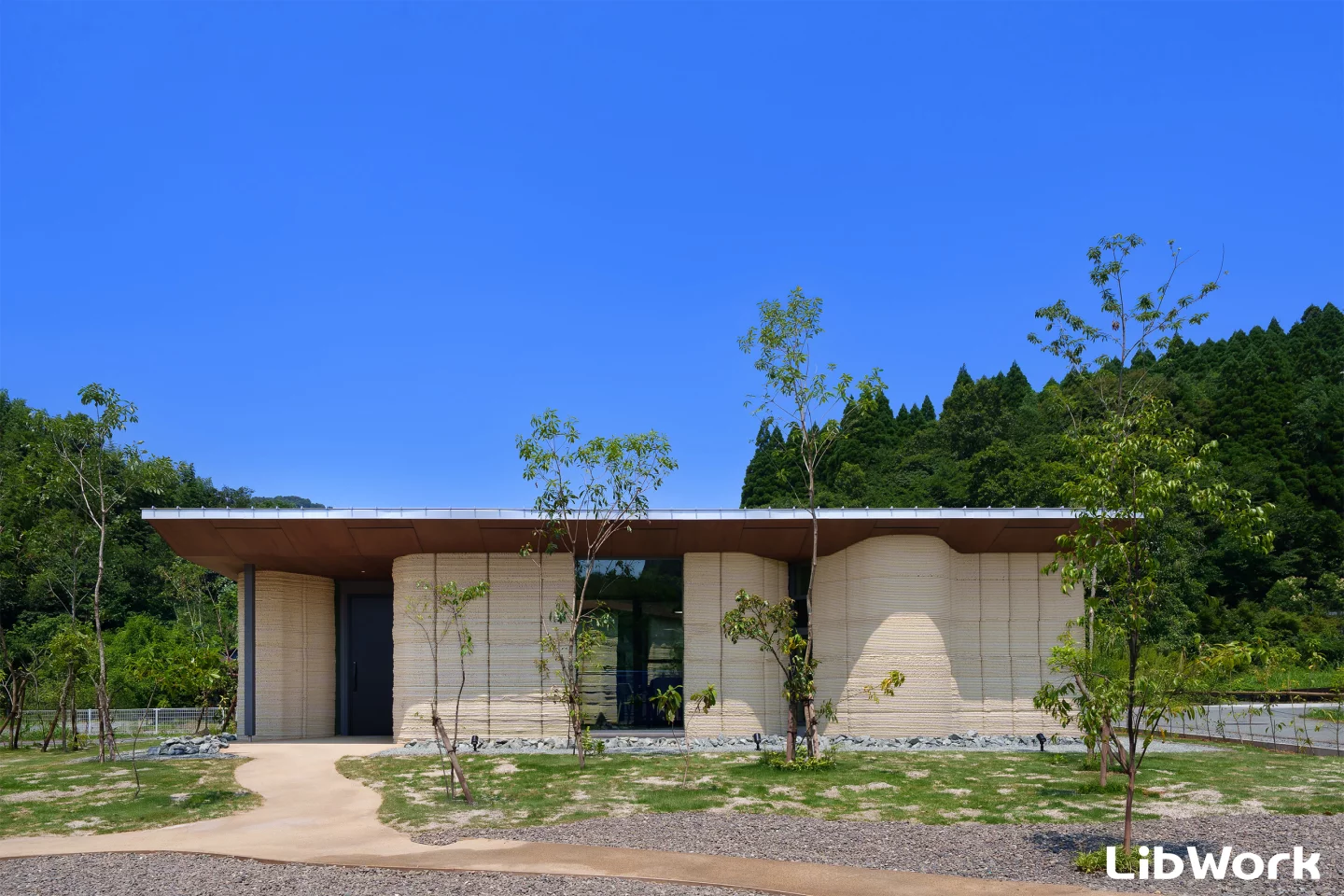
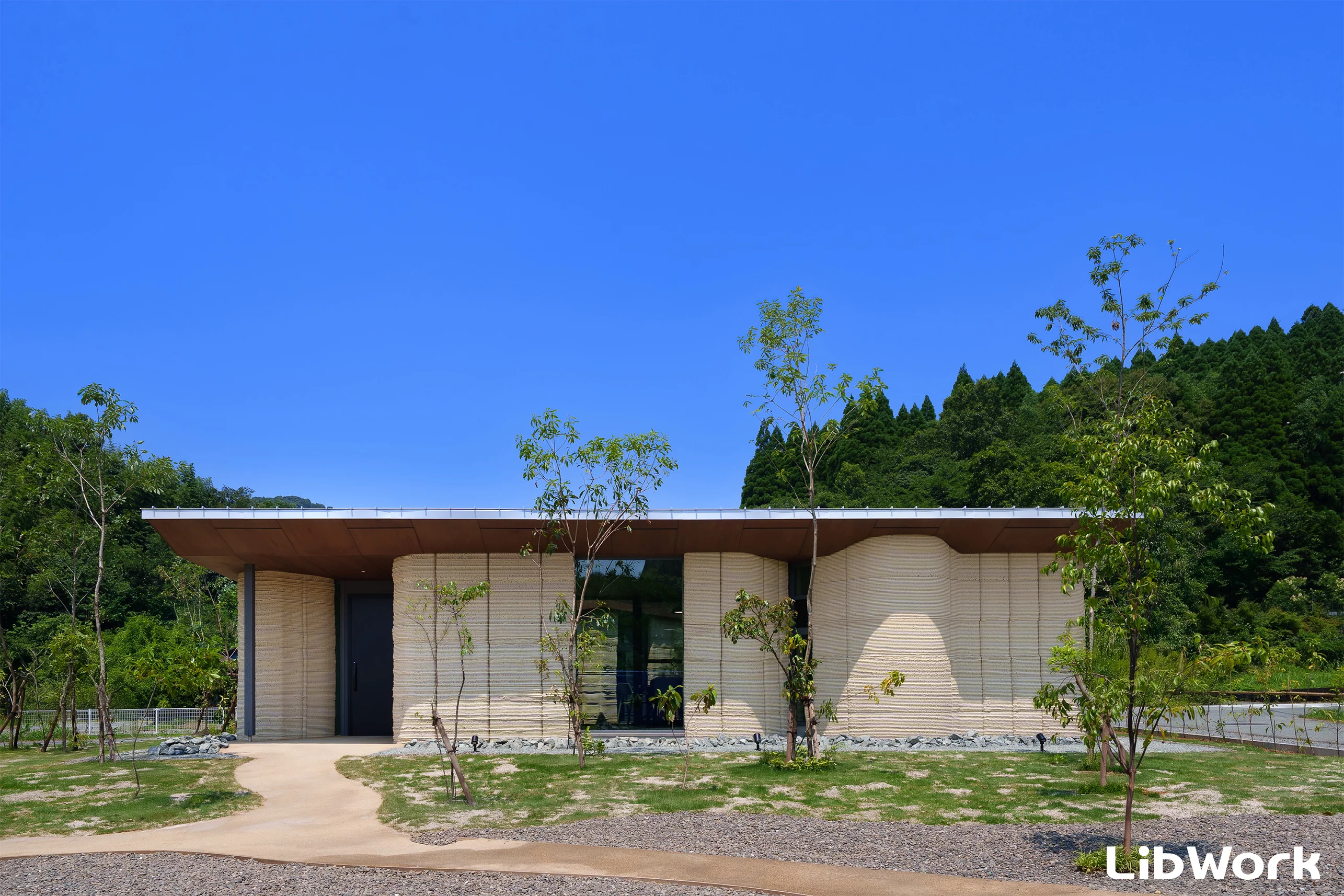
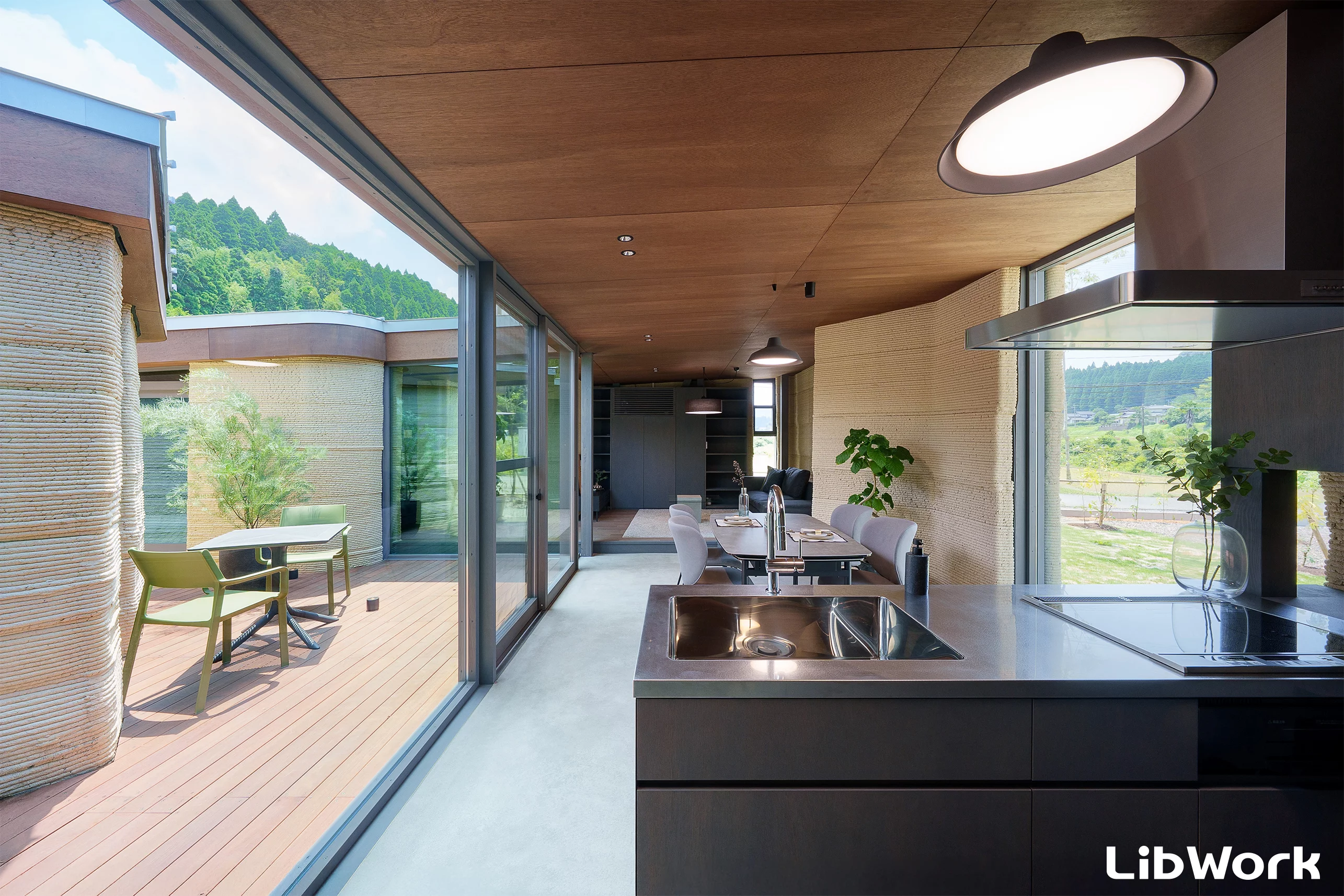
The Lib Earth House Model B was built with 3D-printing technology – but with a sustainable twist: instead of being constructed using concrete like most 3D-printed buildings, it's predominantly made from a soil-based mixture.
The remarkable Japanese house, by Lib Work Co., looks like a normal light-filled 3D-printed residence and runs off-grid using a Tesla Powerwall battery storage system and solar panels. However, once it reaches its end of life, it can be dismantled and mostly returned to soil, reducing landfill waste.

Most modern timber towers feature a concrete core for stability, but the Fyrtornet office tower, by Wingårdhs, rises to an impressive height of 51.5 m (169 ft) using only wood (apart from its foundations), highlighting the sustainable possibilities of timber construction.
Structurally, the tower consists of glulam (glued laminated timber) beams and diagonals, and CLT (cross-laminated timber) floor slabs. Its core, which provides structural integrity and houses the stairs, is also made from CLT. The building was largely prefabricated elsewhere and assembled on-site. Solar panels add to its green cred and transportation by train was also used to move around building materials, minimizing CO2 emissions.

Bamboo is an incredibly useful building material, as we're reminded by Blue Temple's Housing NOW project in Myanmar. Instead of relying on imported materials, it uses local bamboo to provide hardy homes that recently withstood a 7.7-magnitude earthquake.
Costing around US$1,000 each, the homes are very simple and are essentially one-room huts with open walls that allow for natural ventilation, while raised flooring keeps the interiors dry during heavy monsoon rains. The roofs are made from lightweight panels, and the external facades can be customized with woven bamboo or timber.

The Holy Redeemer Church and Community Centre of Las Chumberas, by Fernando Menis, recently won an architecture prize for its rugged concrete design and community focused approach. Made up of four independent parts, it was constructed in phases over more than a decade, as funding became available.
Located in Spain, it's defined by its rough concrete walls, which are inspired by the local volcanic landscape. In a nice touch, narrow cracks filled with sculptural metal and glass filter daylight inside beautifully and help enliven the uniform material palette.

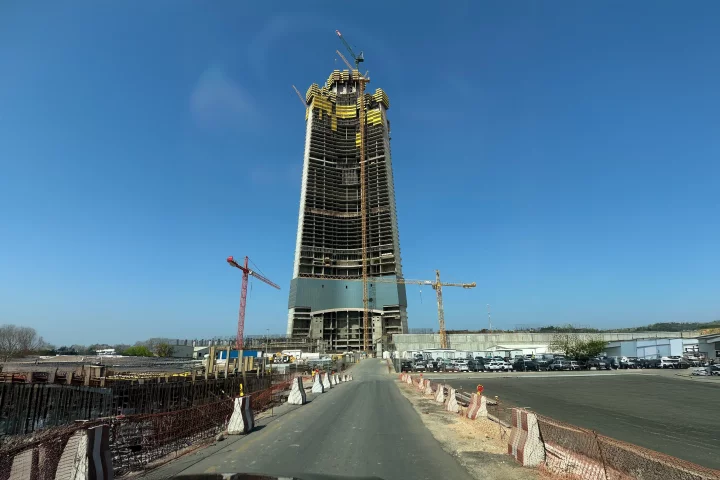
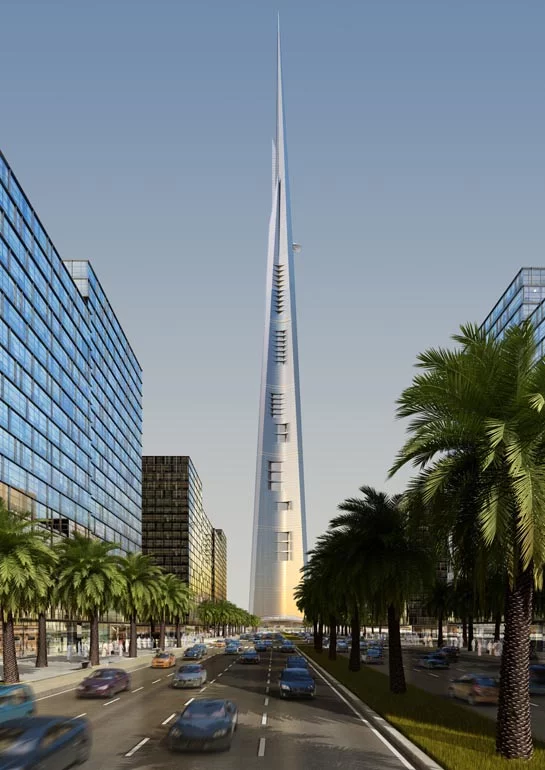
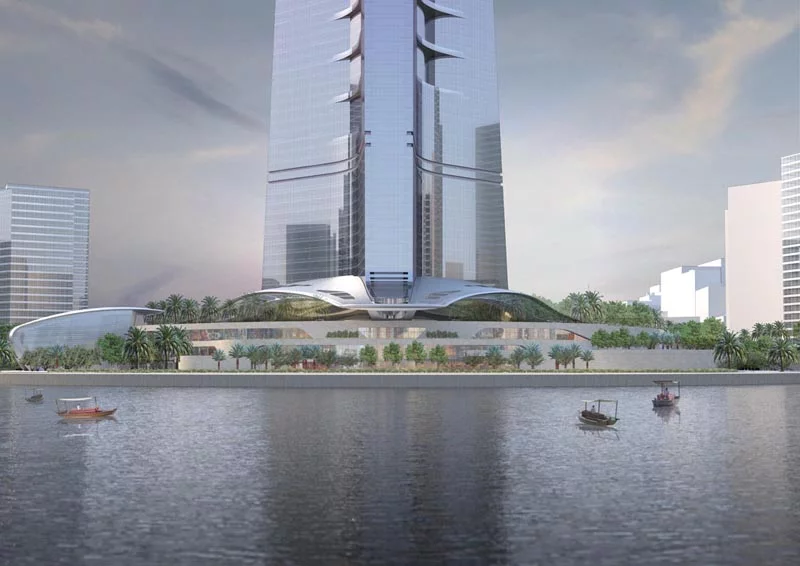
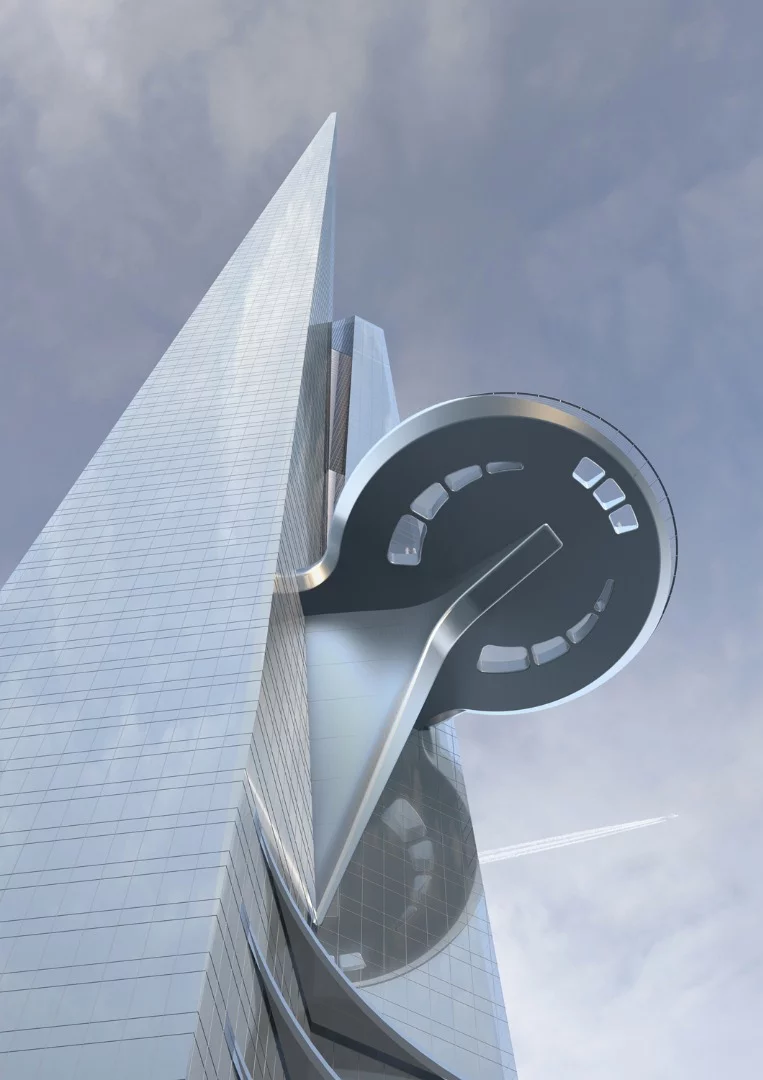
The mind-bogglingly tall JEC Tower is finally nearing completion in Saudi Arabia and is set to be the world's new tallest building.
The megatall's final height has not yet been made public, however architect AS+GG recently reconfirmed that it will exceed 1 km (0.62 miles), or around twice the height of the USA's tallest skyscraper, the One World Trade Center. It will host the world's highest observation point and a cavernous interior with hotels, offices, and homes.

Florian Busch Architects' House W takes the form of a timber barn, but it's actually an energy efficient residence that harnesses almost twice as much power as it requires annually.
Located in rural Japan, it's situated on the site of an old farmer's barn, and draws inspiration from this. The exterior is part-finished in a solar skin that allows it to run off-grid (together with a battery array). Timber is used throughout the interior and the rooms have high ceilings and open layouts, while adjustable louvers are used to control sunlight, blocking it in summer and maximizing it for warmth in winter.

Don't laugh, but a sewer is indeed one of our picks for most impressive architecture projects this year. The Thames Tideway Tunnel connects to London's existing 150-year-old sewer system at multiple points, boosting capacity. It was a huge undertaking and took over 10 years to realize. Approximately 4.7 million tonnes (5.2 million US tons) of soil was removed during construction and it has a length of 25 km (15.5 miles).
Its main tunnel is 7.2 m in diameter (23.7 ft), the equivalent of three London double decker buses. Shortly after opening it had already saved over 2,200 Olympic-sized swimming pools of poop from entering a local river.

The Big Apple has a sizable new addition to its iconic skyline. Designed by Foster + Partners and Gensler, 270 Park Avenue rises to a height of 1,388 ft (423 m), making it one of the tallest buildings in the United States.
The supertall features a distinctive design that responds to the space constraints on the tight urban site. It's elevated above street level on large fan-flared columns, with an eye-catching cantilevering bronze-stepped exterior offering a change from the many rectangular glass towers in Manhattan. The attention to detail both inside and out is notable, and even goes so far as to include an artificial breeze that keeps a US flag installation always flapping in the wind.

3D-printed housing continues to grow in popularity in the USA. This impressive example is named VeroVistas and consists of two 3D-printed Colorado residences by VeroTouch, in partnership with developer South Main.
A COBOD 3D printer extruded a cement-like mixture out of a nozzle to create the basic structure of the homes in layers, then human builders came in to finish them off. Both are arranged on a single floor, with interiors designed to be light-filled and comfortable. Each has two bedrooms and two bathrooms. As far as their decor goes, one retains the characteristic ribbed concrete look of 3D printing, while the other has a more traditional stucco-style interior finish.

It's been a long time coming, but the extraordinary MAD Architects-designed Lucas Museum of Narrative Art in Los Angeles is now finally structurally complete. Work continues inside readying for its opening in a few months.
A passion project by George Lucas and his wife Mellody Hobson, the museum went through many twists and turns before settling on its current stunning spaceship-like design. It's raised above the ground, creating a shaded space for visitors below, while its exterior walls are finished in over 1,500 curved fiberglass-reinforced-polymer panels. It's also topped by greenery. The building reduces its carbon footprint with rainwater collection systems, plus a large solar panel array.
And that's it for this year's selection. Don't like our picks? Hit the comments to let us know the projects that caught your eye in 2025.