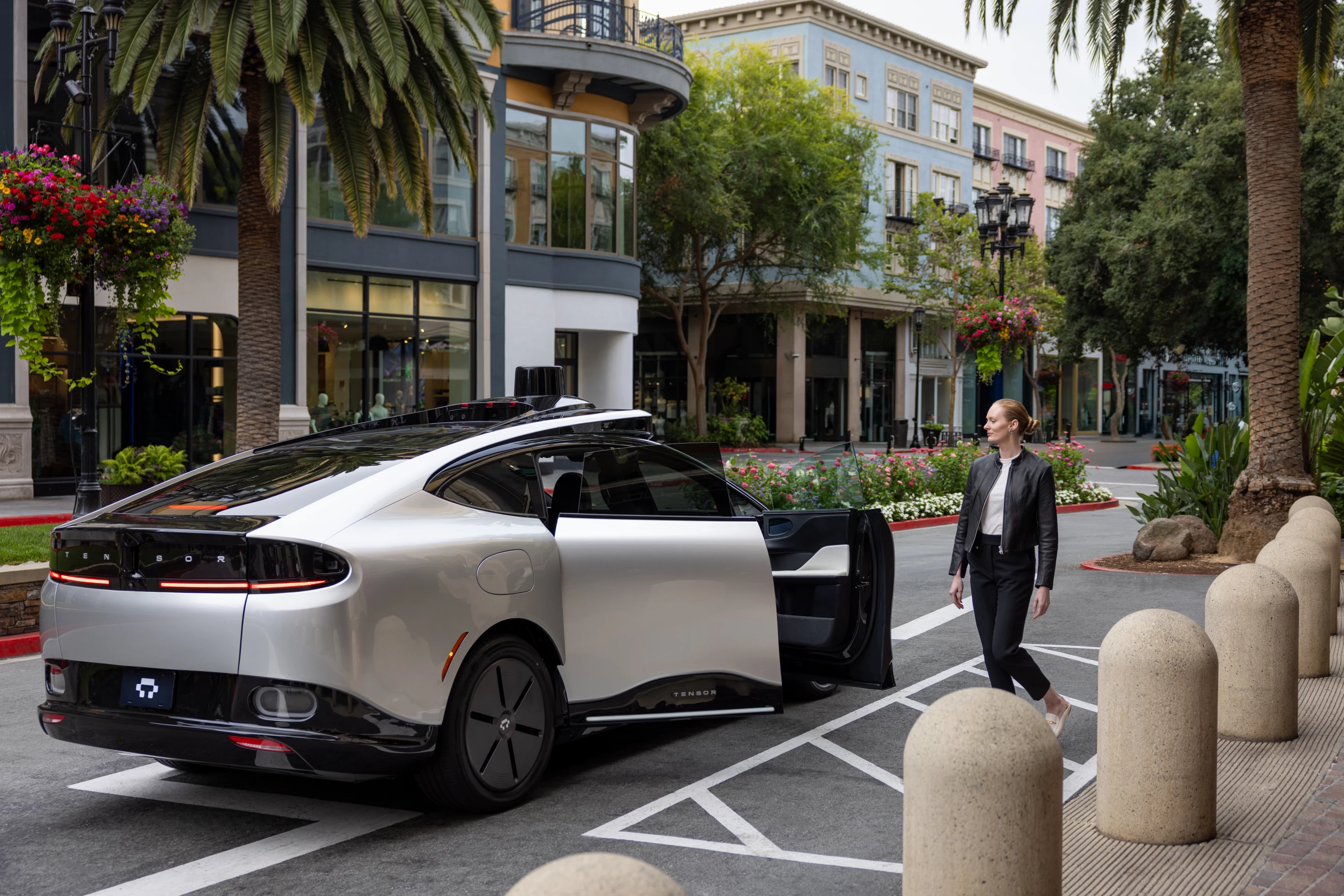

Most fully autonomous cars are being deployed in commercial settings, such as those used by driverless-ride providers like Waymo. However, a new company called Tensor plans to bring an L4 robocar to consumers next year, and it looks damn impressive.
While there are plenty of cars on the market now that offer extensive self-driving features, a true level 4 autonomous car that can be purchased by consumers has not yet hit the market. Tensor, a company based in San Jose, California, aims to change that with its planned 2026 release of the all-electric Tensor Robocar.
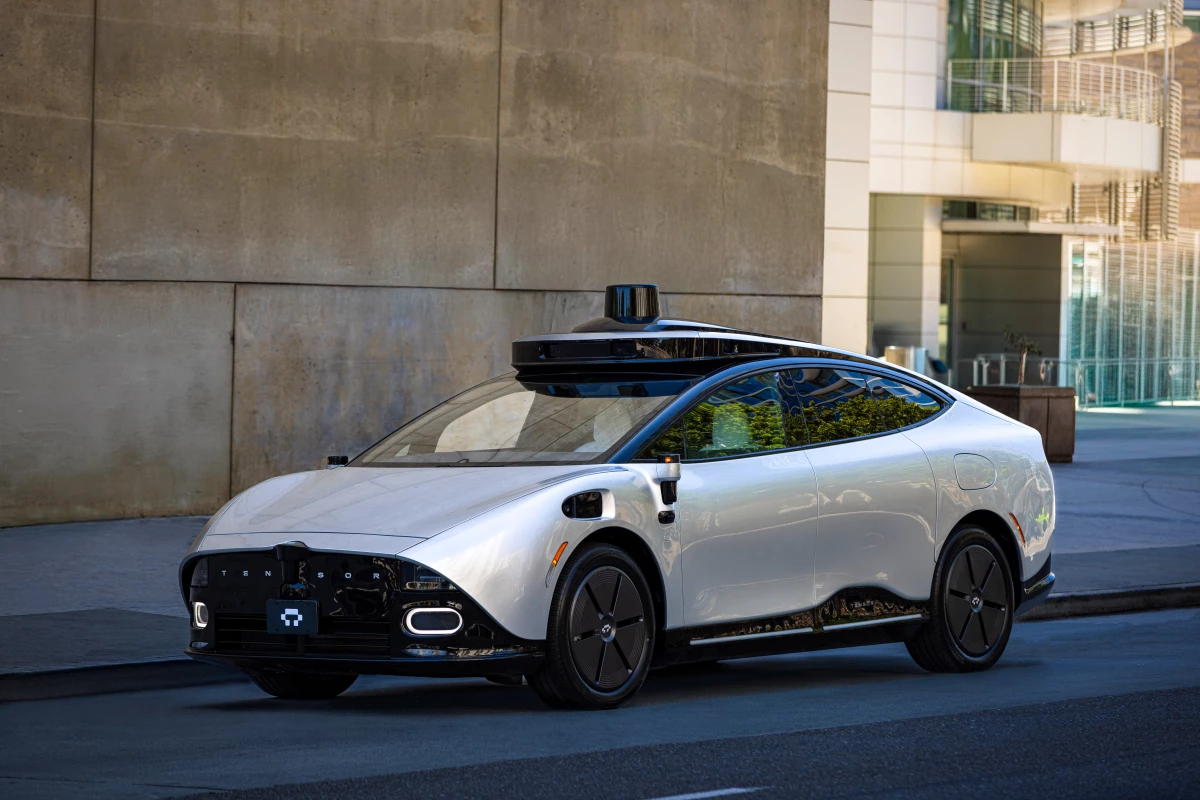
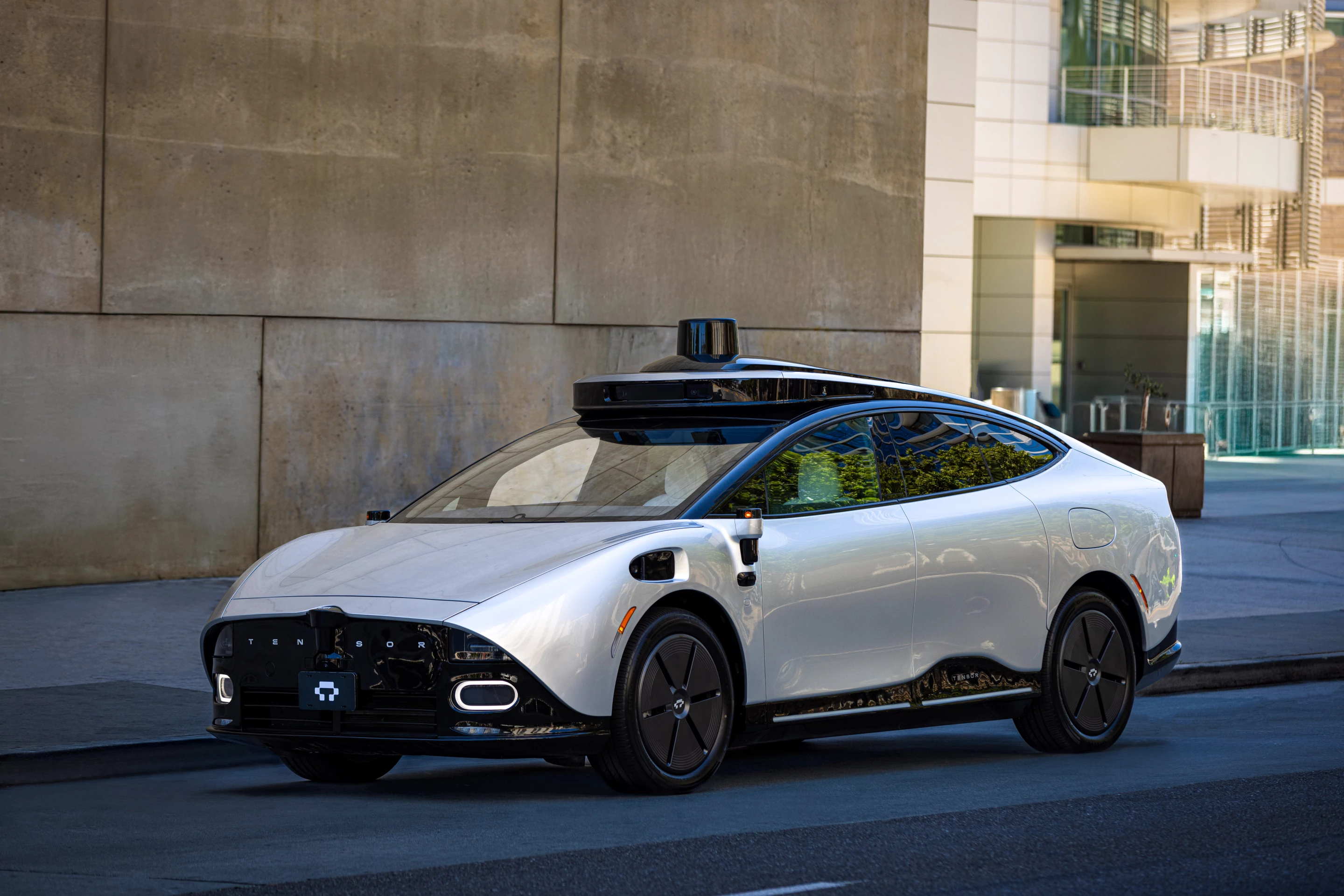
Unlike other car manufacturers that are building self-driving features in new iterations of previous models, Tensor has had the benefit of building a self-driving car from the ground up. This means that every aspect of the car is designed to accommodate an extensive sensor system.
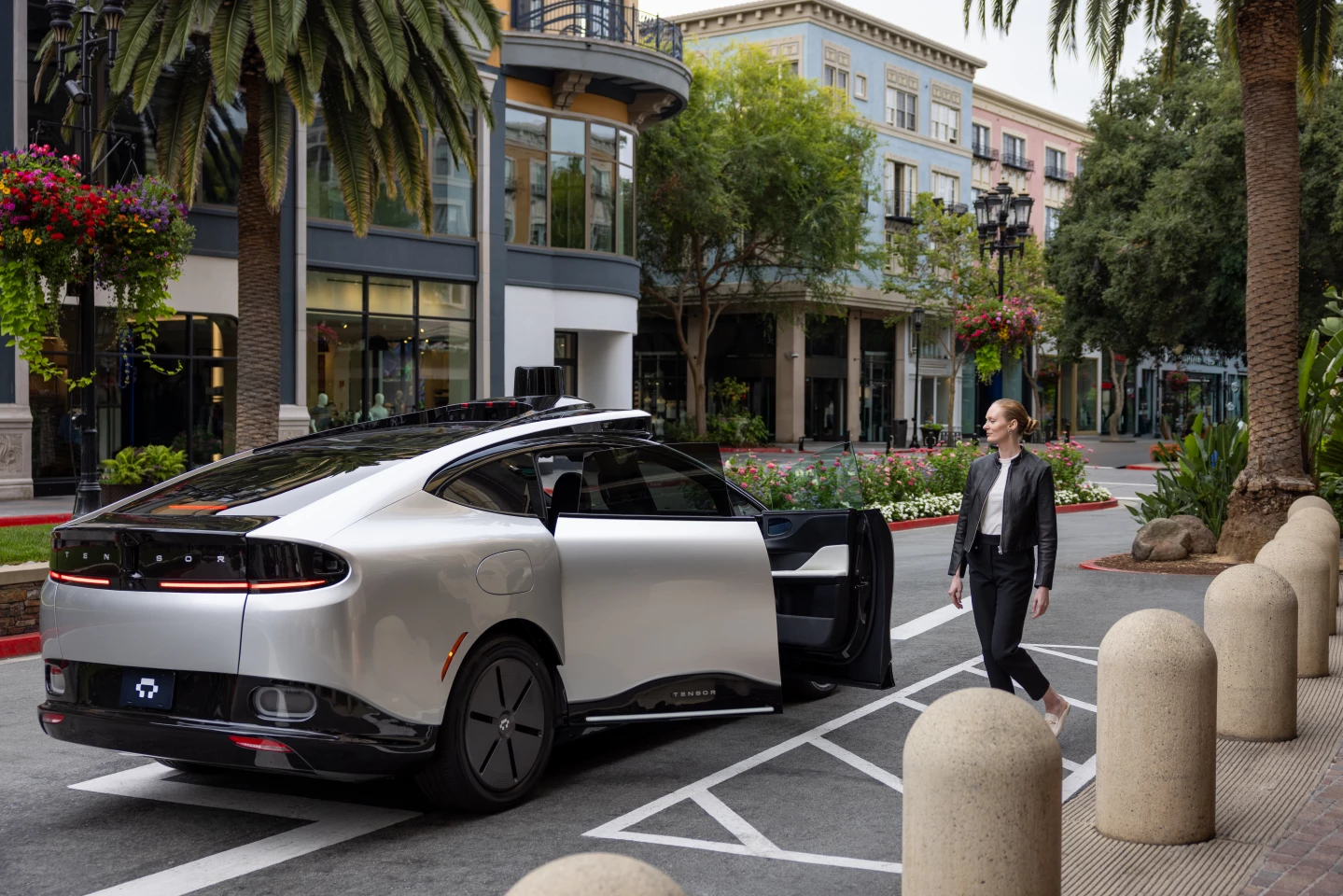
Sitting on top of the car is a LiDAR dome that brings to mind the camera system atop Google's Street View vehicles. The dome shoots out 25.6 million beams per second to analyze its environment and create what the company calls a "360° safety shield." The Robocar is also loaded up with 17 ultra-high-resolution cameras, recording at 17 MP resolution; six Trinova hyper-radars which, says Tensor, is the world's first radar that can detect "both stationary and moving objects across all distances at once;" and four external microphones that can listen for emergency vehicles and respond as appropriate.
All of that data is fed into what the company says is the "world's most powerful automotive computer" – 10 GPUs operating at 8,000 tera-operations-per-second (TOPS), 144 CPU cores, with a triple-layer safety redundancy featuring a wide range of chips and back-up chips. The system is designed to process over 53 GB of sensor data per second.
At the heart of the computer is an AI system with a neural network that was trained based on actual human driving data, rather than lab-based modeling. The company says that this leads to a much more natural driving experience that prioritizes safety. You can see that driving experience in the following Tensor promotional video.
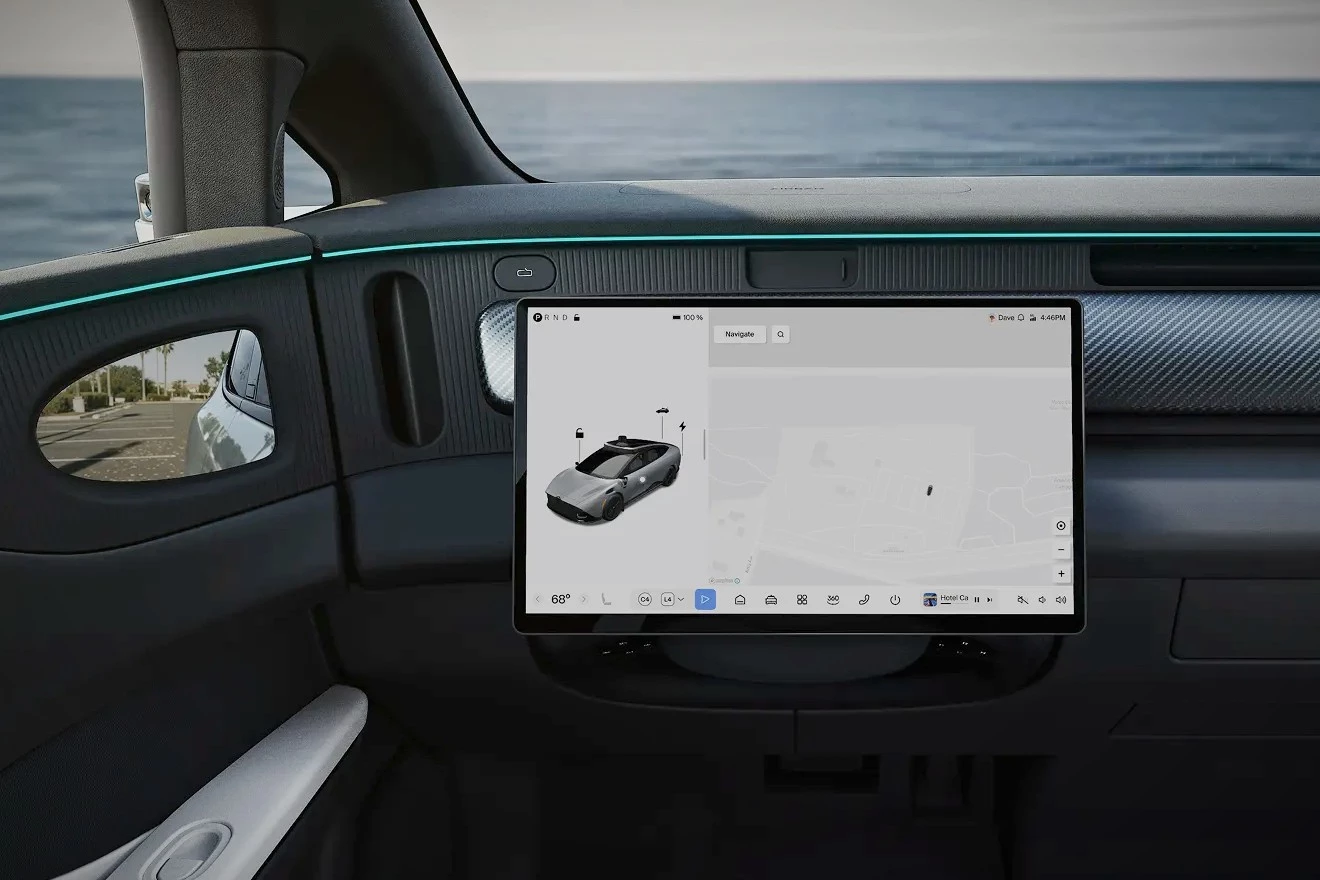
As you can see, the interior of the Robocar looks high-end and highly customizable. The steering wheel can be deployed when the driver wants to take control of the vehicle or when the car is being operated in a zone or in conditions that do not legally allow L4 autonomous driving, but it folds completely away – along with the gas and brake pedals – when the car is in control. When that happens, a display screen slides over from the middle of the dash to allow the driver to take video calls, watch content, or play games. Because the car works completely on a drive-by-wire and brake-by-wire system, Tensor says the steering wheel can even be used to play those games.
The vibe inside the cabin can be controlled thanks to 128-color ambient RGB lighting and the vanity mirrors have 19 color-temperature options and 17 brightness levels. There are also 29 different storage components inside the vehicle waiting for your stuff.
Thanks to an app the car can also be summoned from afar and, after a period of usage, the car's AI system will learn to respond to natural-language commands such as "take me to my kid's school." This Tensor video highlights the remote operation and voice command features of the car.
Like Teslas, the Tensor Robocar also has a camping mode, with fold-flat seats that can accommodate items up to 10-feet long, or stretched-out humans measuring a little less. It additionally has a pet transport mode meaning the car could drop Fido off at day care and pick him up at the end of the day and bring him home.
The Tensor Robocar is due to hit the market in 2026 and, while Tensor hasn't released pricing details, you can reasonably expect this car to sit at the upper end of the car-price ladder. We've reached out to the company to get more details and will let you know if we hear back.
And, while a true L4 self-driving consumer car might sound like more of a concept than a reality, Tensor received certification to operate in fully autonomous mode on California roads in 2020 and is rapidly bagging big contracts. For example, the company signed a letter of intent last month to provide up to 2,000 Robocars to GreenMobility, Denmark's largest EV car-sharing operator, and in October it announced an agreement to provide "Lyft-ready" cars so that those driving for the transportation company could begin earning money to pay off their pricey purchase.
So it definitely appears that the Tensor Robocar is indeed coming to showrooms and roads near you. If you're interested in owning one, you can join the "Priority List" on the company's website – and you might also want to start saving your dollars now.
Source: Tensor