






The all-new Origin motorhome from Coachmen blows up the existing motorhome classification system and welds the pieces together into something new. It's a Class A that incorporates a heavy dose of Class C, with a weighty sprinkle of Class B for good measure. While it was conceived in the US, it also draws heavily from European RV design. And yet, it transcends all those classifications and "origins" and just looks like a place in which we'd like to spend time.
Walking around the Düsseldorf Caravan Salon a few weeks ago, we were struck by the number of Class A-like integrated motorhomes that measure in closer in length to camper vans than the stretched buses we call Class As in the US. These little integrated motorhomes feel like true camper buses closer in size to local passenger transporters than triple-axle interstate coaches. And they seem ideal for many uses – a smaller footprint for easier driving, parking and storage, presumably better fuel economy owning to less weight, and a wider, squarer, larger living space than you get in a factory van. In short, the best of multiple worlds.
'Why don't we see more of these right-sized camper buses in the US,' we pondered after seeing our first half-dozen or so.
The Origin that Coachmen previewed this week isn't quite the ~23-foot (7-m) size that really caught our interest in Düsseldorf (but remains non-existent in the States). However, at 27 feet (8.2 m) long, it's dropping closer to that territory, especially when you look at the brand's existing Class A lineup, which primarily comprises models ranging between 30 and 41 feet (9.1 and 12.5 m) long. Further, Coachmen mentions plans for multiple Origin models ranging in length between 25 and 30 feet long, the former promising to make it one of the most compact new Class As available in the US.
The Origin essentially continues the exploration of smaller, sleeker European-inspired Class A motorhomes Coachmen initiated with the fittingly named Euro it introduced in 2024. The Euro lineup has three separate floor plans all based inside the same 28.3-foot (8.6-m) length vehicle, Coachmen's only sub-30-footer. It also includes a more curved windshield area quite reminiscent of the smaller motorhomes that caught our eye across the Caravan Salon and notably different from the taller, flatter front-ends on the rest of Coachmen's Class A models.
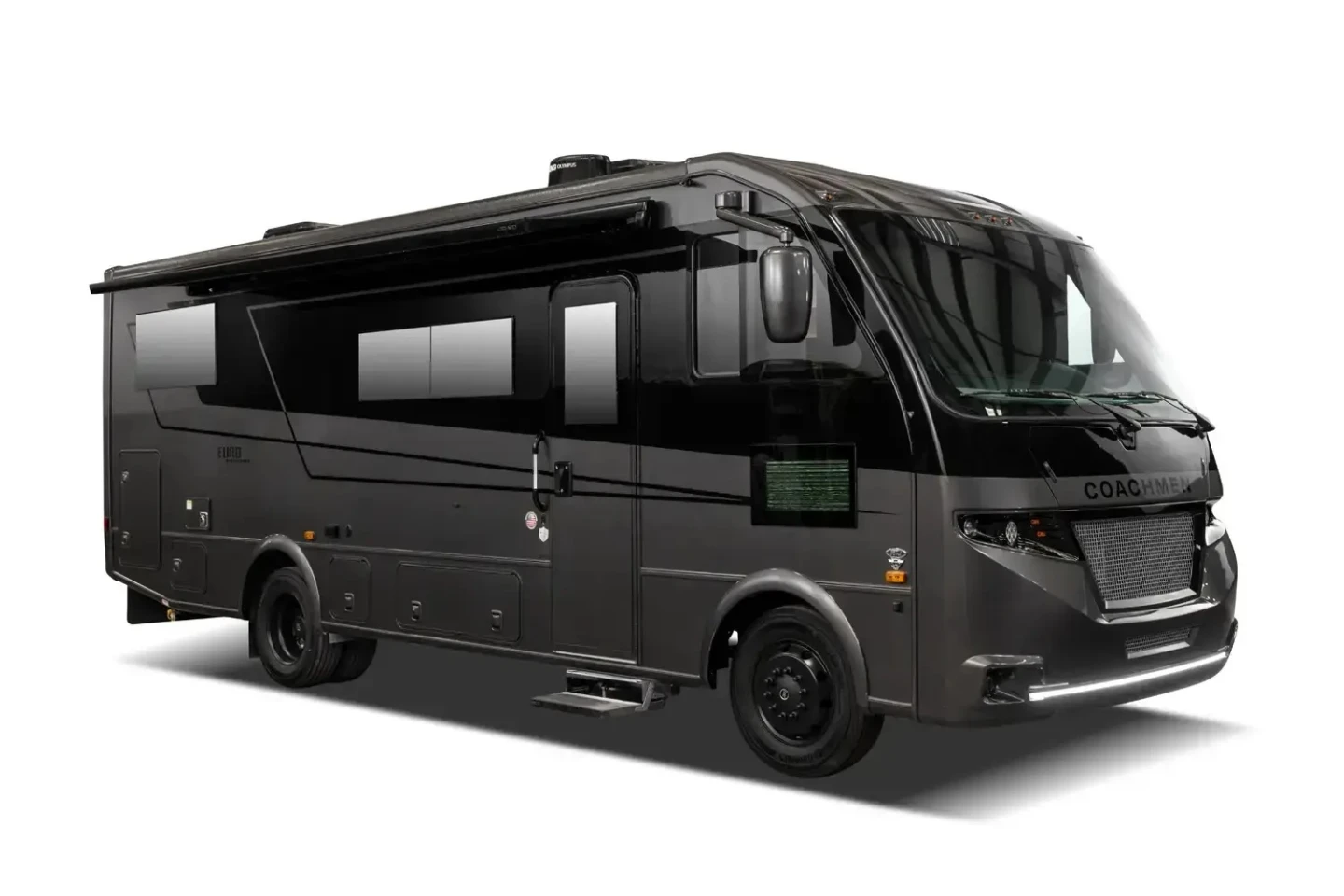
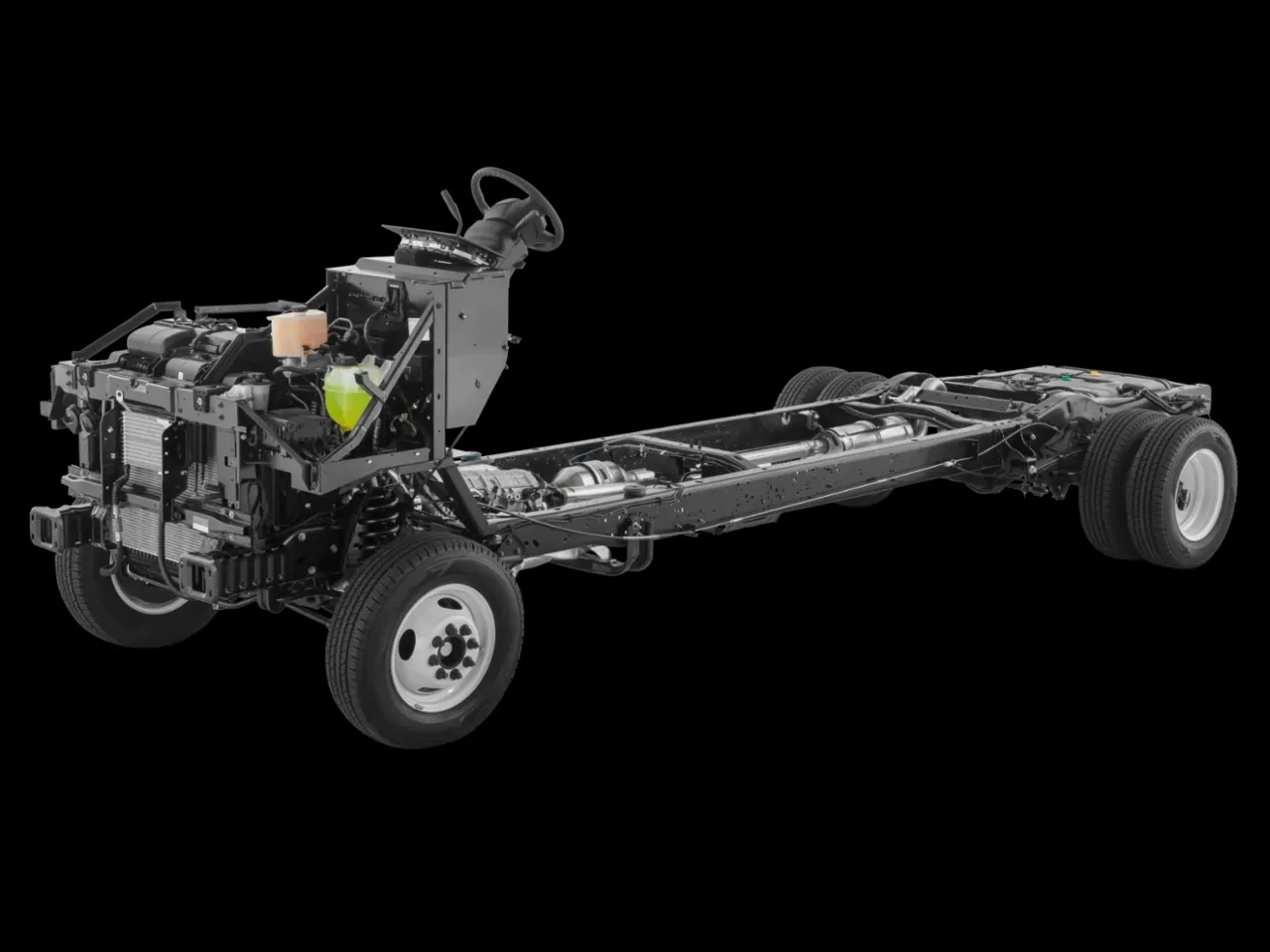
The Origin was purposefully developed from the ground up as a segment-splitter, starting with its Ford E-450 base. As you may or may not remember from a decade ago when Ford replaced its ever-rugged E-Series vans with the Transporter, it continued selling the E-Series cutaway chassis. It continues to do so today, and the chassis remains popular for Class C motorhomes – technically the midsize class despite the last-in-succession lettering. Class A motorhomes typically rely on a heavier duty chassis with higher gross vehicle weight rating, such as Ford's F-53.
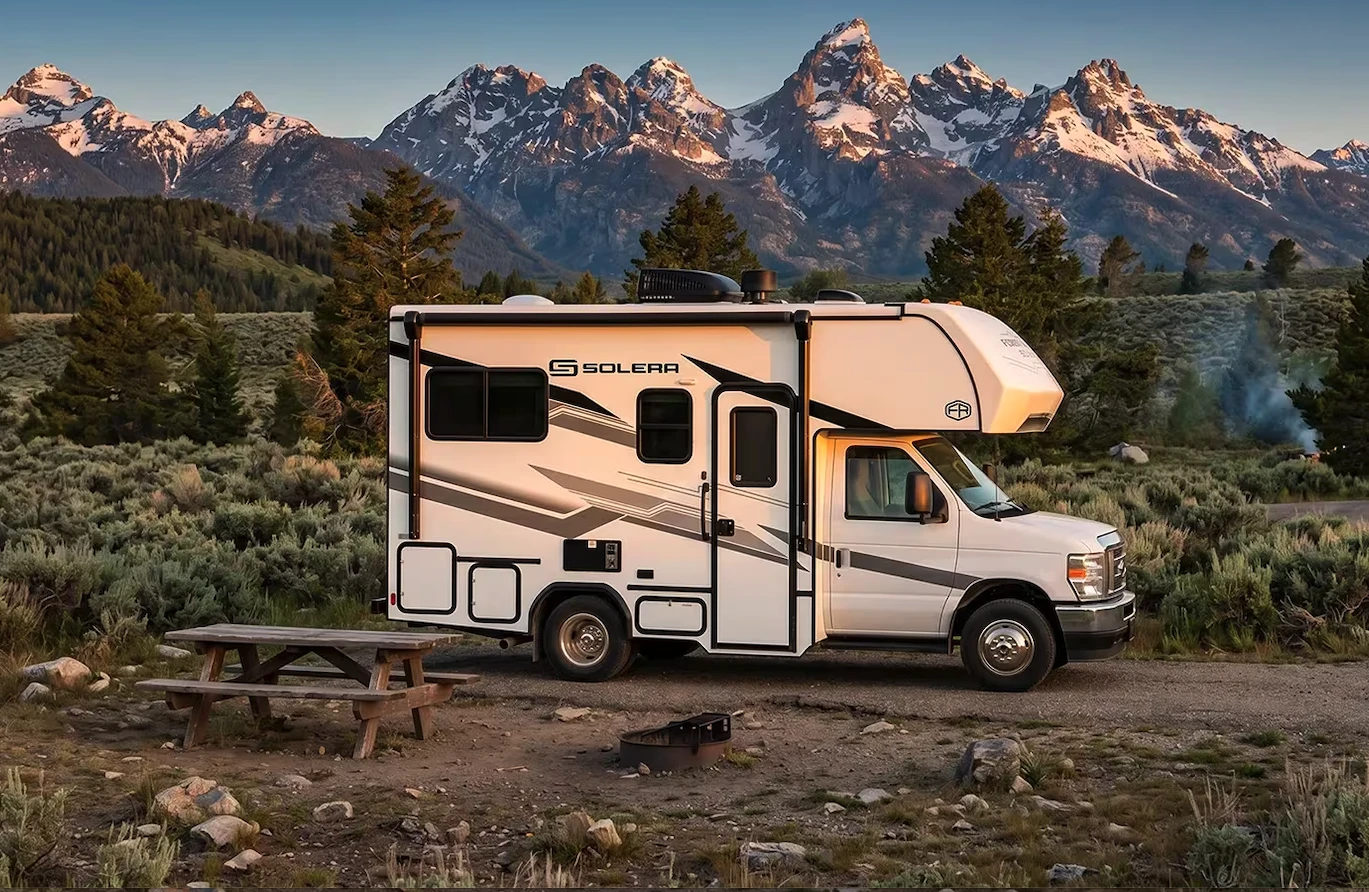
Class Cs feature purpose-built motorhome modules on the back of the van or truck chassis. Unlike Class A models, these aren't smooth, single-box integrated designs but have the automaker's original cab ahead of the main living box and usually topped with a large alcove.
Here's the Solera from Coachmen parent company Forest River's current lineup as an example:
While Class C motorhomes are built behind and atop the automaker's driving cab, Coachmen started with a stripped, cab-less chassis comparable to how it would usually approach a Class A, albeit with a lighter chassis it only otherwise uses for Class Cs. In doing so, it was able to develop its own cab area with a windshield it says measures 2.5x larger than the auto manufacturer windshields found on typical Class C motorhomes or Class B camper vans. It says the design blends the nimble cab size and maneuverability of a Class C with the broad visibility of a Class A.
Coachmen's work continues inside the cab, where it installs big, cushy custom seats stitched from hand-selected fabrics and stitching inspired by the luxury car market. A double bed lifts into the headliner during the day, then lowers down over the cab seats at night.
That lift-away bed is joined by two other doubles to give the Origin, a fairly compact Class A, the ability to sleep a total of six people comfortably. The second bed emerges from the sofa just behind the driver's seat, a design that conceals two individual recliners that tilt all the way back until creating the flat bed.

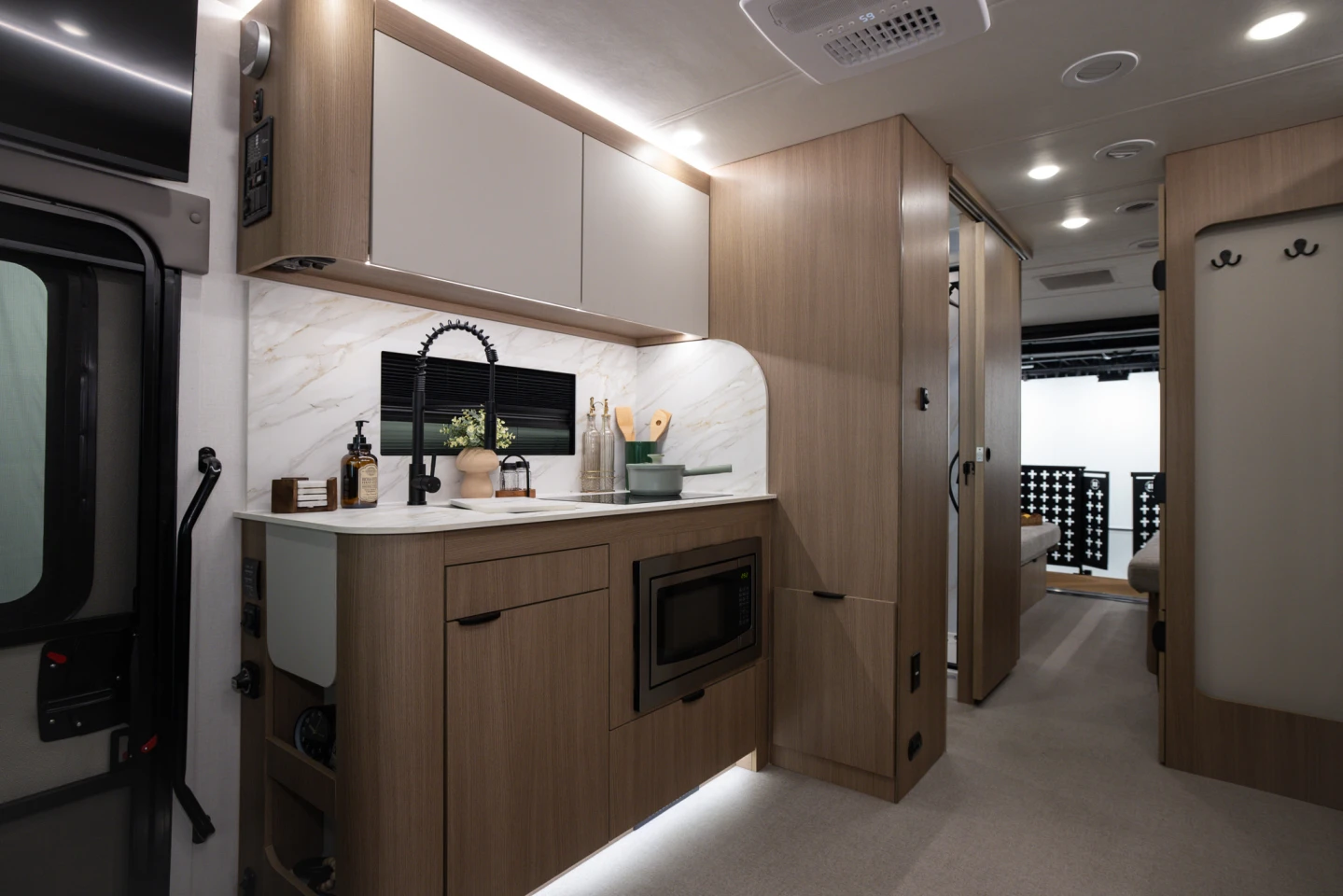
Across from the sofa, the premium kitchen block includes what appears to be a flush-mounted induction cooktop, a large sink with pull-out faucet, a microwave and a premium-grade worktop with extension. The large double-door fridge with drawer freezer is located on the other side, just behind the sofa.
Moving farther back, the Origin has a single dry bathroom with a closed-in shower behind the vanity sink and toilet. Across the way from that bathroom, the other large protruding console appears to house a wardrobe closet and climate control hardware.
The ultimate highlight of the Origin design is its rear deck area. Coachmen calls the split-door deck an industry first for a Class A motorhome, and such decks are definitely a feature we expect more from camper trucks and travel trailers. The lower rear hatch door folds down to serve as a deck rated to hold 1,200 lb (544 kg), while the upper hatch lifts up to provide some sun and light rain protection. The design also integrates lightweight wall panels and a folding rear staircase leading to an entry gate.
A rear deck is the type of addition that will spruce up any RV and seems especially useful on the style of large motorhome in which you could spend days on end without ever stepping outdoors.

The full-size rear opening also works in conjunction with an interior dual-sofa lounge similar to the ones common on camper vans. It works as a living area designed for chatting and taking in the views through the open rear hatch. The open center aisle between the sofas also works for storing cargo, including oblong equipment like paddleboards.
Given that there's no other dining space, we assume this lounge area doubles as the dining room. It doesn't appear it's designed for pedestal tables, but it looks like you could easily slide in a folding camp table or two.
A production model could further enhance the space with optional equipment like a TV or audio system.
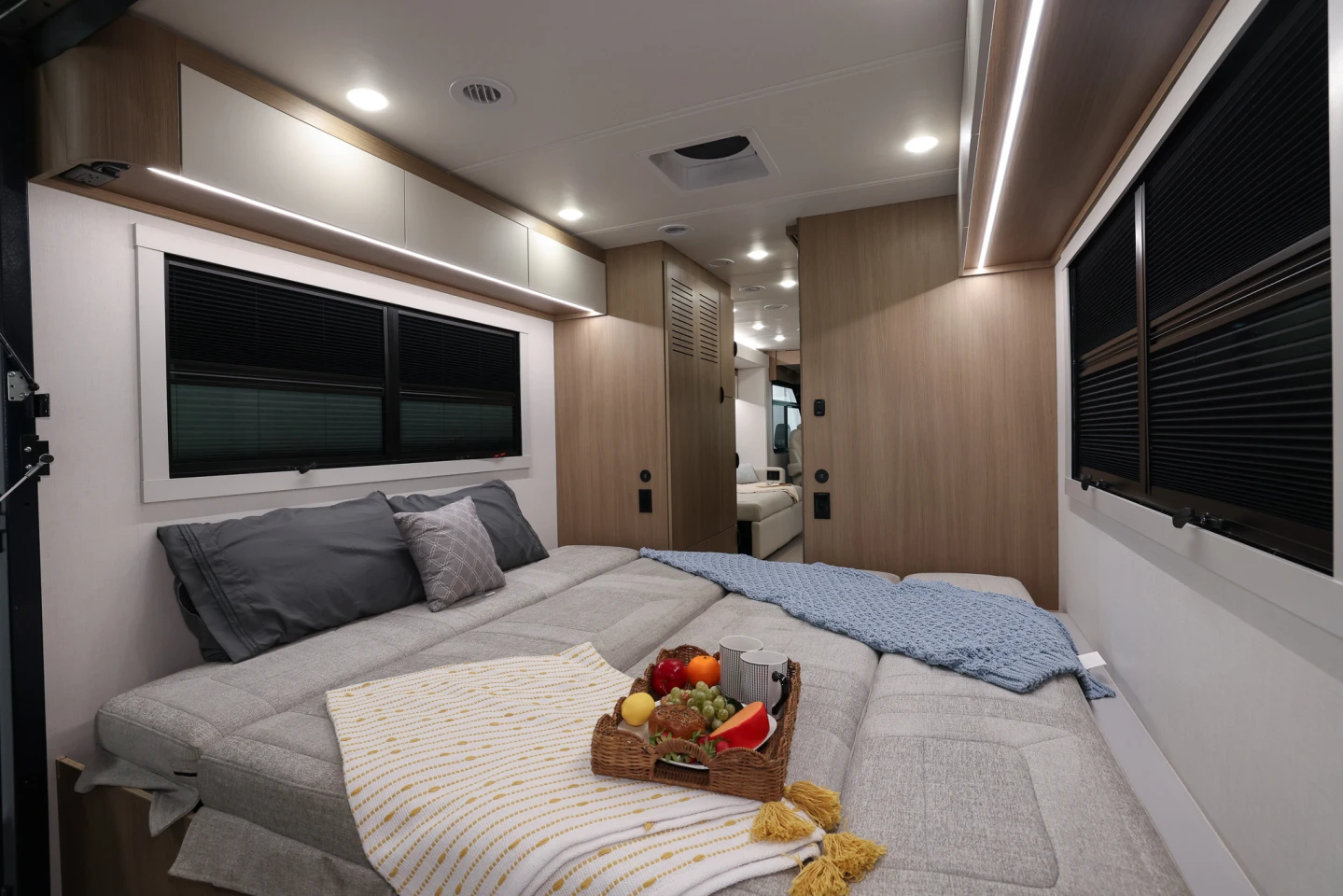
The two sofas combine into one after a little cushion rearrangement, serving as the third double bed. The total six-person sleeping capacity provides a versatile platform for families and groups.
While we'd call the deck and rear lounge the Origin's best all-around camping features, the vessel's best styling element is its exterior design. Coachmen foregoes the usual outdated long, horizontal slashes, squiggles and bright random shapes against neutral paint still way too common across the industry for a gorgeous deep blue base accented around the rear side windows by a series of vertical curvy stripes. We suppose dropping those parallel curves and just leaving the underlined model name might be closer to the kind of understated European look it was going for, but we like the 3D-like depth the striped pattern adds.
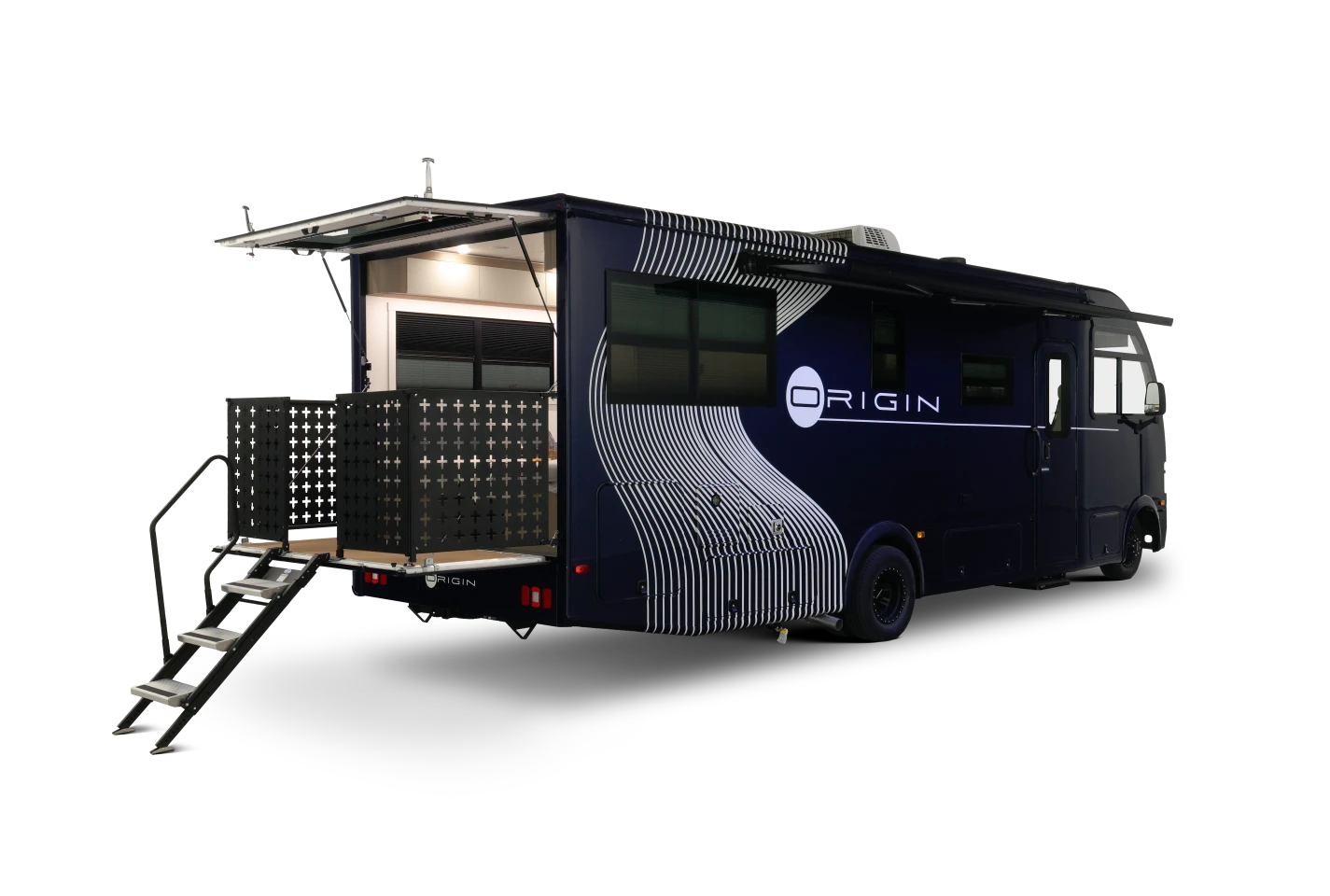
All in all, the Origin looks like a refreshing motorhome design for the American market, and while it's not quite ready to go yet, Coachmen is planning on adding it to its lineup. It says it's saving launch dates and more detailed specs for a future announcement but does note that it's targeting a base price of US$150,000.
Source: Coachmen


