
Sensory
-
 The narwhal's defining feature – its continuously growing tusk – is the only straight structure of its kind seen in the animal kingdom. Now, scientists have cracked the code on how these elusive Arctic whales grow such an important and unique tool.
 -
 Researchers have developed an electronic skin that allows humanoid robots to distinguish everyday touch from damaging force. That ability, once reserved for living nervous systems, could reshape how robots interact with the physical world and with humans.
 -
 In order for robots to operate safely around humans, they need to see that people are approaching and they need to know when they make physical contact with those people. A new system allows them to do both, using cameras located inside their arms.
 -
 VR is incredibly immersive for sight and sound, touch can be done, and even smell is starting to appear. That just leaves one sense – and whether or not anyone actually wants to taste virtual worlds, a new device is now tackling that final frontier.
 -
 Some people feel that their food isn't quite tasty enough unless it had added salt, sugar or MSG. The SpoonTEK spoon offers a healthier alternative, as it reportedly boosts the perceived flavor of foods by harmlessly zapping its user's tastebuds.
 -
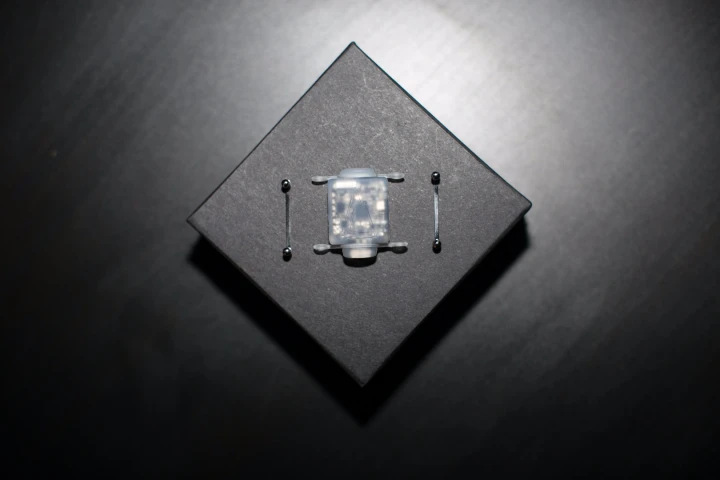 There’s a whole world out there full of things we have no idea about – different types of radiation, sounds, and colors - and a new body sensor called the North Sense is here to help you experience a part of this augmented reality.
 -
 Naturally the logical thing to do when you're thirsty is to have something to drink, but some drinks are more thirst-quenching than others.
 -
 Hoping to add back a bit of personal touch to today's cold, impersonal digital communications, New Jersey-based startup Tactonics thinks the world might just get hooked on "tact" messaging.
 -
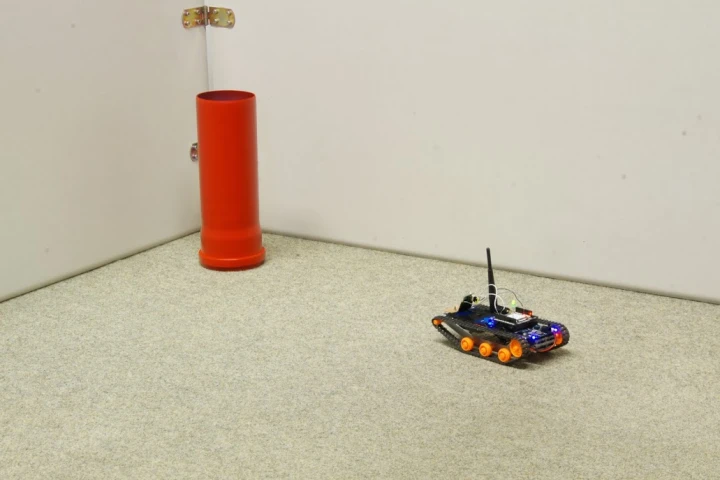 Autonomous micro air vehicles have to be capable of identifying objects in their environment, and reacting accordingly – much like bees do. Well, thanks to research recently conducted in Berlin, that may soon be possible.
 -
 Today is Thanksgiving Day in the United States, a holiday in which we celebrate the blessings granted by Life, the Universe, and Everything. It may soon be possible to enjoy such a repast as a character in a movie or a video game, aided by a new method for digitally actuating the sense of taste.
 -
 A pair of concept pieces developed by students and the Royal College of Arts in London allow wearers to fine tune their senses of sight and hearing.
 -
 A vibrating helmet that uses ultrasound to detect walls and other obstacles is being designed to help guide firefighters through smoke-filled rooms.
Load More