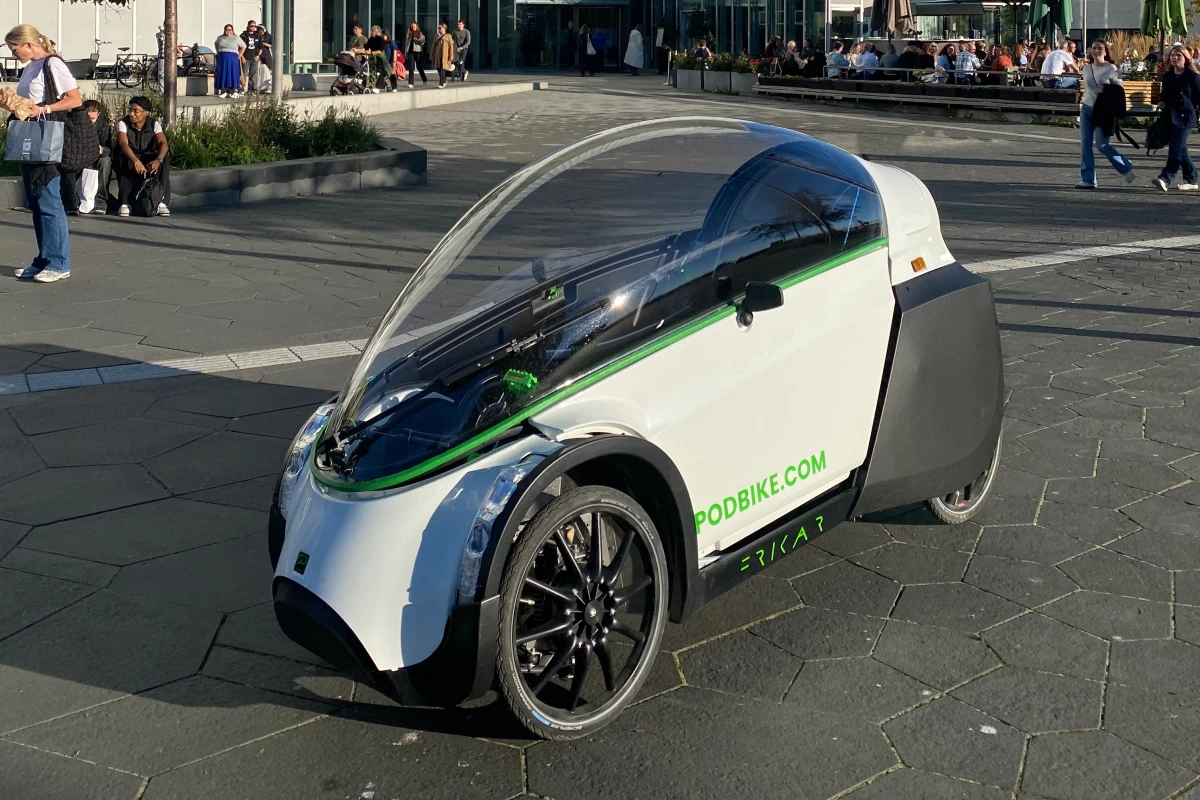
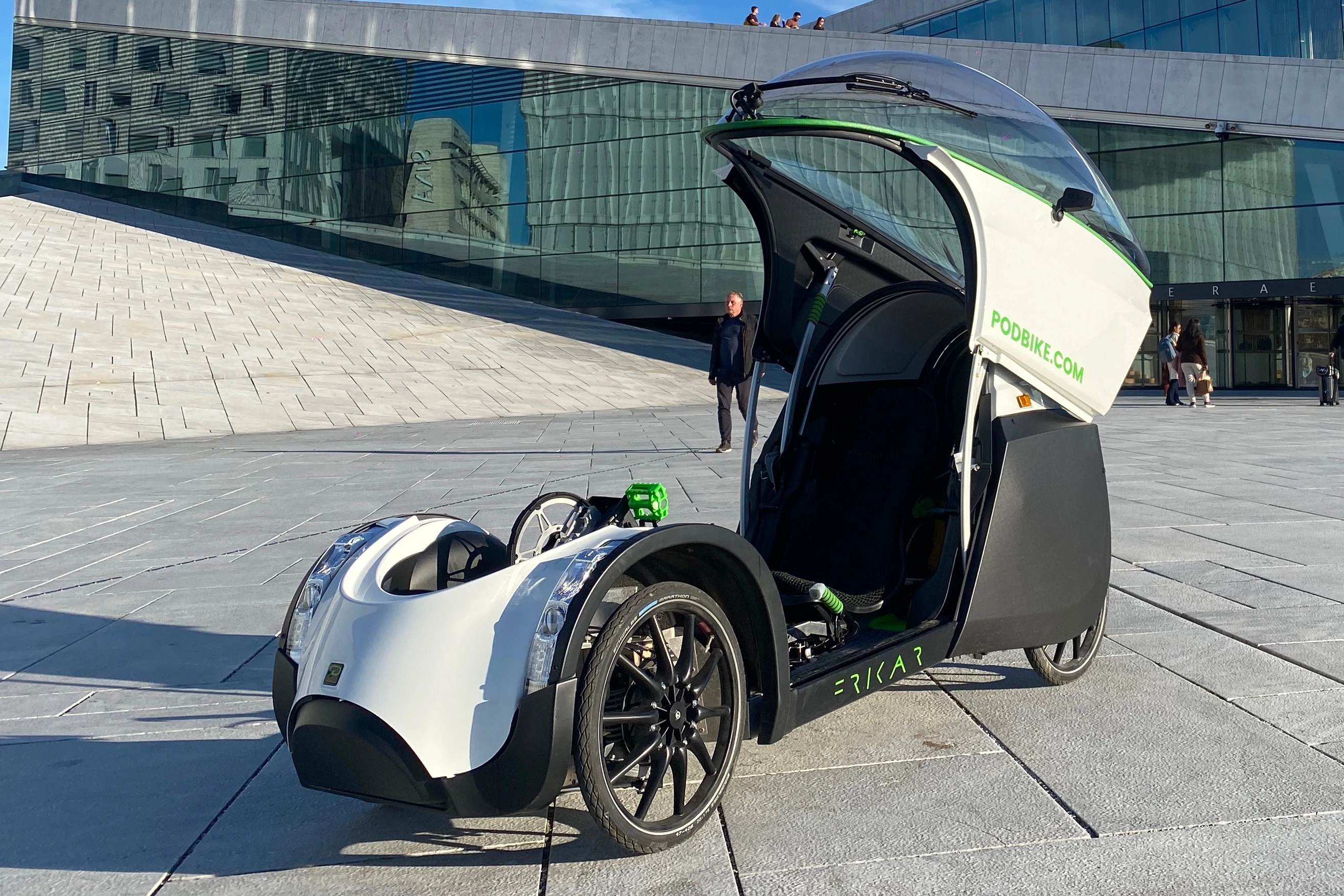
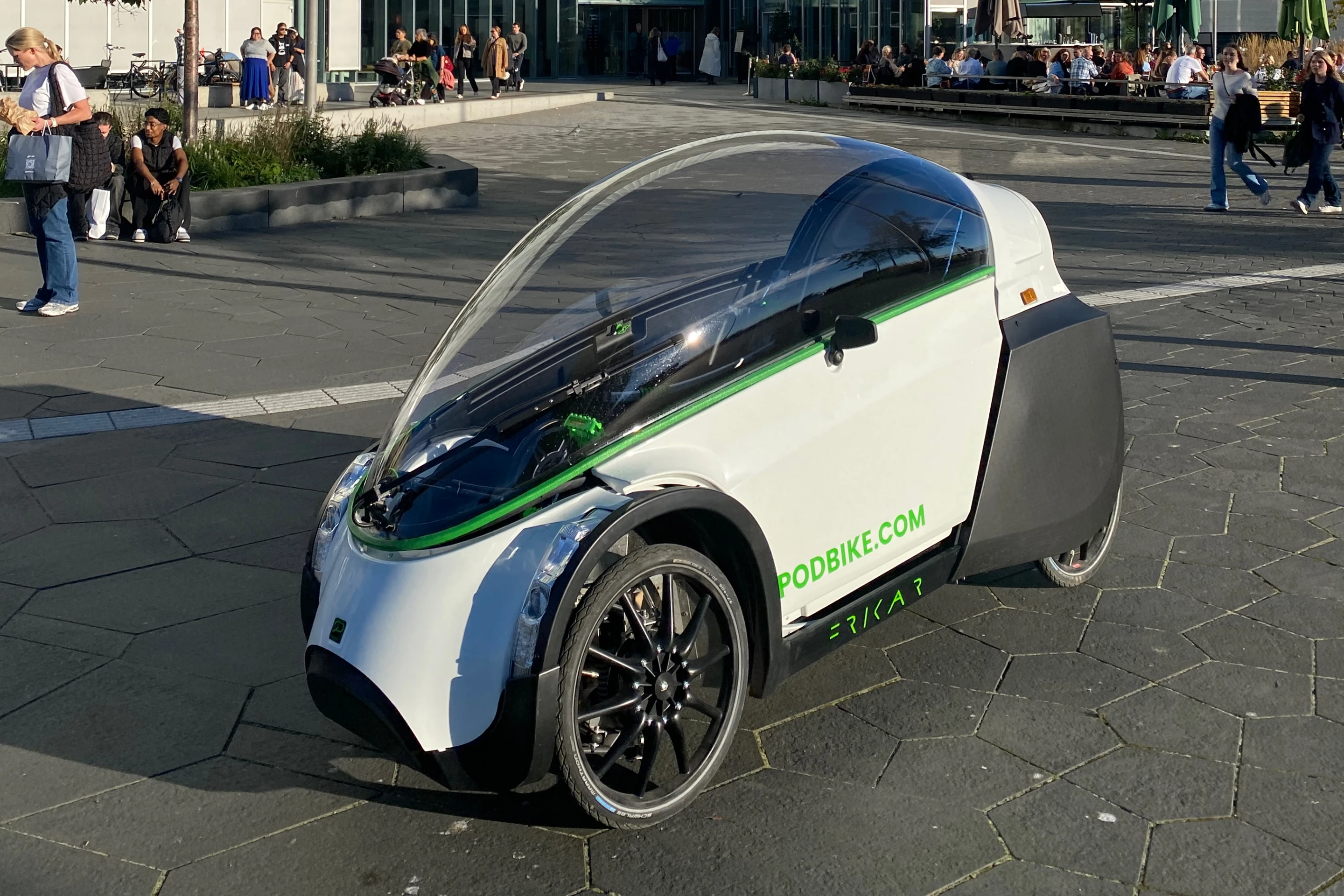



Whether you call it a velomobile or a quadcycle, the Frikar was certainly one of the most compelling pedal-electric vehicles to come our way in the past several years. And although its maker went bankrupt last year, the bike is now set to ride again – as the TwoZero Classic.
We initially set eyes upon the Frikar back in 2018, when a physical prototype of the fully-enclosed, electric-assist four-wheeler was revealed to the public for the first time. It was created by Norwegian firm Elpedal, and was being commercialized by spinoff company Podbike. The vehicle was likewise known as the Podbike until late in its existence.
While the Frikar did have pedals, it didn't have a chain or a full belt drive. Instead, the pedals were linked directly to a generator.
As the rider pedaled, the power that they generated was electrically transferred to a couple of motors – one for each of the rear wheels. A removable battery pack added some additional power, making an electronically-limited top speed of 25 km/h (16 mph) possible.
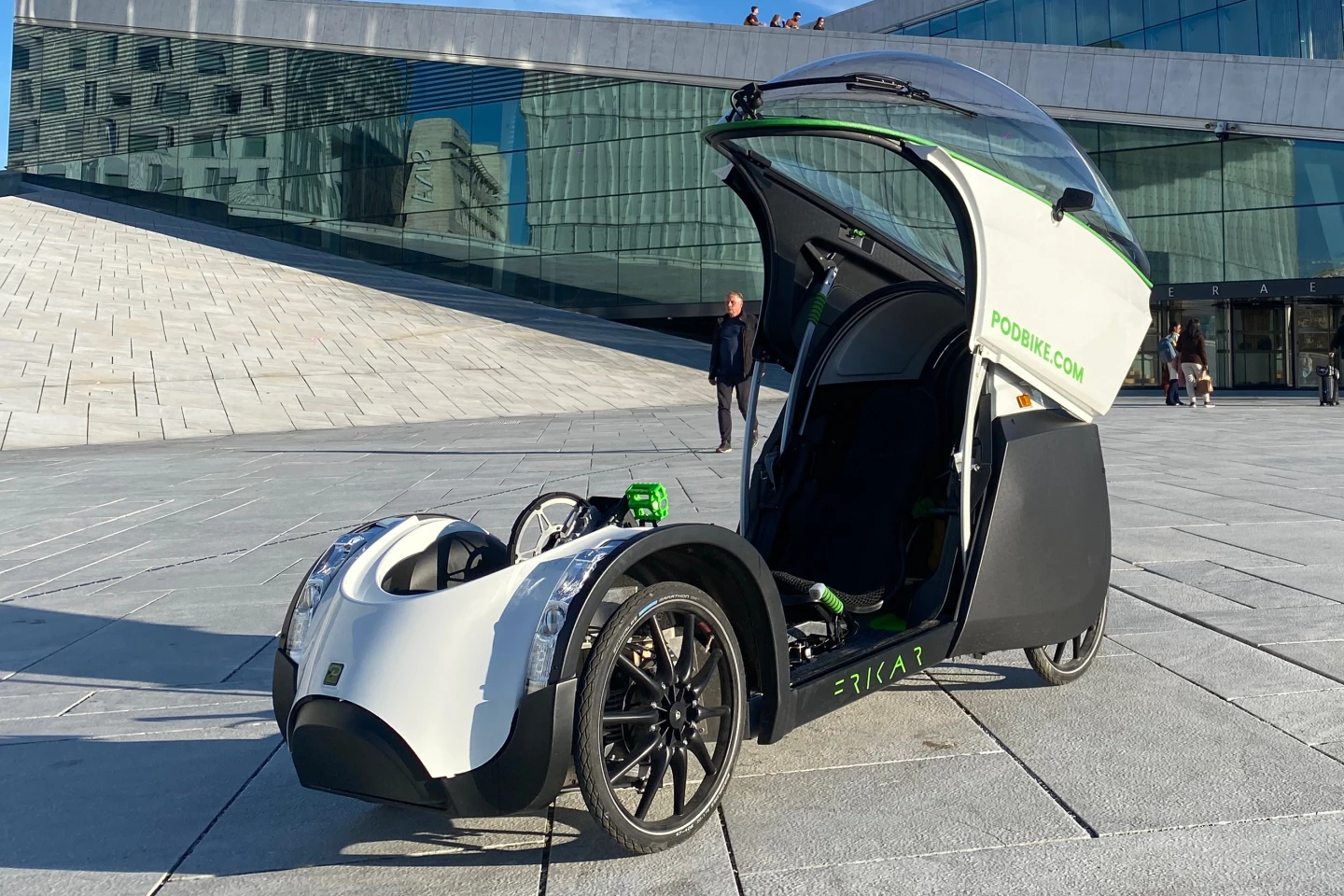
Range sat at an estimated 60 km (37 miles) for one battery, although there was room for multiple batteries for extended range. The vehicle accommodated one adult rider, with space for 160 liters of cargo or an optional child seat behind the main seat.
The whole thing was claimed to tip the scales at 100 kg (220.5 lb), and could manage a maximum rider/child/cargo load of 230 kg (507 lb). No driver's license or vehicle registration was required.
Some of the Frikar's other features included a full lighting system with turn indicators; a windshield wiper and interior defogger fan; dual side mirrors; a carpeted cabin; plus the ability to remove the canopy in hot weather.
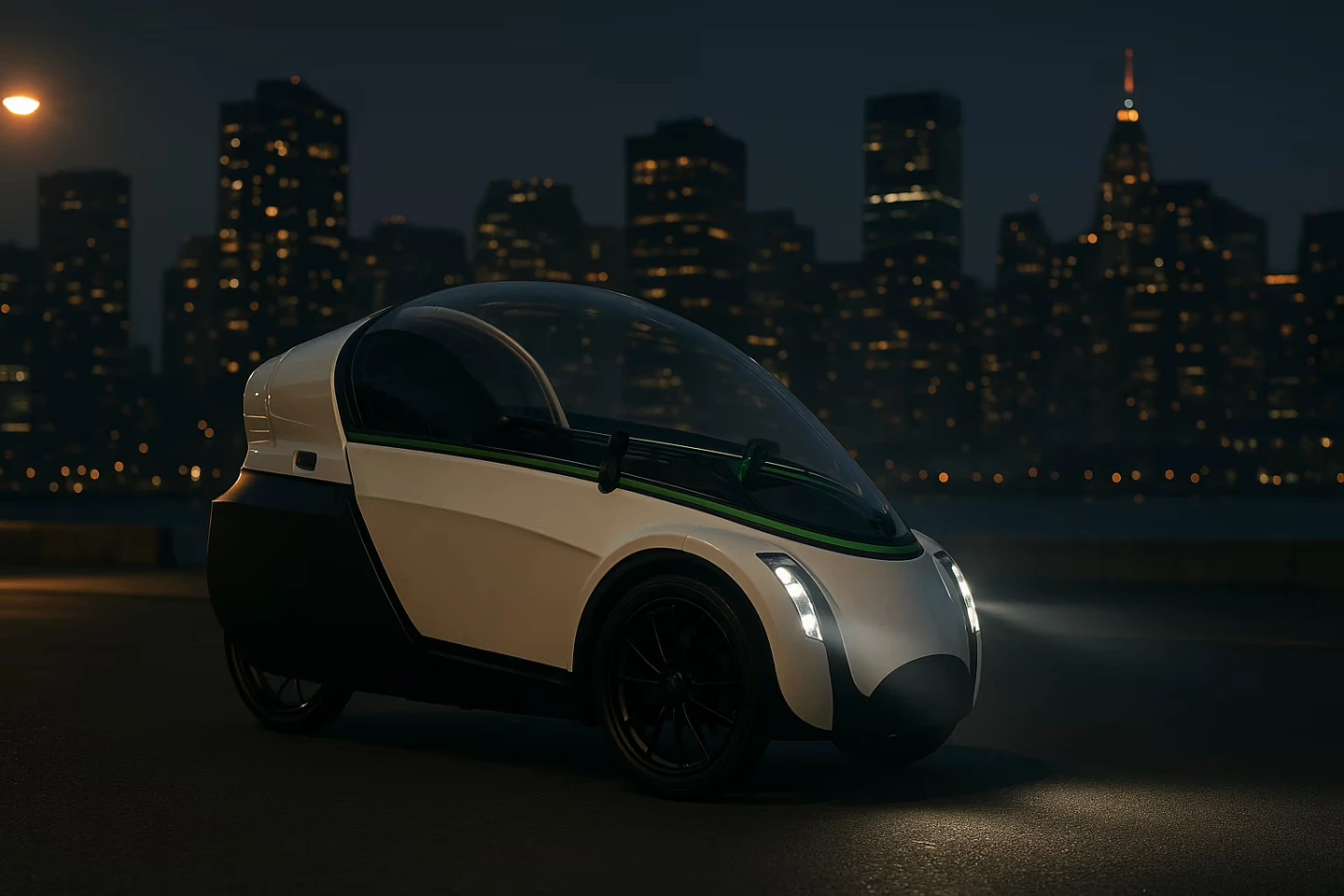
Yep, it was all pretty cool, but last May Podbike announced that it was filing for bankruptcy.
"Increasing production costs, supply chain disruptions, and the global economic slowdown have contributed to sales being lower than anticipated and mounting operational expenses," the company stated at the time. "Efforts to secure additional funding through investment rounds and partnerships proved insufficient to bridge the financial gap."
Well, unrelated Norwegian firm Phase Energy has now stepped in and taken over Podbike's assets. It has rebranded the Frikar as the TwoZero Classic, and has just launched a Kickstarter campaign to fund a limited production run of 180 units. They'll be pretty much identical to the previous Frikar bikes, although they will feature an updated electrical system.
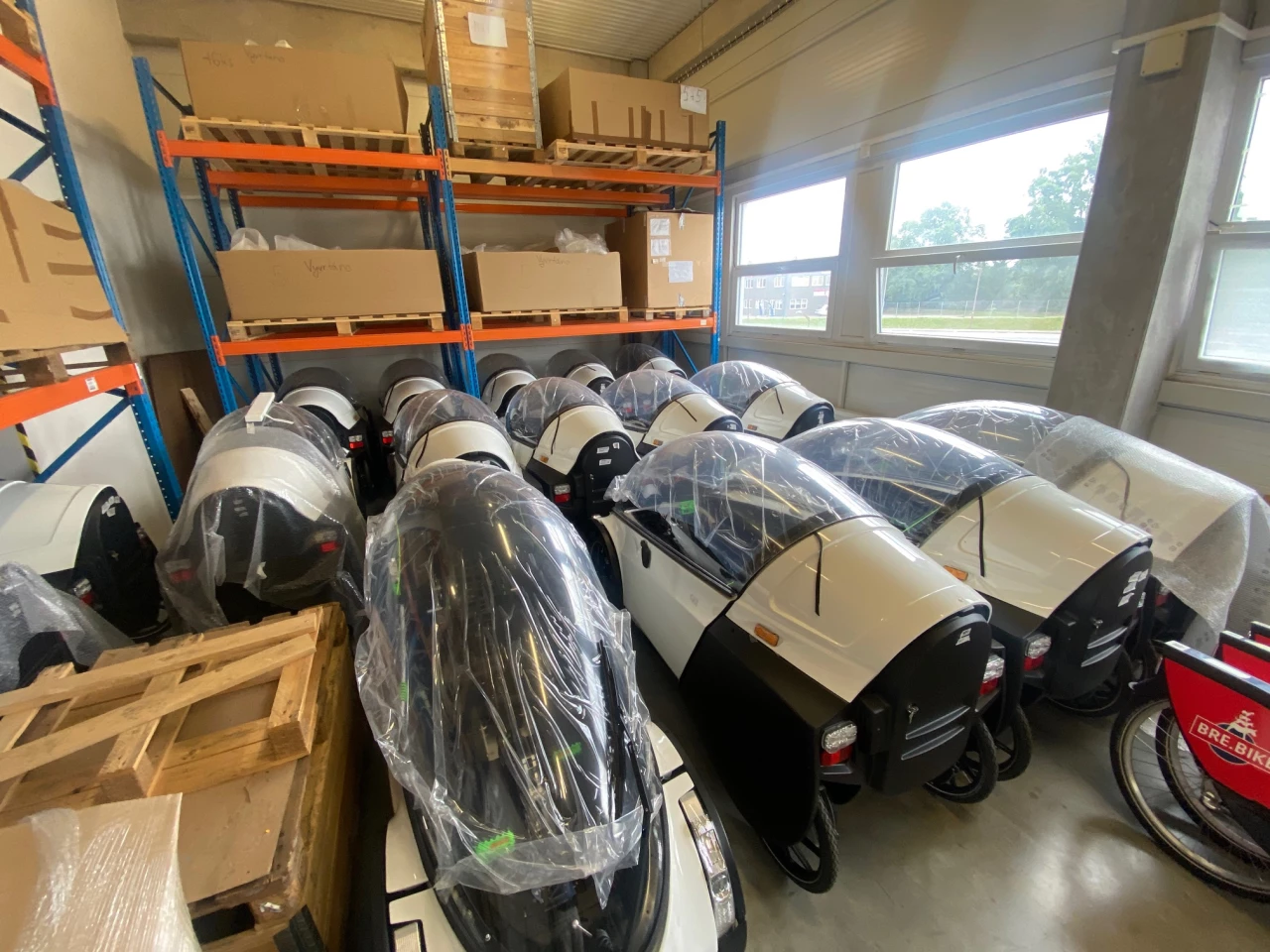
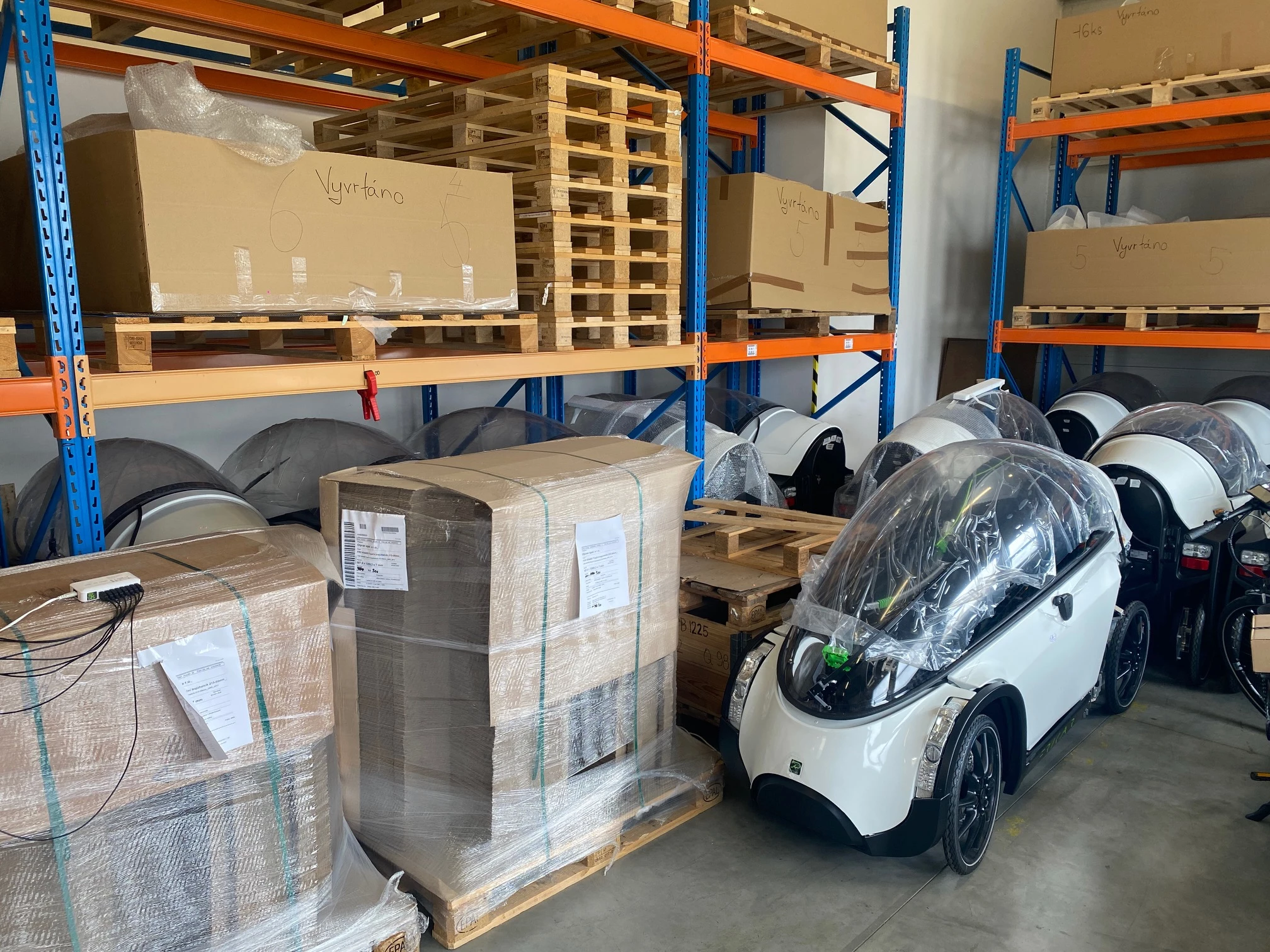
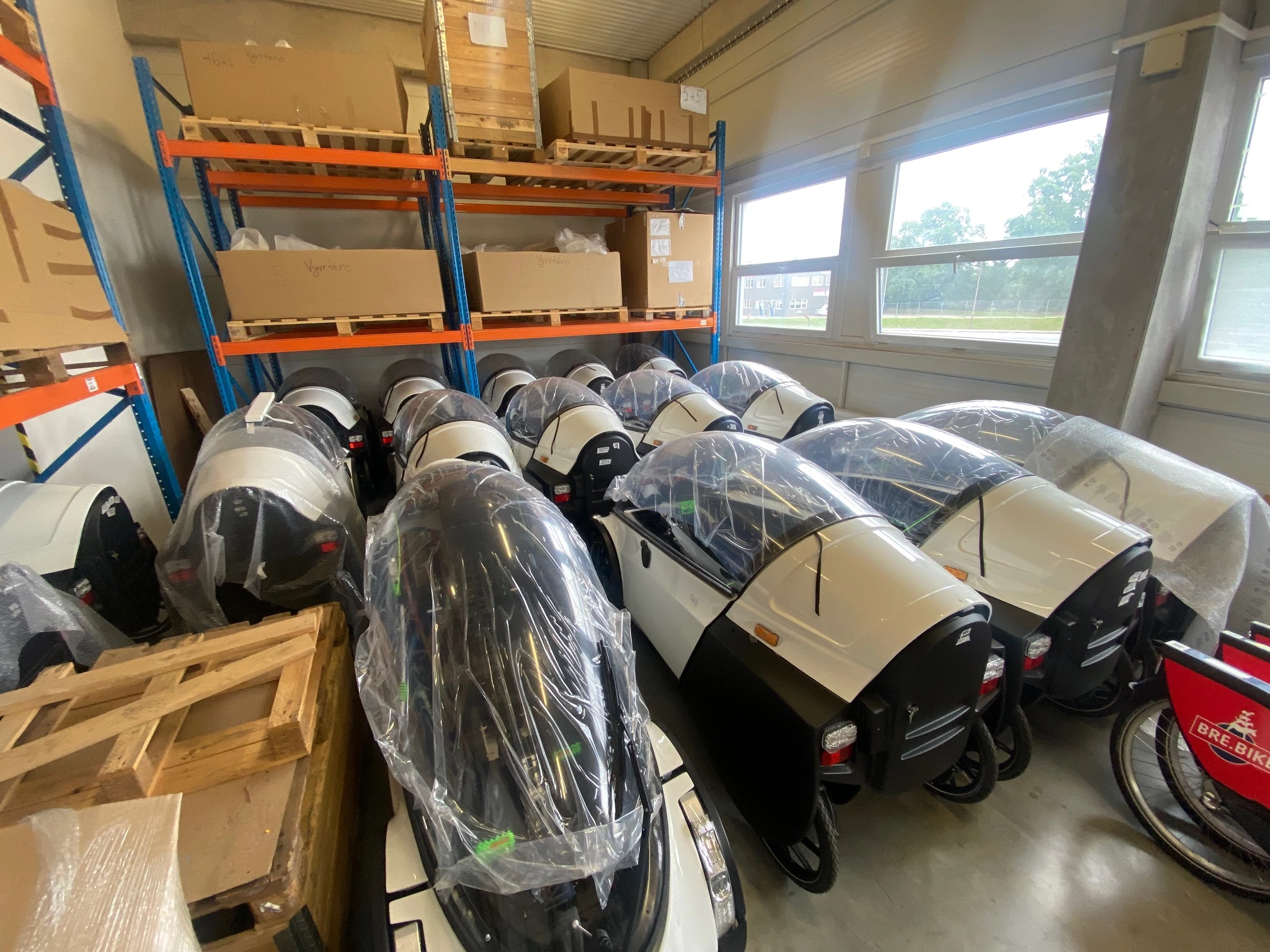
Plans call for Phase Energy to start by shipping 20 Classics that are already assembled and ready to go, which were left over from the Podbike days. The company will then assemble another 160 units at a facility in the Czech Republic – mostly from parts that are already in stock – and ship those to buyers, after which it will permanently cease production of the Classic.
"[Podbike's] biggest problem was that they presold bikes at €6,500 each but ended up with a production cost of over €9,000 each," Phase Energy founder and CEO Erik Solberg tells us. "That truly explains why they simply could not fulfill those orders. Which of course left many angry customers who had paid either in full or partly for their bikes."
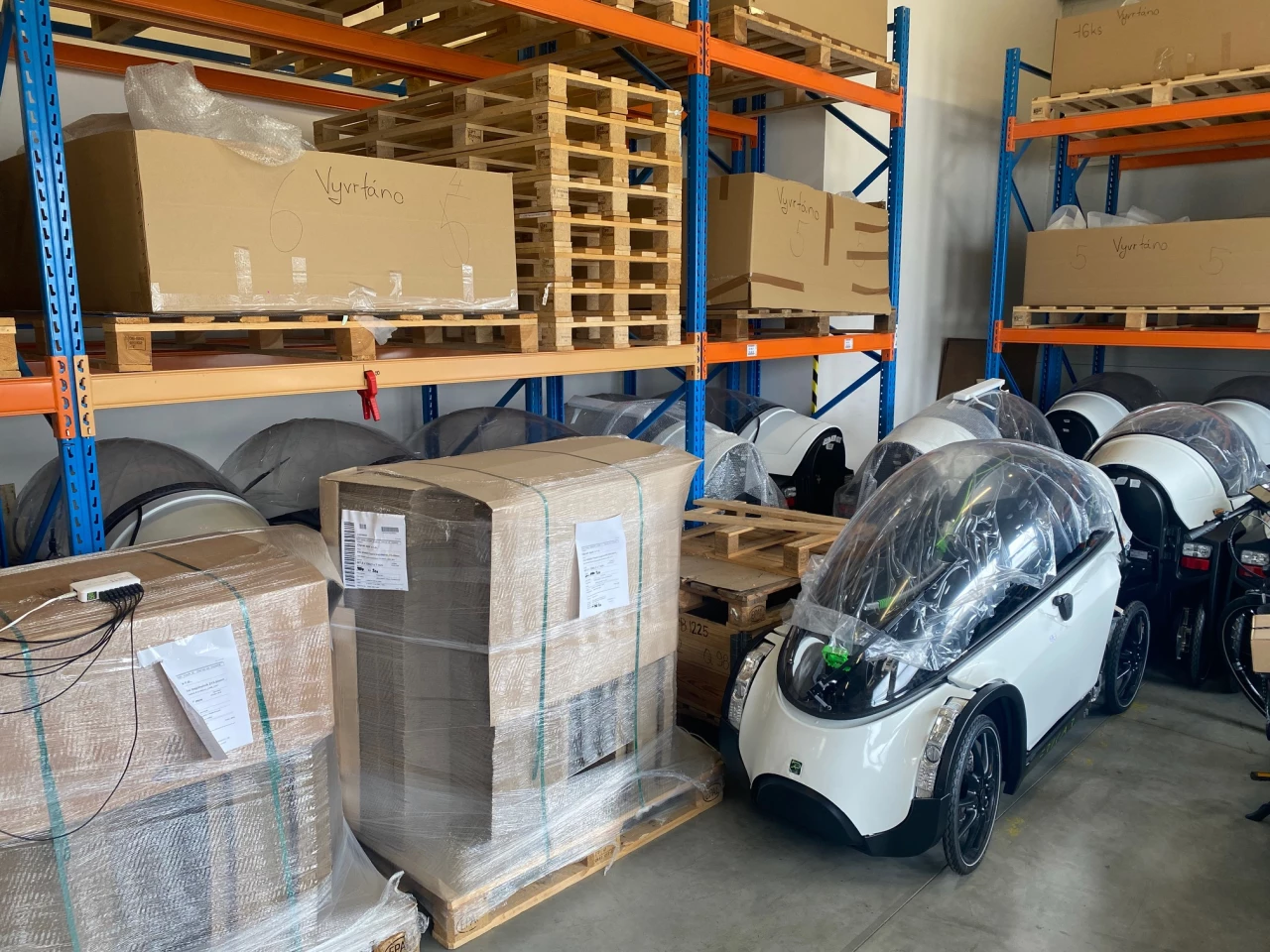
If everything works out, a pledge of 79,900 Norwegian krone (about US$8,172) will get you a TwoZero Classic of your own, although you'll have to buy the battery and charger separately – plus you'll have to pay for shipping from Norway. The first 20 units should ship as early as March, with the other 160 slated for delivery in June. That said, potential backers should first check if quadcycles are street-legal where they live.
This is apparently just the beginning of the TwoZero story, however. Solberg says that the 2027 lineup will feature a unified chassis that will support 15 new models.

Five of those, to be launched next year, will be single-passenger vehicles below 85 cm (33. 5 inches) in width, which will be classified as EPACs (Electrically Power-Assisted Cycles) or pedal assisted bicycles like the Classic. They'll be limited to a top electric-assist speed of 20 mph (32 km/h) in North America and 15.5 mph (25 km/h) in the rest of the world, and won't require a driver's license or vehicle registration.
The other 10 models, to be launched in 2028, will be classified as mopeds and light motorcycles. They will be throttle-only (non-pedaled) vehicles that seat two passengers in front, capable of a top speed of 80 km/h (50 mph) – and yes, they will require a license and registration.

Additionally, plans call for all 15 models to be available in Sport, SUV, Pickup and Cargo configurations. Solberg estimates that pricing for the EPAC Sport and SUV will be around €7,500 and €8,500 (US$8,905 and $10,092), respectively.
"We are in the discussions with investors and plan to complete funding for the TwoZero before May 2026," he informs us.
Watch this space for further updates.
Sources: Kickstarter, TwoZero