






It’s tricky business to upgrade a car nowadays. In the SUV space alone, you’ve got micro SUVs, subcompact SUVs, compact SUVs, midsize SUVs, and full-size SUVs. And now, there are electric and hybrid segments to add to the clutter as well.
The Hyundai Tucson has traditionally been classified as a compact SUV. However, the next-generation model isn't just packed with cutting-edge tech, it is also noticeably longer, wider, and taller than its predecessor. So much so that it hardly feels like a "compact" car anymore.
But that’s not necessarily a bad thing, especially by Western standards. In today's market, bigger often means better: a bit of extra sheet metal, generous cabin room, and a commandingly beefier road presence can be just as compelling as extra horsepower. That appears to be precisely what Hyundai aimed for – making the Tucson feel like a class above without pushing it into cumbersome territory.
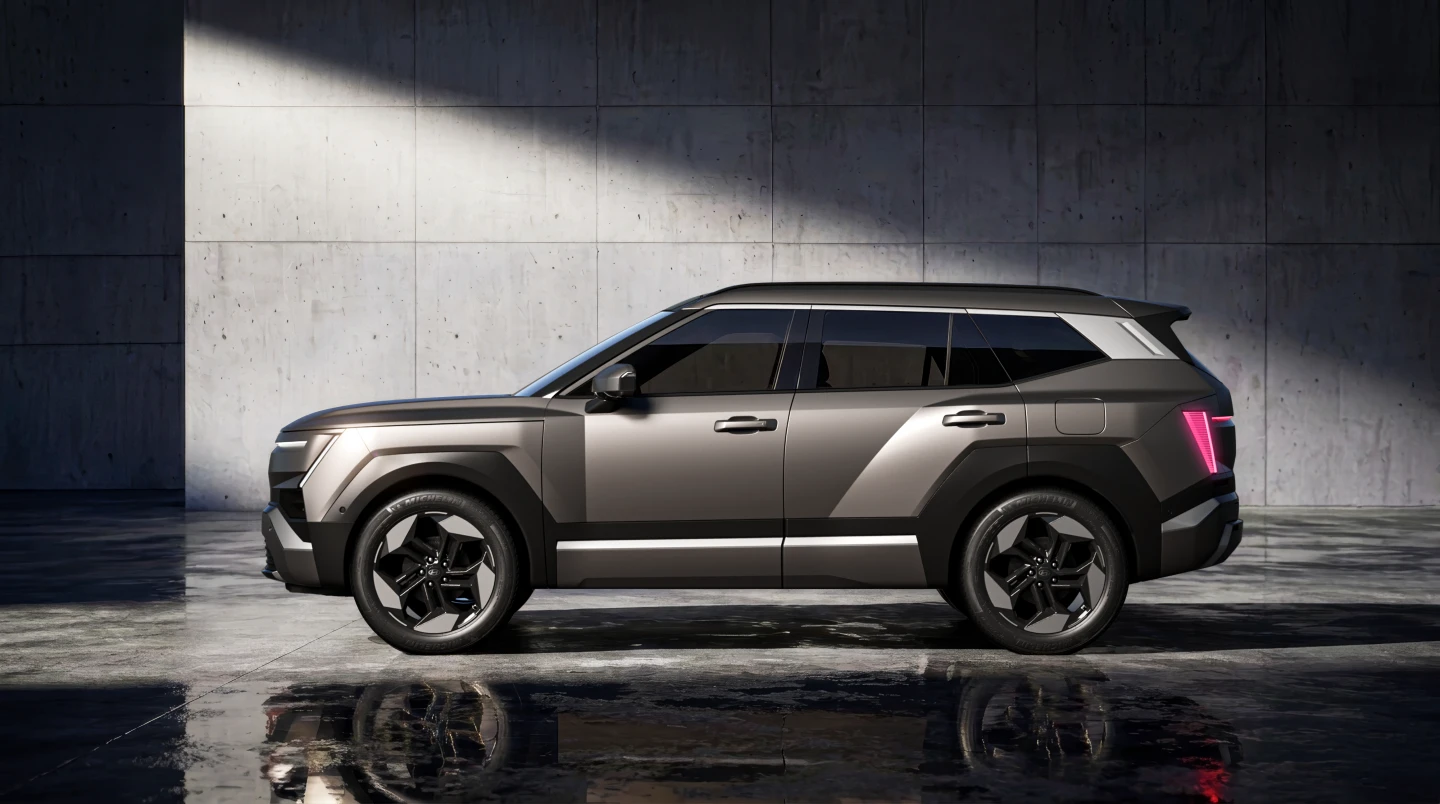
Right off the bat, the new design is extremely boxy. Out goes the soft, organic shaping of the previous generation, replaced by a far more upright, chiseled, and flat-roofed profile. You get full-width LED lighting strips front and rear, prominent lower body cladding, and sculpted fender flares riding high on the beltline.
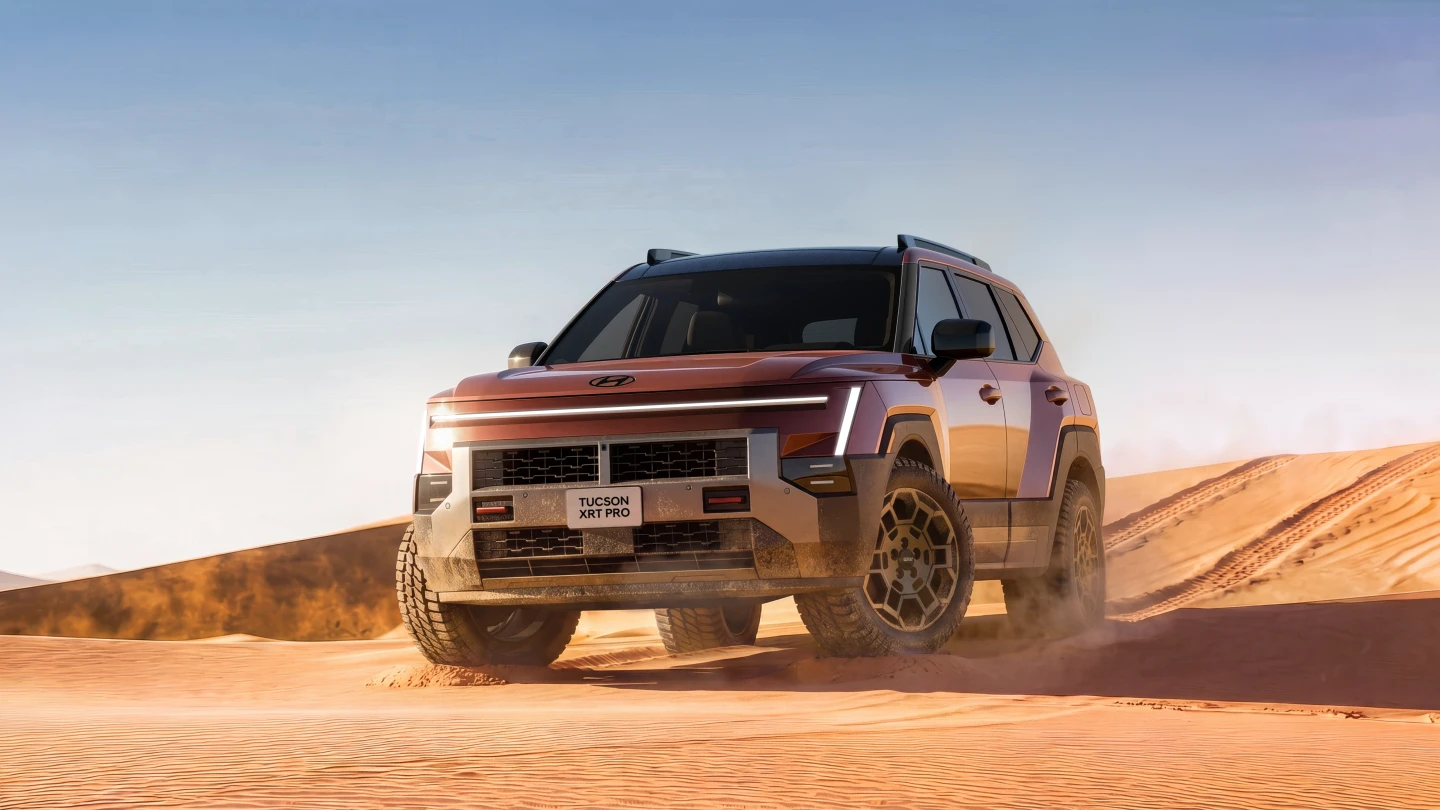
Overall length increases by 2.3 inches (5.8 cm) to 185 inches (469.9 cm), with half of that gain going into the wheelbase, now measuring 109.6 inches (278.4 cm). Width expands by 1.57 inches (4 cm) to 75 inches (190.5 cm), while height increases by 0.8 inches (2 cm) to 66.3 inches (168.4 cm).
Despite its angular silhouette, a raked windshield and aerodynamically optimized wheels help maintain efficiency. Hyundai targets up to 42 mpg (5.6 L/100 km) for the updated hybrid model.
Under the hood, buyers will have access to multiple powertrain choices depending on the region. The standard gas model features a 1.6-liter turbocharged four-cylinder engine making 184 horsepower and fuel efficiency up to 28 mpg (8.4 L/100 km). The mainstream hybrid pairs that same engine with an electric motor for a combined 233 horsepower. Globally, a plug-in hybrid (PHEV) variant yields 288 horsepower and an estimated 50 miles (80 km) of all-electric range, though the PHEV powertrain will not be offered in North America.
An eight-speed automatic transmission with two- or four-wheel drive comes as standard. As for the fastest of the three, it's the Tucson PHEV, which can reach 60 mph (97 km/h) in 7.9 seconds. Second is the hybrid that takes 8.5 seconds, while the normal gas trim takes 9.5 seconds for that sprint.
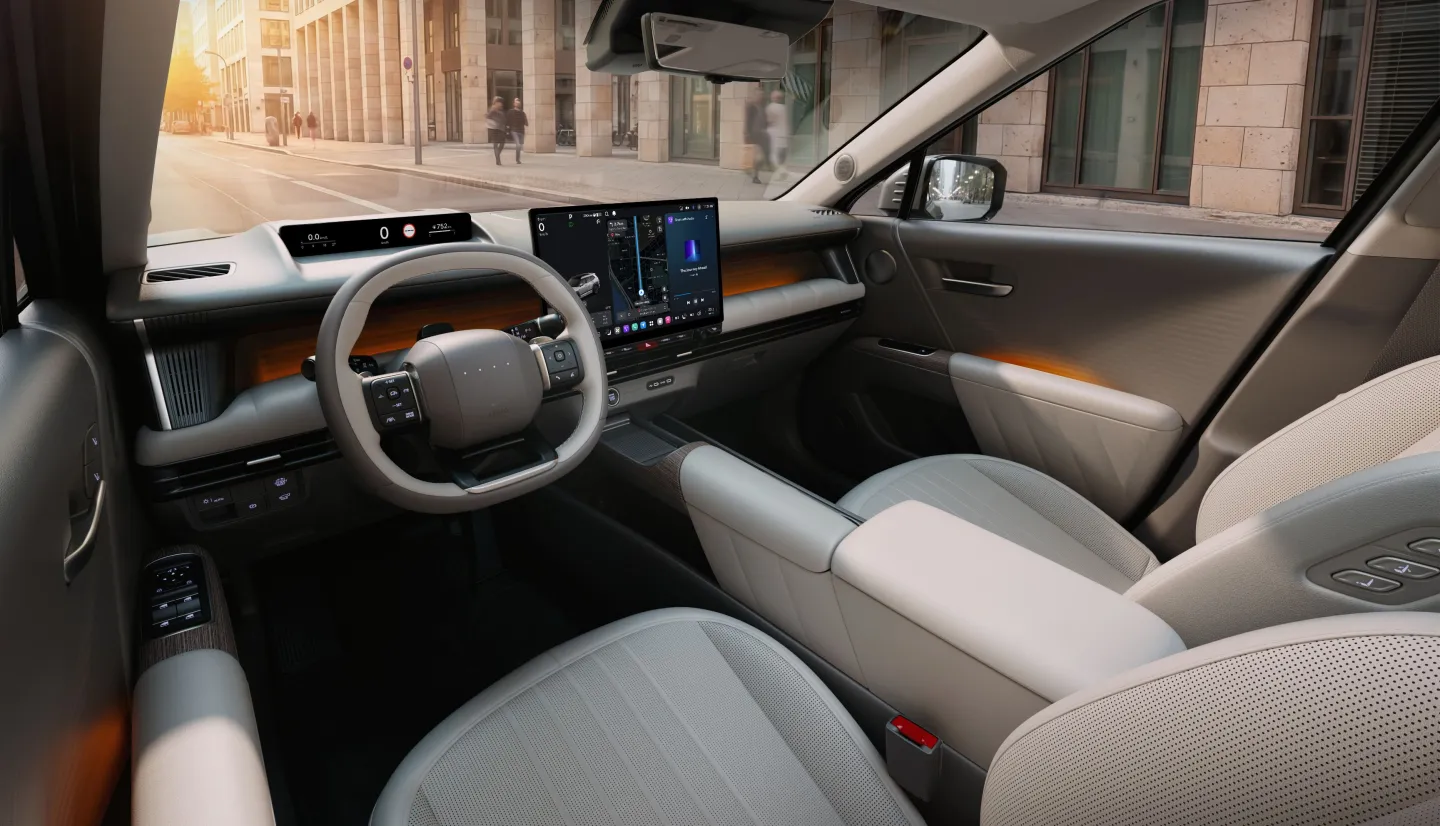
Step inside, and Hyundai’s interior redesign truly shines. The cabin feels less like a traditional crossover and more like a thoughtfully tailored lounge, featuring padded surfaces across the dashboard, door panels, and center console.
The horizontal two-layer dashboard integrates a deep storage tray underneath and pairs with a distinctive double-D-cut steering wheel. At the center sits the new Android Automotive-based Pleos Connect infotainment system, available with either a 12.9-inch or a massive 17-inch touchscreen. A dedicated 9.9-inch Slim Information Display sits above the steering column, while Gleo AI provides conversational, natural-language voice controls. Crucially, Hyundai avoided an all-touch interface by retaining physical buttons for primary climate and audio controls.
Rounding out the cabin are dual wireless charging pads, a column-mounted electronic gear selector, and available massaging front seats – a clear push to bring luxury-tier amenities into a mainstream family vehicle. Just bear in mind that display sizes and some of the more high-end features will vary by market and trim.
Hyundai has yet to announce official US pricing, with the 2027 Tucson expected in American showrooms in early 2027. Given the larger footprint and tech overhaul, expect a slight bump over the outgoing model's starting prices, which start at US$29,700, while the Tucson Hybrid begins at $31,300, before destination charges and depending on the pricing basis.
Expect the new model's larger dimensions, upgraded tech, and expanded feature list to influence where it lands, but we'll have to wait for Hyundai to reveal the official numbers before knowing just how much extra it'll cost to bring home this boxy new family hauler.
“It looks like a rejigged Venue,” said my wife. I slapped my forehead as soon as I heard it. But it gave me a unique point of view from someone who isn’t knee-deep in cars. The Tucson, to many people, would still feel familiar.
Of course, it isn't playing in an empty parking lot. The compact SUV segment is packed with formidable offerings like the Honda CR-V, Toyota RAV4, Kia Sportage, and Subaru Forester, with the Volkswagen Tiguan also making a strong case for itself. These are the sort of family haulers buyers tend to cross-shop for rather than fall blindly in love with, so styling and a flashy cabin alone won't cut it.
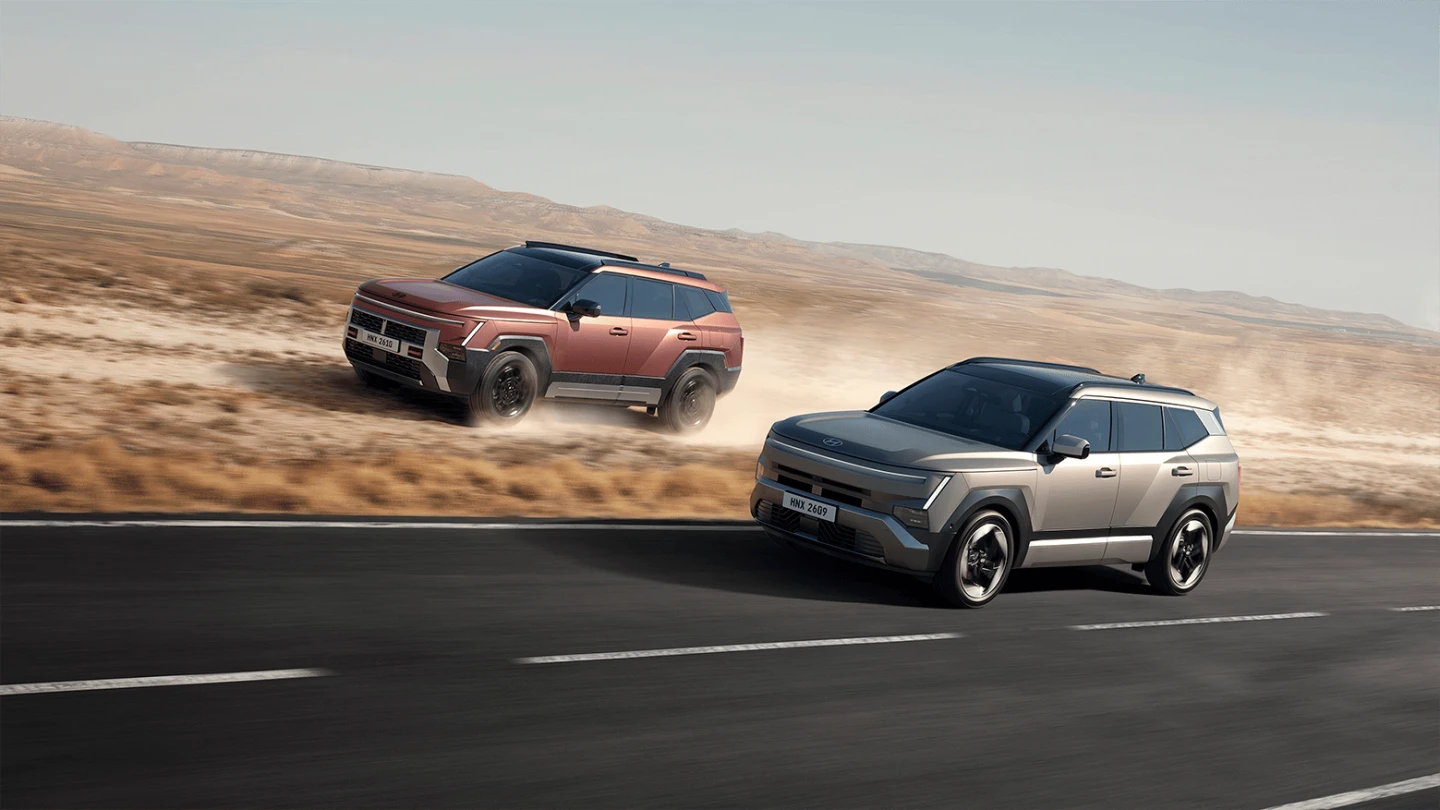
Hyundai has looked at the compact SUV segment and decided against playing it safe. It's bigger, boxier, more tech-laden, and considerably more imposing than before.
Whether that's progress or just another case of SUVs developing a serious case of main-character syndrome is up for debate. But I can't deny that there's something refreshing about a company willing to give one of its best-sellers this much personality.
Source: Hyundai


